Duration
6 Days


 Unbeatable Holiday Offers - Save Up to 20% on Your Next Adventure!

Duration
6 Days
Trip Difficulty
Easy
Max. Altitude
3690 Metres
Group Size
2-12 People
Best Season
Mar-May, Sep-Nov
Transportation
Jeep
Accommodation
Teahouse
Meals
Breakfast, Lunch and Dinner
Helambu Trek 6 Days is a wonderful short Himalayan journey designed for travelers who wish to experience mountain scenery, local culture, and peaceful walking trails without the challenges of very high altitude trekking. This short Helambu trek itinerary starts close to Kathmandu, which makes it an excellent option for international travelers with limited holiday time or those who prefer to avoid long drives and flights. In a few kilometers of the capital, the Helambu region leads to the peaceful and traditional mountain universe of forests, villages, and extensive valley perspectives.
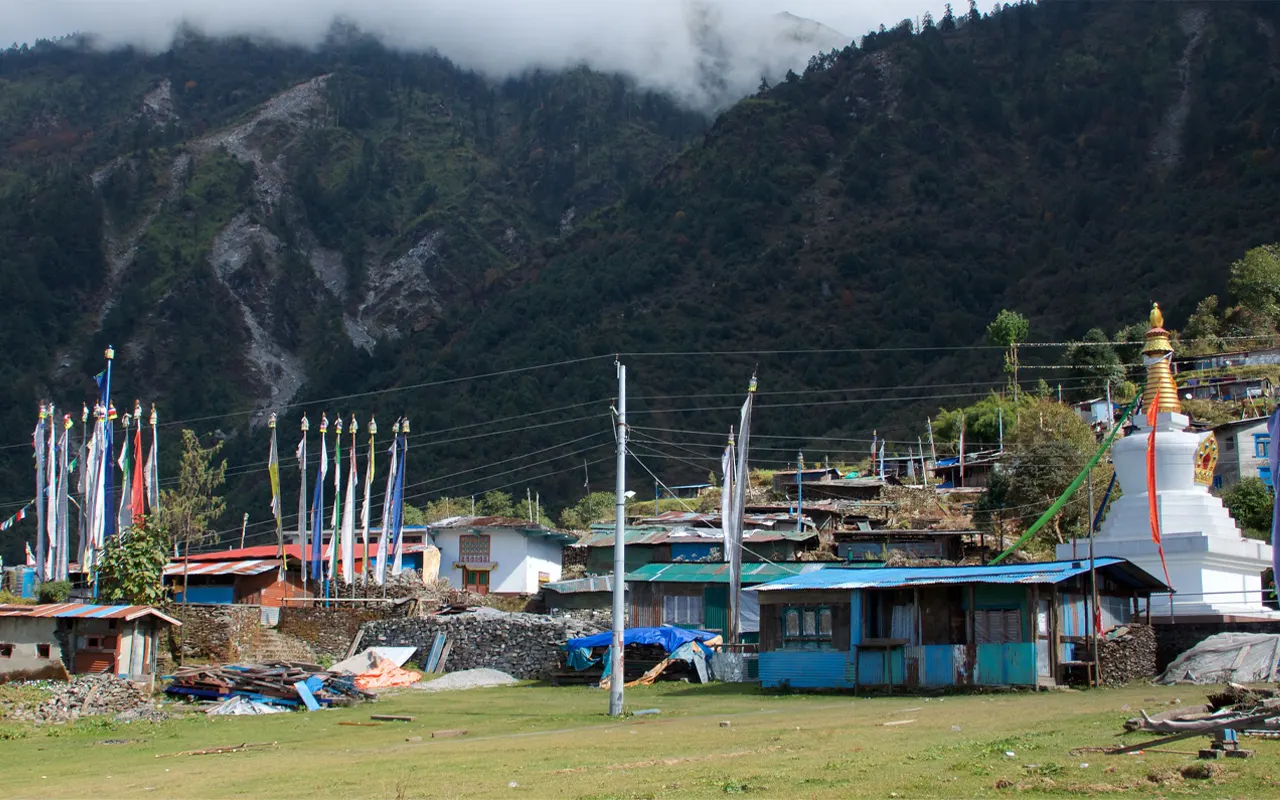
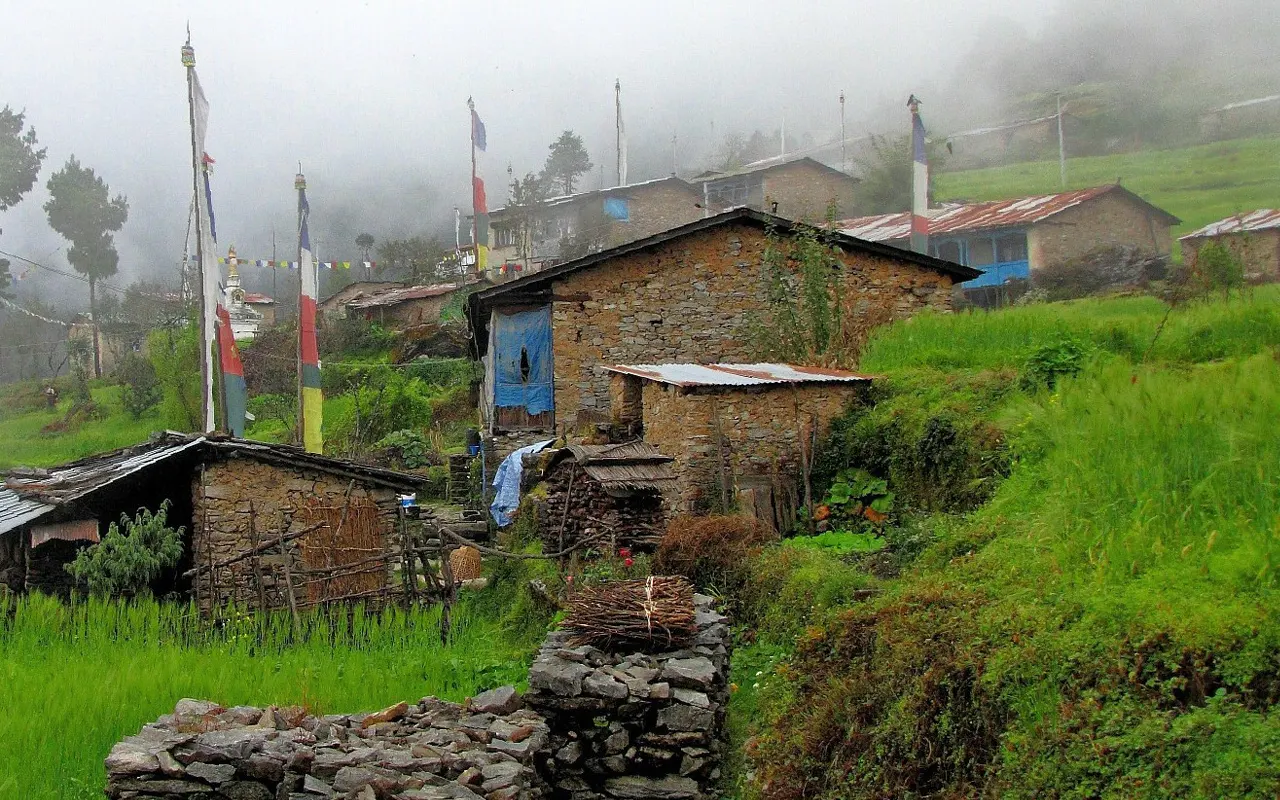
The trekkers hike through the green forests of rhododendron, pine and oak, traverse crystal clear mountain streams and are accommodated in friendly villages of Tamang and Hyolmo communities. These are the regions that have a warm hospitality, traditional houses and great Buddhist culture. On the way, you are going to see old monasteries, colorful walls of prayer and chortens which indicates the religious life of the territory. The peaceful atmosphere and slower pace of life make the Helambu trek especially rewarding for travelers seeking a cultural connection alongside nature.
The altitude on the Helambu trek ranges from around 870 meters to a maximum of approximately 3,690 meters. It is a slow increase in elevation that minimizes the chances of altitude related issues and enables trekkers to have a relaxing time. The number of walking hours is average and ranges between five and seven hours a day so the walk is not tedious and can be undertaken by beginners, families, and average fitness travelers. The trail is not associated with any technical areas and mountain passes and this contributes to its accessibility.
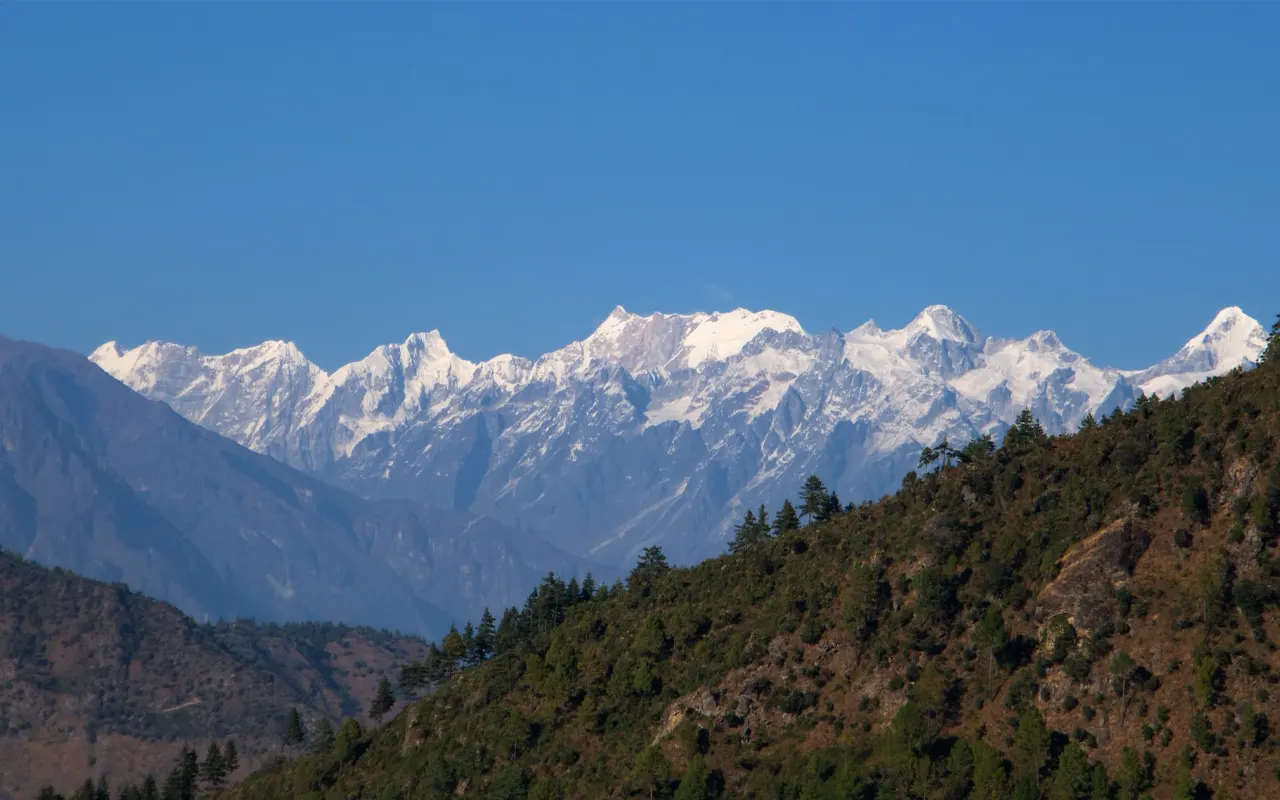
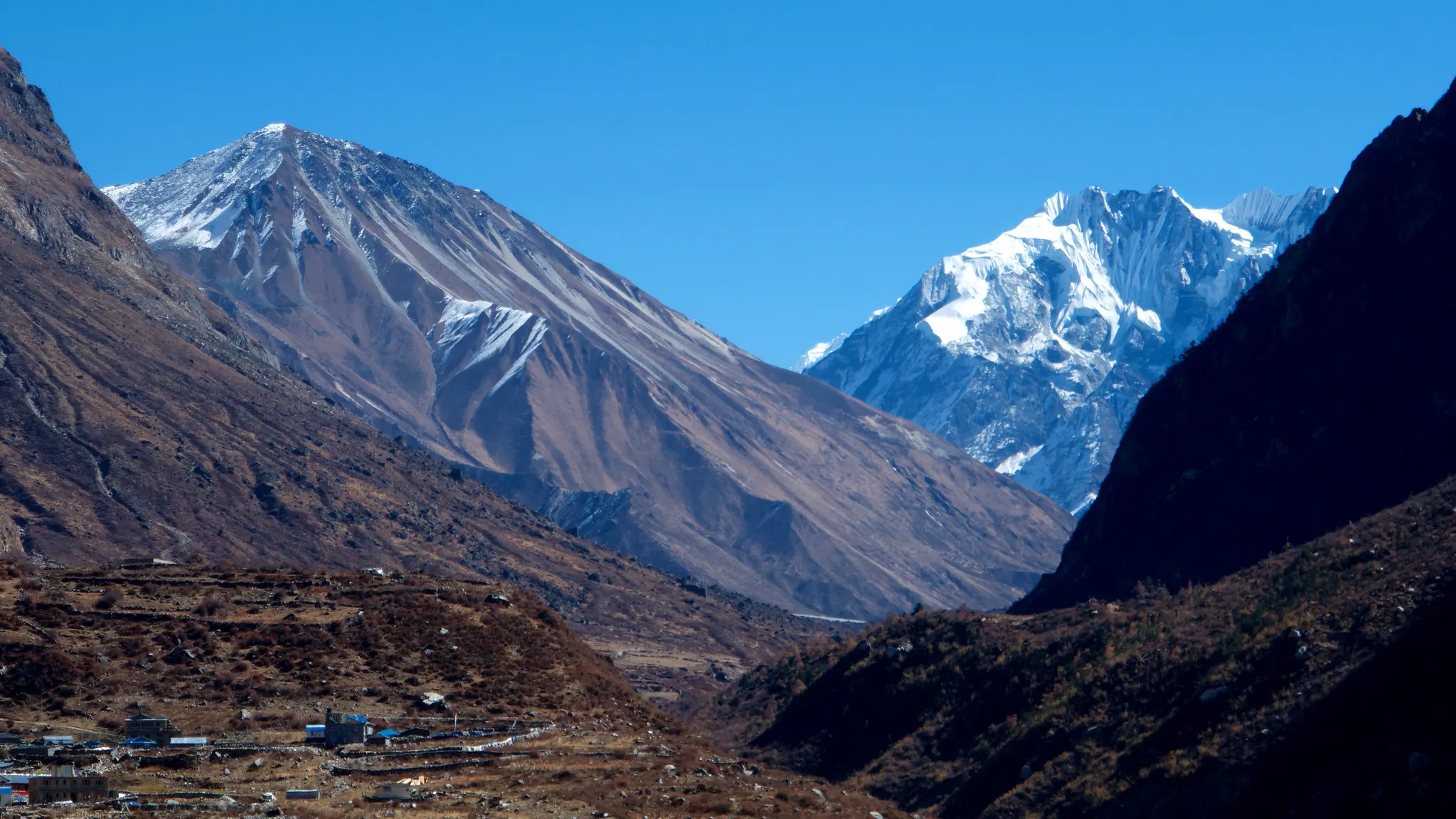
Although this is a less demanding hike, Helambu has spectacular Himalayan scenery. On clear days, trekkers are able to see Langtang Lirung, Ganesh Himal, Dorje Lakpa, and Gauri Shankar. Distant peaks may be visible only in exceptional weather conditions. The quiet trails are also another attraction in this trek. Helambu is less visited than regular trekking trails, which is why it is a more relaxing and more authentic location.
With comfortable teahouse accommodation, scenic walking days, and no need for domestic flights, the Helambu Trek 6 Days is a convenient and memorable introduction to trekking in Nepal. Himalayan Pathways offer expert local guides that offer safety, cultural understanding, and a comfortable passage throughout. Overall, this short Helambu trek itinerary offers a perfect balance of nature, culture, comfort, and Himalayan beauty.

We will begin the Helambu trek with a short morning drive from Kathmandu to Sundarijal, the gateway to Shivapuri Nagarjun National Park. When we have finished with permit formalities we will begin our walk on a well marked trail climbing next to streams and little waterfalls.
Our route runs through a forest grove and rocky uphill walks and then we come to the village of Mulkharka where we will have lunch. Later in the afternoon the route passes through oak forest and rhododendron, and has some occasional glimpses of the Kathmandu Valley behind. The higher we go the cooler is the air and the fresher.
In the late afternoon, we will arrive at Chisapani, a village on the top of a ridge and is famous with its serene environment. In case it is clear, then we will have our first Himalayan sight in sunset. We will spend the night in a local tea house and have a warm dinner.


After breakfast, we will continue the Helambu trek by descending gently from Chisapani through open hillsides and terraced farmland. It then proceeds along a pleasant path, which rises and falls over small heights, past prayer flags, chortens, and old villages. This part of the short Helambu trek itinerary offers a close look at Tamang and Sherpa influenced communities and daily mountain life.
In the middle of the day we will have lunch on the way. The trail then starts to climb slowly after lunch through pine and rhododendron forest. It is a nice walk in this shaded area as it is very relaxing. Towards the afternoon we will reach Kutumsang, a small hillside settlement with local teahouses. We will then go and stay in our tea house, take a hot beverage, and have dinner in a tranquil mountain setting then have a good sleep.
Today we reach the highest point of the 6 days Helambu trek, so we will start early after breakfast. The road ascends steadily through deep fir and rhododendron forest, making it an ideal place to walk. A couple of hours later we will be at Mangengoth, a little seasonal town where we will have a brief rest and see the sights. Here we will proceed up the mountain and get into the Langtang National Park region.
The higher up we go the colder the temperature becomes and the more we can see. Then it will be a gradual ascent to Thadepati, a panoramic mountain view ridge top. When there are no clouds, we are able to view Langtang range, Dorje Lakpa, and Gauri Shankar. Before afternoon we will arrive at our lodge and we will have time to rest and acclimatize. During the evening, we will watch the sunset and then have a warm dinner.
We will leave the high ridge of Thadepati after breakfast, and start making our way down into the main region of Helambu. The path is descending through pine and rhododendron wood, to make a cool and refreshing stroll. In a couple of hours, we will arrive to the beautiful village of Sherpa, Melamechigaon, with a traditional monastery.
Here we will have our lunch and have a leisurely look at the village. Later in the afternoon, we will go on more down to the Melamchi River and walk over a suspension bridge. The trail then ascends slowly upwards to Tarkeghyang. In midafternoon, we will reach this historical village, with its stone houses and Buddhist heritage.
Once we have settled down in our tea house, we will have time to see around the monastery and village lanes. We will have dinner and spend the night at Tarkeghyang.
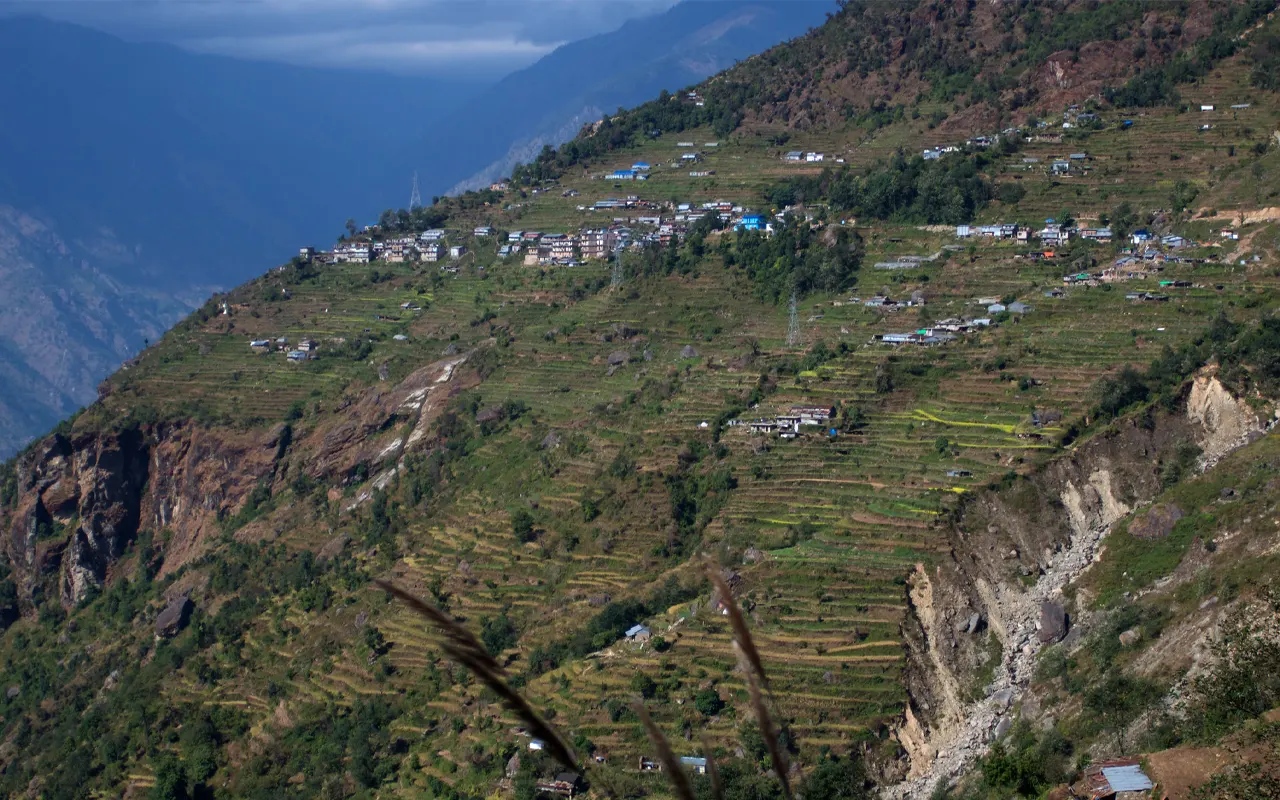
This day of the Helambu trek is easier and more relaxed. We will take a smooth path after breakfast that will cross the hillsides and into the green forest. The trail has nice sceneries and does not require steep hills, and it is an easy day of walking. A few hours later we will come into the tiny village of Ghangyul with its blocky houses and its peaceful atmosphere.
Here we may pause a little, and then resume. The track then passes through little streams and open country till the early afternoon the scenery changes to Sermathang. Sermathang is one of the largest villages on the short Helambu trek itinerary and offers strong cultural character.
We will spend some time in the village, local monastery and have a glimpse into the hills around the village after we have checked in our lodge and had lunch. We will have a lovely dinner, and enjoy our last night in the mountains in the evening.
On the final day of the 6 days Helambu trek, we will enjoy breakfast in Sermathang before starting our descent toward Melamchi Bazaar. This path leads slowly down the hill through the villages, terraces and into woodland. We will walk at a comfortable pace and enjoy the last moments of the Helambu trek.
The trail will come to an end after three to four hours of walks where we will find the vibrant town of Melamchi Bazaar, which is located along the river side. After a short rest and lunch we will drive back to Kathmandu. The pathway is about three hours and passes through the different landscape of hills to valley towns.
By late afternoon, we will arrive in Kathmandu and transfer you to your hotel, completing this short Helambu trek itinerary with lasting memories.


The Helambu trek is considered one of the easier trekking routes in Nepal and is well suited for beginners, families, and travelers who prefer a relaxed walking experience. This short Helambu trek itinerary is designed with gradual ascents and descents, avoiding extreme altitude and technically challenging terrain. We will walk at a moderate speed and have time to appreciate the views and have frequent rests during the trip.
The walk will take a daily average of eight to ten kilometers. This normally translates to five or six hours of walking with some rest and lunch breaks. The routes are well cut and largely traversing through woody tracks, village tracks and open hill sides. No prior trekking, climbing skills and special training are required. Although the journey does involve walking up and down a certain amount of days, the ascents are not very steep and can be handled by the majority of individuals.
With a relaxed mindset and steady walking rhythm, the Helambu trek is enjoyable and rewarding rather than physically demanding.
The Helambu trek can be done in most months of the year, but certain seasons offer more comfortable weather and clearer views. The best times for this short Helambu trek itinerary are spring and autumn, when weather conditions are stable and the landscapes are at their best.
The most popular season of the trek is autumn when it is the season of September to November. This will be a dry season with blue skies and good visibility of the mountains. The temperatures are friendly during the daytime when walking is possible and during the evenings, temperatures are not too high. It is a season that is good to do photography and have a clear view of the surrounding Himalayan ranges without getting any interruption.
Spring, from March to May, is another excellent time for the 6 days Helambu trek. It is warm and the trees are beautiful and covered with rhododendrons and green leaves. Light rain can be experienced in occasional showers and usually in late spring, although all in all, the trekking conditions are favorable.
During winter (December-February) winter trekking can also be done but it is colder and especially at the higher villages such as Thadepati. In warm clothes, the hike may be pleasant, and the trails are quite silent. The rainy season is between June and August and it is less popular because of the rain, clouds, and wet trails. Although trekking can still be done, sightseeing can be minimal and additional attention is required.
As part of the short Helambu trek itinerary, meals are available throughout the journey and are prepared fresh each day using local ingredients.
We will have breakfast in the mornings at the lodge and the usual items include porridge, eggs and Tibetan bread, toast or pancakes with tea or coffee. Lunch is typically consumed in a tea house on the trail and consists of substantial meals of dal bhat served with rice, lentils and vegetables, or noodles, soups or dumplings. Once we arrive at the lodge in the evening, we will have a warm dinner to restore the body after a day of walking.
The food provided on the 6 days Helambu trek is simple but nourishing and rich in carbohydrates, which are ideal for trekking energy. Vegetarian food has become very common and is sometimes suggested in favor of increased digestion at high altitude. We will prepare boiled water at lodges or purification tabs to make sure that we are hydrated safely.
The Helambu trek is a low to mid altitude trek, so the risk of serious altitude sickness is relatively low compared to higher Himalayan routes. The highest overnight point on this short Helambu trek itinerary is Thadepati, which sits at around 3,690 meters. Although this level can be handled by most trekkers, we will still engage in necessary precautions to make everyone comfortable and safe.
There are mild symptoms that include headache, exhaustion or mild dizziness which can be experienced above 2,500 meters. In case you are not feeling well, then you should tell the guide as soon as possible. Our guide will bring a first aid kit and will be able to help with rest and hydration as well as some basic medication. When more severe symptoms occur, a decrease in elevation is the best remedy in rare situations.
Most trekkers complete the 6 days Helambu trek without any altitude related problems by following simple guidelines and listening to their bodies.
A moderate level of fitness is enough to enjoy the Helambu trek comfortably. The experience of this trek is not technical and does not demand any prior experience at high altitude, but some preparation will help make the experience pleasant. To prepare before the trek, we recommend a little physical training in the weeks prior like walking, hiking, cycling or jogging.
It is necessary to pack the correct gear. We will suggest that you carry comfortable trekking shoes, layered clothing depending on the changing temperatures, a warm jacket during the evenings, and waterproofs. During the 6 days Helambu trek, you will carry only a daypack, while the rest of your luggage can be managed by porters if arranged. This trek is very manageable and rewarding to most trekkers so long as one has a positive attitude and has been well prepared to handle it.
For the Helambu trek, travelers must have a valid Nepal tourist visa and the required trekking permits. A visitor is able to get a tourist visa upon arriving at Kathmandu airport, a majority of international visitors. We will suggest that you make sure your passport has at least six months to go before traveling.
By booking the trek with us, all the permit arrangements will be done by us on your behalf. All the required paperwork will be gathered in Kathmandu and it will be ready before the actual start of the trek. The guide will be carrying the permits and showing them at the checkpoints where necessary during the trek.
Recent trekking regulations in Nepal require trekkers on many protected routes to be accompanied by a licensed guide and to carry a valid TIMS card., particularly; by way of safety and proper papers. By joining the 6 days Helambu trek with an organized team, you can focus on enjoying the journey while we take care of the formalities. This makes the trekking process easy, legal, and stress free throughout the process.
Our Helambu trek package is mostly inclusive during the trekking days, but there are a few personal expenses that are not covered. We will have a briefing session with you before the trek, so that you can have time to budget comfortably and enjoy the trip without the burden of worrying.
We will recommend that one carries Nepali rupees as there are no ATM in the trail.
Your safety and well being are our top priorities throughout the Helambu trek. We will ensure that the trek is undertaken with a good pace and in a good way such that you can have the comfort during the trek. We have a professional guide who is first aid trained and will carry a medical kit in case of minor complications such as blisters, headaches, or minor injuries.
During this short Helambu trek itinerary, we will encourage good hygiene practices, such as washing hands before meals and using hand sanitizer regularly. Freshly prepared food and only boiled or purified water are also useful in avoiding stomach trouble. We will remind you to be well hydrated and to notify the guide whenever you feel unwell at any given time.
The Helambu is mostly a safe area, and the locals are smiling and the atmosphere is calm. During the 6 days Helambu trek, we recommend staying with the group and following the guide’s instructions at all times. We will move swiftly and be responsible enough to make sure that in case of an emergency, there is adequate response to render help.
Transportation for the Helambu trek is easy and very convenient as no domestic flights are needed to undertake this route. We will take care of all the necessary ground transportation regarding the trek so that you can travel with comfort and without stress. This makes the Helambu route very suitable for travellers who are looking for easy logistics and a good start and finish.
At the start of this short Helambu trek itinerary we will pick you up from your hotel in Kathmandu and drive to Sundarijal, the initiation point of this trek. The drive takes about one hour and passes through the outskirts of the city to reach the entrance of the Shivapuri Nagarjun National Park. We will use a private vehicle in which flexibility and comfort are possible on the first day.
At the end of the trek, after finishing the walking part near the Melamchi Bazaar, we will arrange transportation back to Kathmandu. Normally, this return journey is made by local bus, which takes about three to four hours and gives one an introduction to ordinary local life. Your guide will help with tickets and seats to make it easier for you.
Travel insurance is highly suggested for people who are joining the Helambu trek, although this is regarded as a moderate and accessible trek route. While we take every precaution to ensure a safe and enjoyable journey, there is always a certain level of risk involved in trekking in the mountains. We will ask you to arrange travel insurance before you arrive in Nepal so that you can trek with peace of mind.
Your insurance policy should cover trekking activity up till at least 4000 meters as the highest point in this short trek itinerary in Helambu is close to that altitude. It is also important that your insurance covers the emergency medical treatment and evacuation by helicopter. In case of serious illness or injury evacuation to Kathmandu may be necessary, without insurance this can be very expensive.
The Helambu trek is flexible and can be modified and extended as per your time, interest and trekking experience. We will be happy to customize the route if you want to explore more of the surrounding regions or change the journey according to your schedule. This flexibility makes Helambu a great option for a trip of a short duration as well as longer Himalayan adventures.
For travelers with more time, one popular option is to trek Helambu with the Langtang Valley and Gosaikunda Lake routes. This makes for a longer trek that unites three scenic regions featuring higher landscape of the Alps and sacred lakes. This option takes more days and more fitness and is a very rewarding experience for those looking for a longer trek with more than the short Helambu trek itinerary.
If you have limited time we can also reduce the itinerary. While the 6 days Helambu trek has the most comfortable pace, it is possible to shorten the trek to five days by varying the distances walked or arranging for transport from some points. We normally suggest you avoid rushed schedules, but there are shorter ones if you need them.
Another appealing option in and from Helambu is a side hike to Ama Yangri, a sacred viewpoint near Tarkeghyang. This can be made as an extra day and there are great panoramic views of the mountains. We can also set up cultural stays, alternative entry or exit points or combine trek with other activities. We will be working closely with you to plan the best route for your Nepal adventure.
The international travelers usually find it easy to communicate during the Helambu trek. We will also have a skilled guide who speaks fluent English and can assist with translation in case the need arises. Most of the tea house owners in the villages along the trail speak basic English because of the frequent visitors of the region.
Your local communities are primarily Hyolmo Sherpa and Tamang. They use their languages along with Nepali which is the national language. It is possible to learn some simple Nepali words and make interactions more pleasant. It is always welcome to say Namaste as a greeting or Dhanyabad as a form of saying thank you. Our guide will be happy to tell you about the local customs and assist you to communicate with villagers.
Language barriers are not a big problem during this short Helambu trek itinerary. The tea house menus are written in most cases in English and therefore it is easy to order food. In case you have any special needs like diet requests or health issues, we will make sure that these are well communicated. During the 6 days Helambu trek, you will be able to interact freely and with confidence with locals.
Mobile coverage on the Helambu trek is feasible, but this may be poor in certain locations. We will assist you in knowing what to expect before the trek. This mobile network has been developed in various villages e.g. Chisapani, Tarkeghyang, and Sermathang, though the signal is poor in forested areas.
It is advisable to use the local SIM card of Nepal Telecom, because in most areas with hills, the telecom would be covering the area well. Mobile data can be used on making calls and sending messages during this short itinerary Helambu trek itinerary, although the speed of the internet can be low. Wi-Fi is available in certain tea houses, but it is charged at a low price in most cases, primarily in larger villages.
The tea houses offer charging facilities which are typically located in the dining areas and a small fee might be charged on a per-device basis. We recommend the use of a power bank and travel adapter. On the 6 days Helambu trek, it is normal that there is very little connection and most trekkers take the opportunity to be off-line and appreciate nature.
The Helambu trek provides numerous sites to capture beautiful photographs, such as forest trails, mountain viewpoints, and traditional villages. During the journey, we will promote respectful photography. Always seek permission to take pictures of people in the area, monasteries and in the houses.
The most suitable times to capture the best light in photography are early mornings and late afternoons, particularly in villages and open points of view. Bring extra batteries because cold weather might make the battery run out. In this Helambu trek itinerary, a camera or smartphone is normally adequate in taking up memorable moments.
In Nepal, the usage of drones is controlled, and one should not fly a drone without receiving permission, particularly in the territories of the national parks. Flying drones without authorization should not be encouraged because some of the 6 days of Helambu trek are located in areas that are under protection. We recommend that regulations should be examined and drones should be used in a responsible manner. In many cases, sightseeing itself is a great way to have some memories that are just as valuable as pictures.
To first-time visitors of Nepal, some preparation will help a long way. We will advise to get a visa at Kathmandu airport and bring passport photos and sufficient cash to pay visa fee as the immigration process is likely to be slow. In order to remain healthy, we will recommend drinking of boiled and purified water, and consumption of well cooked food. It is also a good practice to use hand sanitizer prior to eating.
We will recommend that we use Nepali rupees as our daily cost and take out cash in Kathmandu as we will not have any ATMs on the trekking route. It is normal in markets and with taxis to bargain and we advise that it is done in a good manner and with a smile. It is also good to respect the local culture, therefore it is good to dress decently, take off shoes in shrines and greetings are always welcomed with Namaste.
Generally, Nepal is a safe country, although we will recommend caution of valuables in crowded city locations. Traffic and schedules may be uncertain, and patience and adaptability will make your journey more enjoyable.

The Helambu trek is located in the Langtang region of central Nepal, roughly 45 km northeast of Kathmandu.
This short Helambu trek itinerary is completed in 6 days of trekking, plus travel time to and from Kathmandu.
The Helambu trek’s highest point is Thadepati (Tharepati) Pass, approximately 3,690 m (12,106 ft) above sea level.
Previous trekking experience is not necessary. The Helambu trek is beginner-friendly as long as you have a reasonable fitness level and can walk for several hours a day.
Yes, Helambu short trek is open all the year round. Monsoon (Jun – Aug) will be rainy with leeches and views hidden by clouds and winter (Dec – Feb) cold and possibly some snow at high points. Spring and autumn are still the best season for the clear weather.
Yes. In addition to national park permits, a TIMS (Trekkers’ Information Management System) card is required for the Helambu trek.
Yes. Vegetarian meals are easily available on the whole trek. Other diets (vegan, gluten-free) can often be dealt with in limited options if you inform us in advance.
Yes, water is available at all the lodges and villages. We ensure you refill bottles with boiled or filtered water, you should not drink untreated water from taps or streams.
It’s a good idea to carry purification tablets or a small filter for the sake of flexibility, though every lodge can provide boiled water for drinking (and we provide purification tablets as well).
There are small village shops to buy snacks/basic supplies but no ATMs once you get out of Kathmandu. You should carry on hand enough Nepali rupees in cash for the trek.
Your guide has a first aid kit for minor issues. If you get seriously ill or injured then we organize immediate evacuation to a hospital (by helicopter if necessary). That’s why you need to have travel insurance.
There’s no strict age limit. We’ve had fit seniors complete the Helambu trek, and children can trek safely with parents. Health and fitness are more important than age and we can make it slow or fast for everyone’s comfort.
The trek starts from Sundarijal which is around an hour’s drive from Kathmandu. We arrange private transport from all your Kathmandu hotels to this trailhead as part of our package.
On the last day of the trek, you will hike down to Melamchi Bazaar and will return to Kathmandu by a local bus (about 3 hours). Alternatively, a private jeep transfer is available on request and at extra cost for a faster and more comfortable return.
From the ridges of Helambu you’ll have broad panoramic views of the Himalayas. Visible peaks are: Langtang Lirung, Ganesh Himal, Dorje Lakpa, Gauri Shankar and sometimes even a distant Everest on the clear days.
No, Helambu is rather quiet. Far fewer people trek this route than the Everest or Annapurna regions, so the trails are much less crowded, and more tranquil.
Yes. Nepal is generally safe for women travelers, and many solo female trekkers have done Helambu trek. Our team makes sure that you are comfortable and supported throughout the journey.
Our Helambu trek groups are small and personalized, typically ranging from a single traveler up to around ten people in a group.
Yes you’ll need Nepali rupees in cash on the trek (cards won’t work in villages). For a 6 days Helambu trek, roughly NPR 5,000–7,000 (about US $50–$60) per person is usually enough to cover extra snacks, drinks, showers, and tips.
Facilities are basic. Most tea houses have shared squat toilets and simple wash areas. Some lodges provide hot bucket showers or gas heated showers, for a small fee, but warm water isn’t always a guarantee with each day.
Yes. As a rule of thumb, tip about 10% of the trek cost in total. For example, it is quite typical for trekkers to donate about $5-$10 for each trekking day to the guide, and about $3-$5 for each day to a porter (if he/she is needed).
Yes – there are lots of gear shops in the Thamel area of Kathmandu. You can rent sleeping bags, down jackets and trekking poles for a few dollars per day or buy new gear if necessary.
Absolutely. We can tailor-make the itinerary. If you have additional days, you might add additional side trips (for instance, detouring to Gosainkunda Lake or adding days to Langtang Valley) or other activities. Let us know your preferences beforehand.
No special shots are required for Nepal. Make sure your routine vaccines (tetanus, hepatitis A, etc) are up to date. Bring along personal meds such as Diamox (for altitude) and an anti-diarrheal just in case. Consult your doctor before you travel.
Yes. Helambu trek is relatively gentle, so it’s suitable for children (with parents) and fit older trekkers. We can adjust daily hiking distances/pace to accommodate everyone’s comfort.

