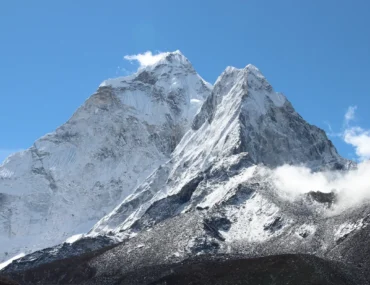
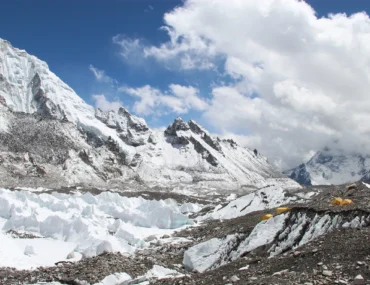
The Everest Region lies in the northeastern part of Nepal and it constitutes a major section of the Khumbu area. This region is part of the Sagarmatha National Park, and is characterised by high mountains, glaciers, deep valleys and traditional Himalayan settlement.
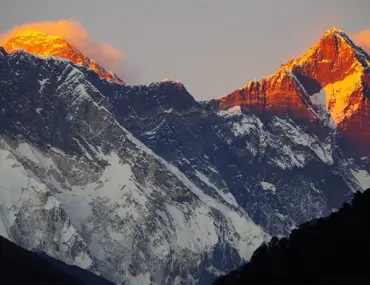
Mount Everest, the world’s highest mountain is located at the center of this region and attracts trekkers and mountain lovers from all over the world. Himalayan Pathways is an agency that offers well organized trekking programs in Everest Region having a strong focus on safety and local experience.
Geography and Landscape
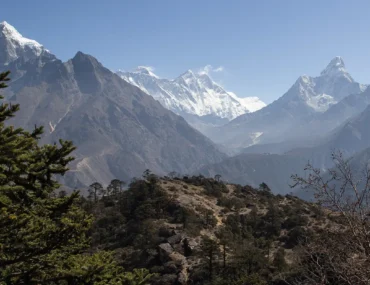
The geography of the Everest Region is influenced by some of the highest peaks on earth. The region contains dramatic mountain ranges, glacial rivers, alpine forests and wide open high altitude valleys. Major rivers like Dudh Koshi flow through the region leading to deep gorges and fertile lowlands.
As altitude rises, the landscape varies from green forests to rocky terrain, glaciers and snow covered slopes. Sagarmatha National Park preserves much of the area and is inhabited by a variety of plant and animal life.
Lower elevations are covered with pine, rhododendron, and juniper forests and the higher areas feature alpine grasslands and desolate mountain landscapes. This varied geography makes trekking Everest Region visually rewarding and diverse.
Trekking in Everest Region of Nepal
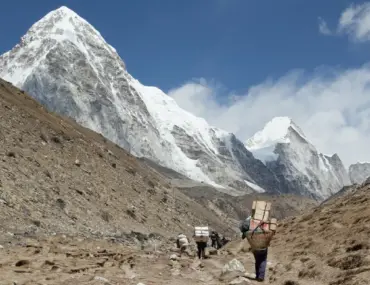
Trekking trails in Everest Region follow the natural valleys and mountain passes. Trails link small villages, monasteries and high altitude viewpoints. Trekkers get to see changing landscapes every day, as well as mountain views all the time.
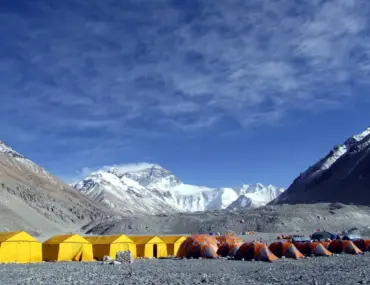
Well established teahouses offer accommodation and meals and the region is available for trekkers with moderate fitness and appropriate preparation.
Culture and Local Life
The Everest Region is inhabited by the Sherpa community whose culture is closely associated with Tibetan Buddhism and life in the mountains. Villages are a reflection of traditional lifestyle brought about by rugged geography and climate.
Monasteries, prayer wheels, mani walls and seasonal festivals are an important part of daily life. Trekking through these villages helps travelers to experience nature and culture together.
Popular Treks in Everest Region
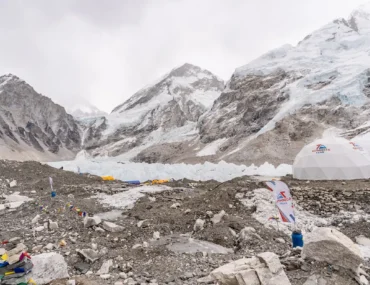
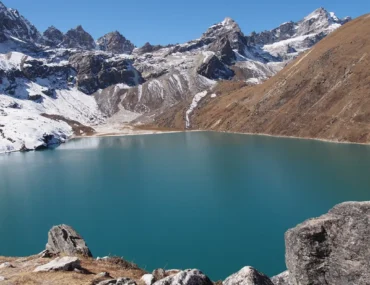
The Everest Region has many opportunities for trekking according to your interest and experience. Some of the popular treks are Everest Base Camp Trek, Everest Three Passes Trek, Gokyo Lakes Trek, and Everest Base Camp Trek via Gokyo Lakes, Everest Panorama Trek and Pikey Peak Trek. These routes delve into various valleys, views and cultural regions of the region.
Best Time to Trek Everest Region
Spring and Autumn are considered as the best seasons for trekking in Everest Region. During these months the weather is normally stable and views in the mountains are clear. These are the times when walking and photography are easy.
Trek with Himalayan Pathways
Himalayan Pathways is an organization oriented towards offering responsible trekking in the Everest Region. The safety of the region is due to our guided tours, travel programs, and concern about safety and security, which allow the travelers to explore the region safely.
Trekking with Himalayan Pathways is an excellent option to feel the nature, culture, and geography of the Everest Region in a meaningful way.
 Unbeatable Holiday Offers - Save Up to 20% on Your Next Adventure!