Duration
11 Days
Unbeatable Holiday Offers - Save Up to 20% on Your Next Adventure!
Duration
11 DaysTrip Difficulty
EasyBest Season
Spring (Apr-May), Autumn (Sep-Nov)Max. Altitude
4130 MetresGroup Size
2-10 PeopleTransportation
Private Car, Public Bus, FlightAccommodation
Hotel, TeahousesMeals
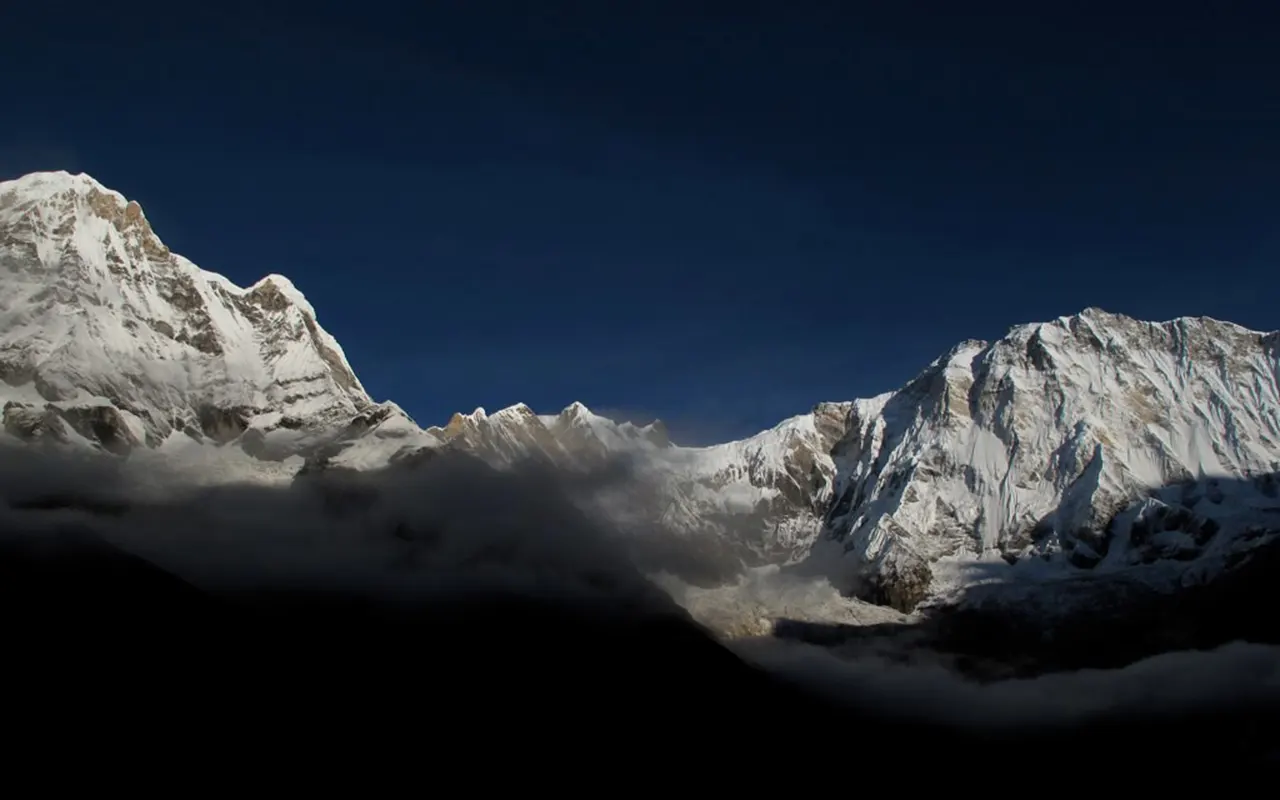
Breakfast, Lunch and DinnerThe Annapurna Base Camp Trek, commonly spoken of in much shorter, less ambitious terms as the ABC Trek, offers an experience simply stunning in every way, beckoning trekkers deep into one of the very loveliest, yet visually stunning parts of the glorious Himalayas. This stunning trekking experience rightly stakes its well-deserved claim deep in the very core of the Annapurna Sanctuary, a huge high-glacial basin deep in a state totally encapsulated within a dazzling array of towering snow-capped peaks thrust dramatically upward through the sky in a stunning visual feast, captivating every imagination. As you contemplate this truly stunning trek, you find a deep, inexorable attraction down into the very heart of the mighty Annapurna I, an enormous mountain standing toweringly tall as the 10th tallest mountain throughout the entire globe, with an eye-watering height of a very impressive 8,091 metres above sea level. In comparison with the much longer, much greater route in the form of the Annapurna Circuit, the trek into Annapurna Base Camp offers a shorter, yet no less satisfactory trek, placing a deep, equal emphasis, yet due consideration, in every way, not just on the very stunningly beautiful landscapes, as well as mountainous vistas surrounding you, yet much deeper, rich, yet rewarding cultural experiences waiting within the sanctuary itself.
A Rare Experience through a Brilliant and Exceptionally Gorgeous Landscape Rich in Distinct Beauty and Copious Cultural Riches
The Annapurna Base Camp Trek is famous and one of the most classic and renowned trek routes in all Nepal, for the reasons mostly being due to the extreme ease with which it can be reached, efficiently designed compact schedule, and truly staggering variance in landscapes and experiences. Starting in the charming and colorful lake city of Pokhara, where the trek effortlessly tangles through charming and friendly Gurung and Magar communities, the trek leads one through stunning beauty in lovely rhododendron forests, as well as extremely challenging high-altitude landscape, with rugged beauty and adventure. During the course of the unforgettable trek, explorers are constantly and stunningly transformed through a panorama of landscape: starting in a warm, flower-bursting, life-rich subtropical forest, ending their trek in massive, cold, towering giants, stunning glaciers, with desolate beauty in alpine tundra.
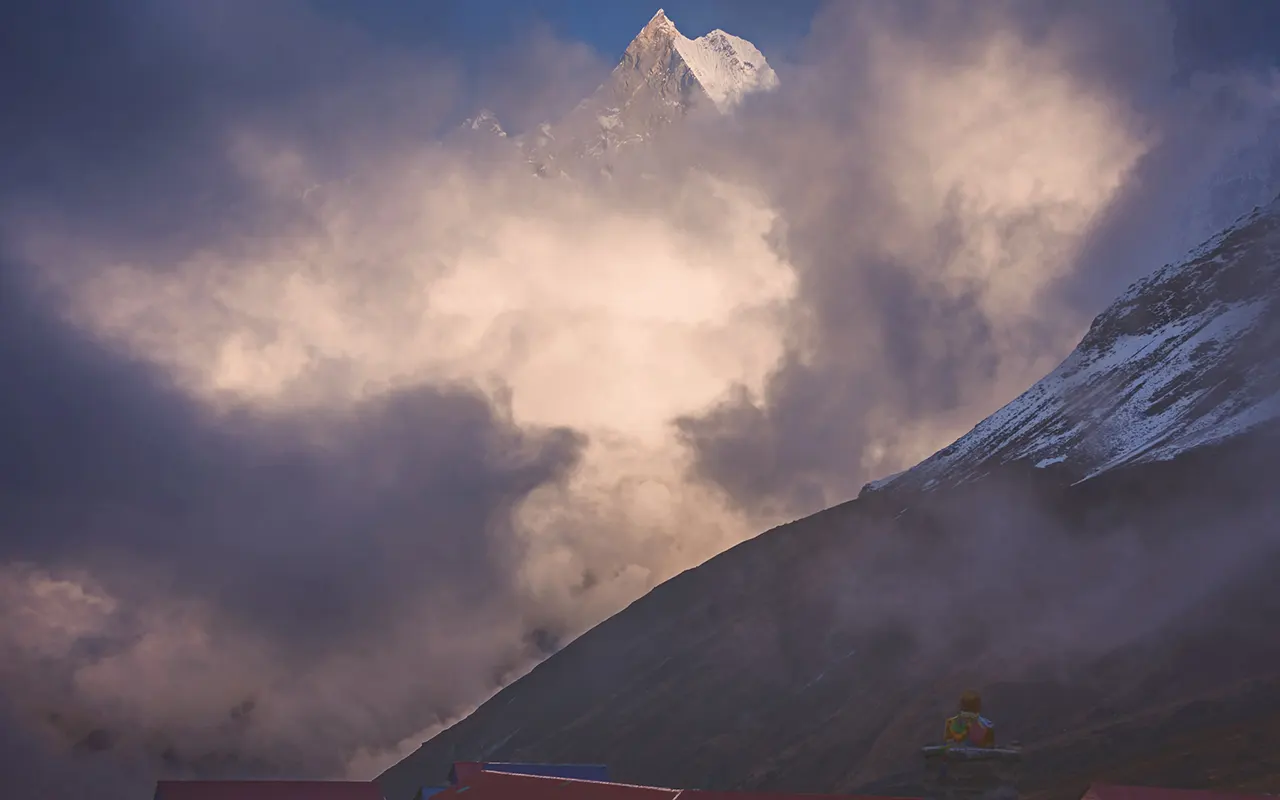
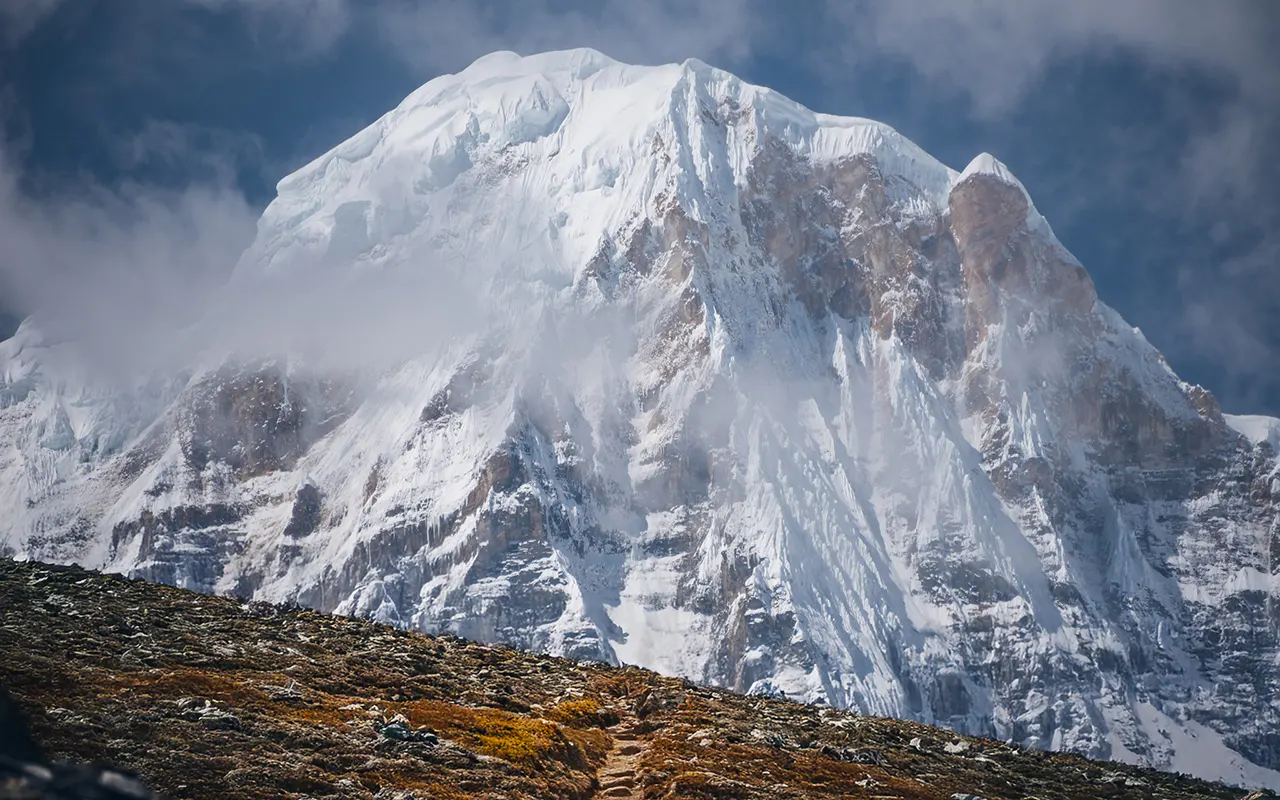
One of the most beautiful and eye-breathtaking aspects of this great trek without a shadow of a doubt is the exhilarating experience of being completely surrounded by huge and gargantuan Himalayan giants in all directions, giving an enormously awe-inspiring landscape. Annapurna Sanctuary is a beautiful natural amphitheater with high peaks, including the imposing Annapurna South, the formidable Hiunchuli, the beautiful Gangapurna, the legendary Machapuchare, also affectionately called Fishtail, and, of course, the magnificent Annapurna I, a feast for eyes in every direction. Shifting weather patterns and sunny conditions increasingly alter and transform the visual mood and character of the breathtaking views, ranging from golden and sunny sunrise moments, through mystifying and magical misty afternoons, culminating in star-studded night skies, each brilliant with beauty. Ever-changing lighting conditions in snow-capped peaks offer unlimited photography opportunities for capturing moments of deepest drama as well as stunning moments, truly indelible.
One of the significant reasons behind the immense popularity among innumerable trekking fanatics for the Annapurna Base Camp Trek can be accounted for due to its extremely easy approachability. When compared with other treks found in even more isolated parts with a total requirement for a huge number of hours in vehicle journeys throughout, or domestic flights, the trek to the ABC stands out clearly as it can be started with a simple few hours’ drive from the extremely picturesque city, Pokhara. Additionally, even Pokhara is very conveniently accessible, either through properly well-maintained roadways, as well as through airways starting from the capital, Kathmandu, making it a much greater ease for the trekkers in being able to start an adventure in the region. In the normal course, the total time period taken for completing the trek ranges anywhere between a period spanning over a period of 7 days up to a period spanning over a period of 12 days, with much leeway for flexibility based on the specific route taken, as well as the physical pace of each trekker. This specific feature especially attracts people with a lack of available time, yet still desiring an original, realistic, yet truly Himalayan trekking experience for a period, much cherished, valued, and relished.
In addition, one must remember that while the ABC trail itself is truly a high altitude trek, with staggering elevation rises above the 4,000 mark, it doesn’t demand the extreme altitude acclimatization typically required for the Everest Base Camp trek. This particular virtue distinguishes the ABC trail, making it a less challenging yet safer option for hikers who are newbies or not entirely well-adjusted to conditions found at high elevations. This, though, is based on the hikers being careful enough with regard to proper pace during their trek and making sure they remain sufficiently hydrated during the hike.
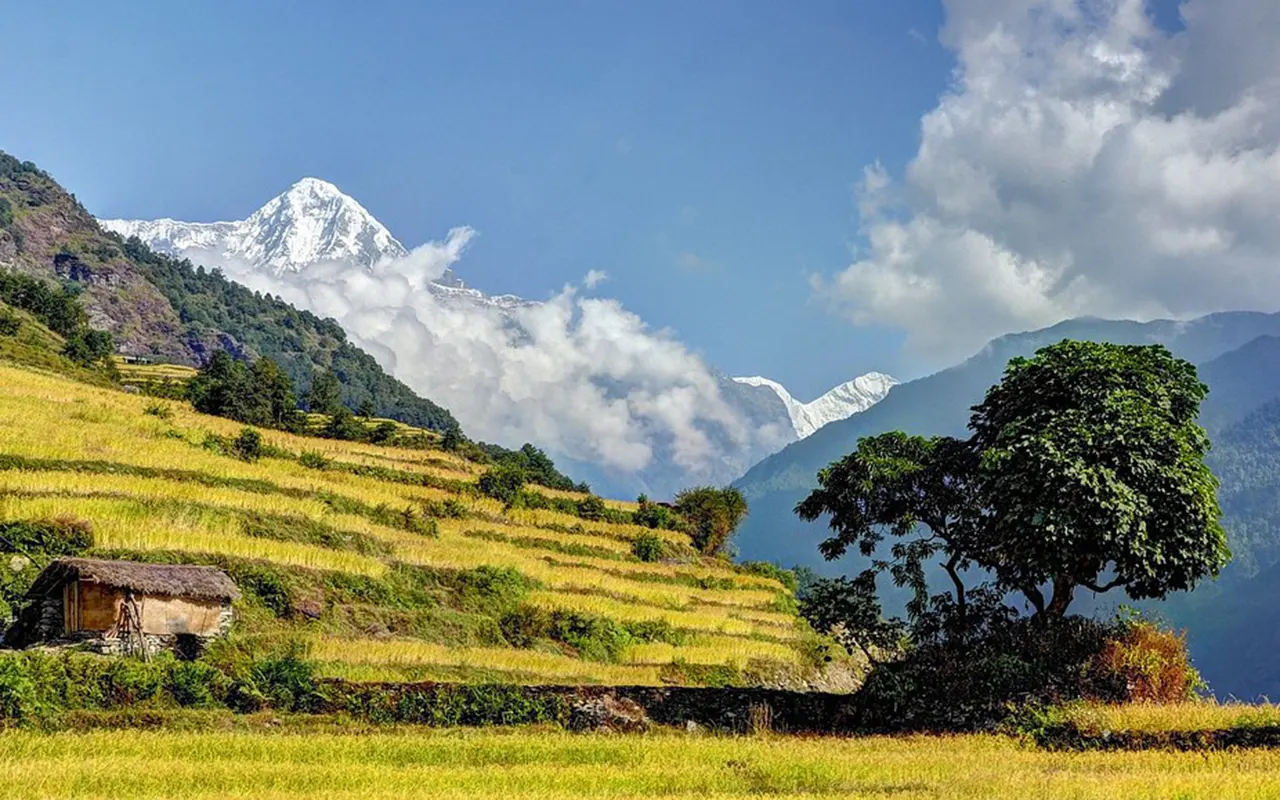
The stunning views that a trekker is blessed with during the exceptional Annapurna Base Camp Trek are marked as much by their extreme diversity as by a remarkable beauty, ranging from captivating the soul with their enormity. Usually, the experience commences in any one among three main options, namely Nayapul, Jhinu Danda, or Ghandruk, with the actual location of departure being dependent on the specific trek route being taken for the day. As they move through the low elevation regions, the trek members are presented with an exceptional opportunity for trekking through dense, forested tracts filled with tall bamboos, stunning oaks, colorful rhododendron trees, where there are reasonable possibilities for experiencing interesting wildlife, in the form of mischievous langurs, among an array of colorful birds within the surreal and stunning landscapes. Part of the trek itself includes charming suspended bridges elegantly spanning over rushing streams, while it also runs through typical hillside rice fields, sculpted with extreme precision, a testament to the ancient farming customs found in this stunning part of the country.
Since the trend for the trail is a gentle incline, the thick and diversity-packed vegetation gradually starts giving way to the breathtaking views of rolling alpine meadows and rocky, steep moraines towering dramatically upward against the sky. With each step upward taken on the part of trekkers, each year also gets progressively cooler, with the air also thinner and less dense, and the entire environment starting to transform, with the air freshening up and appearing nearly otherworldly in beauty. In a majority of instances, snow typically covers the top portion of the trail, particularly during the wintery months up through early spring, therefore providing the entire landscape with an air appearing a brilliant white wonderland, one enthralling and captivating the spirit. As the approach is made toward the base camp, trekkers are rewarded bountefully with expansive, sweeping views revealing a few among the loftiest and photogenic peaks within the glorious diversity of the Himalayas.
One of the truly distinctive features of the Annapurna region is the extremely rich and variegated tapestry of different ethnic populations, particularly the Gurung, Magar, and Thakali, each with distinct customs and traditions. As the trekker traverses the stunning landscape, he or she can pass through an array of classic villages, where the warm reception among the local residents, as well as the native culture, can markedly enhance the richness and depth of the overall trek. One especially famous stopping point among most trekkers is Ghandruk, a prime attraction in the trek route. There, visitors can experience the fascinating customs of the Gurungs, take the time to visit educational museums, and enjoy the local delicacies reflecting the tastes and cooking styles of the region.
Teahouses, being the village lodges found throughout the trail, are truly an extremely important and integral part in making the overall ABC experience for hikers. While these are providing much-needed sustenance in the form of food and shelter for the trekkers, these also provide a unifying sense of belonging for people with very different backgrounds, all gathered together hailing from different parts of the globe. Sitting beside a roaring warm fire during the evening, sipping a warm cup of ginger tea, and exchanging personal anecdotes with fellow travelers is very much a part and parcel of the essence of making the beauty of the ABC trek so wonderful and memorable.
The Annapurna Base Camp Trek is an adventure that is so much greater than a trek; it is an utterly exceptional experience, one, in fact, that leads the fortunate trekker through some of the very best, soul-enfeeding beauty spots found on our grand planet. With every single step taken on this glorious path, trekker after trekker are repeatedly rewarded with an ever-unfolding array of new and breathtaking vistas to capture the imagination, enriching cultural experiences broadening one’s horizons, and countless inestimable moments in which profound personal introspection can take place and thrive. From the rolling emerald lowlands through to the massive, glorious snow-capped peaks delicately outlining the Annapurna Sanctuary, this exceptional trek encapsulates within an irresistibly tiny period of time the very essence of the incomparable Himalayas. This curious facet, in itself, acts towards distinguishing it as an ideal choice for those adventurous spirits who may only harbor limited hours free yet who are filled with an indelible desire for those indelible, glorious mountain experiences which shall be indelibly imprinted in their memories for all time.
Whether you are an extremely experienced trekker who has spent a good number of years venturing into the wilds, or an enthusiastic amateur just embarking on his first experiences with trekking, the ABC trek offers an unbeatable mixture of challenge and convenience, as well as nature and culture, solitude and society. This truly magnificent trail has been an inkling for innumerable explorers, serious photographers, and soul travellers in equal measure—as well as for a good number of people who have taken it, for whom this trek remains a firm favourite in their memories as one of the most mind-blowing experiences in their lives.
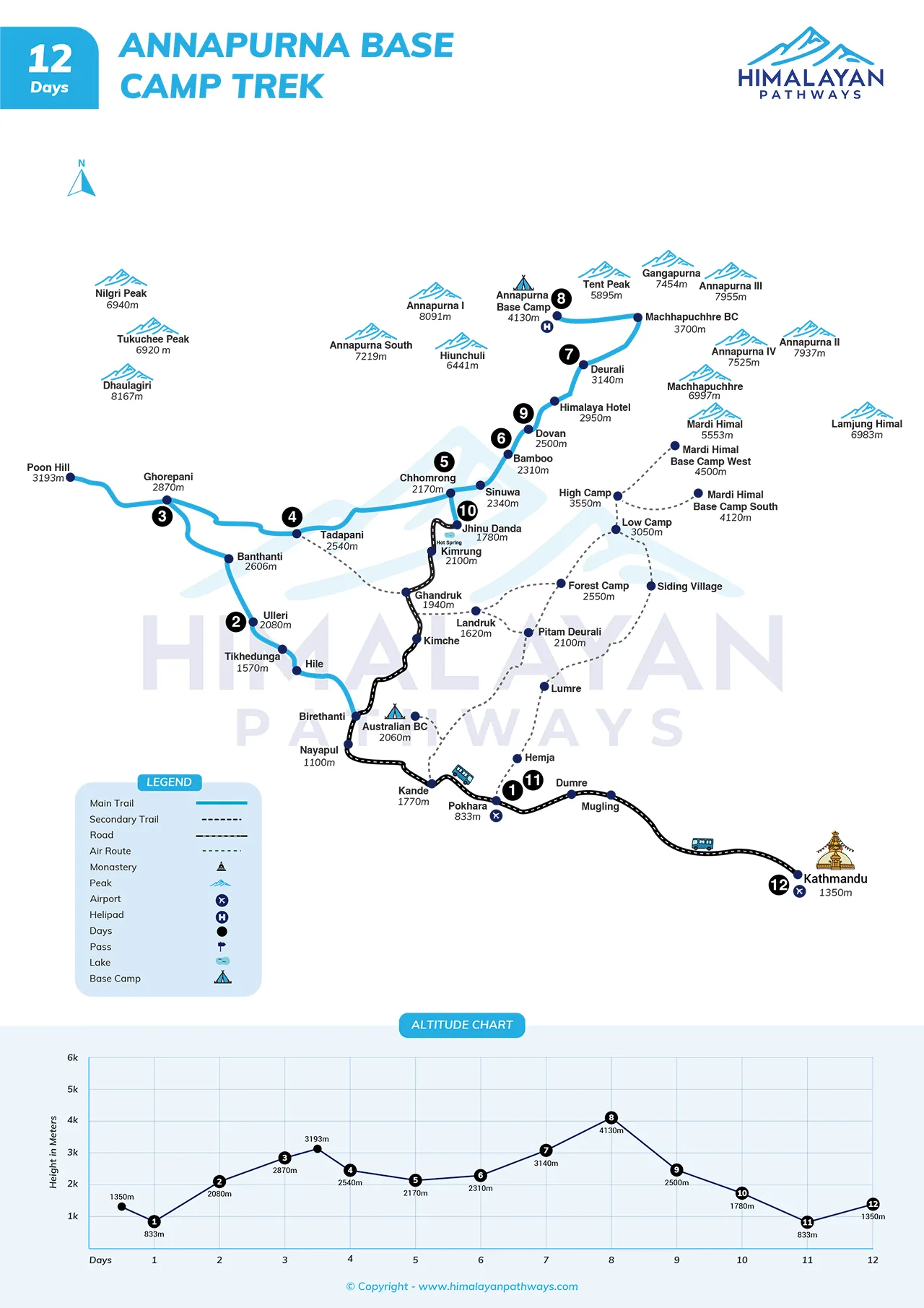
Annapurna Base Camp (4,130 meters) – The main highlight, offering a 360-degree view of the surrounding Himalayan giants.
Machapuchare Base Camp (3,700 meters) – Located just before ABC, this base camp is known for its views of the sacred Machapuchare peak.
Jhinu Danda Hot Springs – A relaxing break along the trek where trekkers can soak in natural hot springs beside the Modi Khola River.
Ghandruk Village – A culturally rich Gurung settlement offering beautiful views and insights into traditional life.
Deurali and Himalaya – High-altitude stopovers where the terrain becomes dramatically alpine and offers surreal vistas.
Poon Hill (Optional) – Some trekkers choose to start with a detour via Ghorepani to Poon Hill, known for one of the best sunrise views over the Annapurna range.
Annapurna Base Camp officially opens with the car journey from the vibrant capital city of Nepal, Kathmandu, through the stunning and tranquil city of Pokhara at about 820 metres above sea level. No actual trekking occurs on the day but it acclimatises the visitor from the vibrant hustling bustling environment of the Kathmandu Valley through into the tranquil realm of the gateway city into the range of the Annapurna at Pokhara. You will fly in or drive in but on the first day there will be building anticipation, fantastic scenery, and a humble introduction into the grandeur of Nepal.
Day Starts – Exit from Kathmandu
The day opens early in the vibrant city of Kathmandu with ancient temples, winding alleys, and the background din of motorbikes, horns, and voices. It will be the first morning in Nepal for most trekkers and will involve nervous excitement and last-minute verifications of the trek equipment, permits, and travel documents.
Depending on the mood, funds, and the weather condition, the trekkers will travel by a domestic flight or by the tourist bus/private car towards Pokhara.
Option 1: Flight to Pokhara (About 25–30 minutes)
Getting in by air is the smooth and efficient method of arriving in Pokhara. The journey in itself is the thrill — once the aircraft has taken off from the capital city’s Tribhuvan International Airport, the tourists are treated to stunning views of the Himalayas on a clear day. Snow-crested mountains from the Langtang Lirung and even the Annapurna and the Dhaulagiri range in the distance provide a glimpse into the mountains ahead.
As soon as we land at the Pokhara Airport, we are struck by the complete difference in environment. The fresh and cool breeze blows in the pleasant weather, and life proceeds at a relaxed speed. Phewa Lake sparkles in the clear sunlight in front of our eyes as the green hilltops emerge in the vista and welcome you back home.
Option 2: The Drive from Pokhara (Approximately 6–8 hours)
If opting for the road route, the car drive from Kathmandu to Pokhara is equally memorable. While roads are steep and winding in sections, the rural charm in the hill regions in Nepal makes traveling worthwhile. The road winds steeply up mountainsides, above rivers, through rural villages and affords glimpses into the daily life in Nepal. Tillage in the hillside fields by the peasants, children waving on the roadside, and tea bars hung out from the rocky cliff form a poignant collage of the culture and resilience in Nepal.
Recommended stopover places are Mugling, Riverside, or Malekhu where the traveler can stretch out and get local snacks — maybe some just-fried river trout from the Trishuli or a hot plate of dal bhat.
Despite being long, the travel provides a raw glimpse into the landscapes which cover the majority of Nepal, and by the time the urban landscape of the Kathmandu gives way to the lake-shore idyll of Pokhara, the travel has been life-changing.
Midday Arrival and First Impressions in Pokhara
On arriving at Pokhara—by plane or by car—the majority of the trekkers will head into accommodation in the Lakeside Section, the most vibrant hub of the town. Lakeside section is situated on the eastern side of Phewa Lake where breathtaking scenarios on clear morning are treated on mountainside especially on Machapuchare (Fishtail Mountain), rising up into the heavenslike a sword.
After a siesta and perhaps a decent lunch at one of the numerous international or local eateries, most will set out exploring the district. Something relaxing about the ambience in Pokhara. Treks shops, yoga schools, bakeries, galleries, roof top restaurants and bars dot the streets. You will hear the voices from the distant lands and see other treks people on or back from the Himalayan odysseys.
Afternoon Adventure – Glimpses into Culture and Nature
Depending on how much free time there is once someone has arrived, and how exhausted someone has been from traveling, there are numerous beautiful worthwhile places to see in Pokhara. A few well-known highlights which can usually be taken in on the first day are:
Sundown and Afternoon in Lakeside
Lakeside Pokhara comes into full form at night. Entertainment in the form of street music by locals is offered along with the glow on the lake by the reflection off the shining lighting. Dinner with a view–possibly sampling local fare like mo:mo (dumpling), thukpa (noodle soup), or butter tea, or possibly just having a pizza or burger and cold drink. Others are busy rechecking the equipment for the trek. Spur-of-a-moment employment or buying sleeping bag, down jacket, trek pole, and water bottle are the business at the shop-stalls near the roadsides. A spark of enthusiasm and nervous anticipation is in the air for the next day will see the actual beginning of the trek. Preparing for Tomorrow Afternoon/evening: Meet up with your trekking guide (where relevant), go over packing arrangements, and wake up early. You will set out on the actual climb up towards the Annapurna Sanctuary the next morning by car up towards the head of the trek—the most popular places have been Nayapul, Ghandruk/Jhinu Danda depending on the route. Though the first day is in no way ascents up the mountain paths or ridgeway ascents, it’s one most important and stunning feature in the Annapurna Base Camp trek. You can choose to slack on one of the acclimatize days, re-charge energies, and absorb the beauty of Pokhara—a city where the natural beauty and culture charm of Nepal go as smoothly hand in glove. Anticipation in the hearts and packs in the correct packing order, the trekkers lull into sleep under the gentile racket from Lakeside night life and the distant call from birds above Phewa Lake. Tomorrow the Himalayas.
When the gentle gold morning sunlight falls on the rooftops at Pokhara, the new day breaks on the trekkers embarking on the expedition into the Himalayas. Day 2 at the Annapurna Base Camp Trek is the true entry into the walking expedition — the first venture into the wilderness, the first ascent up the hill, and the first exposure the life on the trails. After a full and full-hearted breakfast at the Lakeside area at Pokhara, the expedition embarks in car towards Nayapul (1,070 meters), the entry into the Annapurna trekking area. The path goes up through the villages and the forest-covered hill through the villages towards Ulleri (1,960 meters) — a stunning Gurung village with the characteristic stone stairs and the panoramic mountain vistas.
Pokhara to Nayapul; Morning Drive
The morning arrives at the break of dawn. With packs closely secured on the roof of a jeep or in the compartment of a tourists’ car, the team embarks from Pokhara, behind the tranquil lake and populated roads. The car or jeep travel lasts usually close to 2 hours depending on the state the roads are in, which might greatly vary with the passage of the seasons. When the car leaves the city behind, it winds through a scenic road coursing by the riverside, rice and millet crop fields, and rural Nepali villages crafted from stone and clay.
On the way the glimpse of the Machapuchare (Fishtail) and the Annapurna mountains breaks through the hill and the cloud at regular intervals and the travelers once again get the hint at the manner still in store of the giants. Village life is in full exposure at every turning: children in spot-ably-matched school uniforms proceeding on the road side path, peasants in the fields with water buffaloes and fruit and tea sale at petty road side stalls.
After a short time, the car reaches Nayapul, a small town where the road finishes and the trek officially begins. Nayapul, meaning “New Bridge”, is at the Modi Khola river and is where most trails for the treks into the Annapurna region start. The temperatures are cooler, the skies feel bigger, and there comes the inescapable feeling of gear shifting — from wheels to feet, from car to expedition.
The Trek Begins: Nayapul to Ulleri
After brief rest and last look at shoes, sticks, and bottles, the trekkers set out on 5-hour climb up to Ulleri. Nayapul route opens up gradually through riverside villages, terrace fields, and bamboos. First hour is flat and the walk stretches the limbs. The path ascends up to Birethanti (1,015 meters), the registration point where the trekkers stamp in the permit — the ACAP (Annapurna Conservation Area Permit) and the TIMS card are officially checked by the authorities.
Birethanti is a peaceful village with traditional architecture. Birethanti is situated at the confluence where Modi Khola and Bhurungdi Khola rivers meet. Treks normally stop there for tea or even snacks. Stone pavement paths, happy village dogs, and small shops adorn the way.
Continuing on the route, the route ascends at a consistent gradient. You go through Sudame and Hile, small villages with terrace fields and flowers on the path. Kids will dash up and say “Namaste,” and locals will pack heavy loads on basket packs on foreheads — a fleeting poignant look at the ruggedness of mountain life.
Since Hile, the path has been steeper and steeper. At Tikhedhunga (1,540m), where lunch hour will have been arrived at by most treks, there is a small village with many teahouses; it is the ideal spot for a break before the most crowded and most demanding bit of the day: the stone stair way up at Ulleri.
The Notorious Staircase – A Test in Endurance
Ascending from Tikhedhunga up through Ulleri is notorious in the trekkers’ books due to the more than 3,000 stone stairs. Best characterized as the toughest bit on the entire Annapurna Base Camp circuit, it is particularly grueling on inexperienced trekkers. But in the same respect, as challenging as it is; it is one of the most fulfilling.
The stair winds upwards on the hillside on steep incline heavy in vegetation and forest. As the stair winds upwards the temperatures dip again and the civilisation noises are blanketed in the bird songs and the swaying in the trees. The jungle on the incline on the face towards the east has excellent biodiversity and in the spring the spring months the rhododendris will color the path in pink and red coming into full bloom.
Eastward, through jungle clearings, there will open through the jungle clearings glimpses through the jungle clearings of snowy summits. As the afternoon veil usually hides them in cloud, mornings and occasional clearings in the cloud will provide occasional superb views from the range of Himalaya, especially of Machapuchare, whose dielectric fishtail peak rises in lonely prominence. The locals revere the peak as a scared one; climbing on it is forbidden and by this means has been preserved in uninternished perfection.
The ascents are steep but tolerable on a daily basis with intervening breaks. On almost every hairpin in the stone path there is a new vista, and the payoff at the summit is the rapturous welcome by Ulleri Village.
Ulleri (1,960m) – Hill Village Getting into Ulleri
On arrival at Ulleri the sensation is one of exaltation and liberation. A stunning stone village clings to one rocky slope, slate- and stone-built cottages with classic roof tops and flowering gardens. The altitude is dramatically more extreme from Pokhara. The wind is sharp and there is the pretence of peaceful solitude at this mountaineering haven.
Ulleri has little population other than the Magar people, a bravo tribe (many are in the Gurkha battalions) and sociable people. Man and people are wonderful and will normally have little tea shelters where the trekkers will halt, eat, and rest. You shall see people in the fields with buffaloes, chimney tops from where smoke emanates and ladies churning or spreading corn in the clear sunlight.
Panorams east from the rim top at Ulleri are stunning. That great jungle where you ascended up from now is beneath, and on the other side again and again ridges in the jungle over the way towards the snowy mountains. When golden color comes with the setting sunlight in the village, and in the morning the mountains are orange where the first sunlight touches them.
A trip to Ulleri and surrounding Scenery
After getting settled into a teahouse and possibly having had a hot dinner — perhaps dal bhat, noodle soup, or Tibetan bread and honey — you can venture out into Ulleri and the immediate area. Short hikes into the village yield more beautiful views and chances to see day-to-day life.
You will see locals cooking meals, mending rooftops, or kids playing in the location near the fields. On clear mornings, stop from ginger lemon tea in front of the teahouse and watch the clouds sail by over the ridges on the horizon. Ulleri offers the perfect blend of immersion in culture and nature — a reward well earned at the end of the day on the ascent.
Getting Ready for the next Day After dusk at Ulleri the stars start coming out. With little congestion in the light, the star-lit night is a stunning landscape, ideal for star-gazing. The village settles soon after sunset as the trekkers have early morning scheduled departures the next day. The 2nd day at the Annapurna Base Camp Trek is getting into the groove more than anything — it brings on the groove of the trek, the necessity of steep climbs, and the verse of hill life. From the busy roads at Pokhara to the quiet stone paths at Ulleri, the difference is experienced and warranted. Weary legs and full heart, you slump into heavy blankets in your teahouse, the forest sounds from the world outside and the distant murmur of the river beneath. Tomorrow the treks take us deeper into the mountains — into denser forests, at higher elevations, and deeper into the heart of the Annapurna Sanctuary.
As the soft morning sunlight begins to caress the ridgelines above Ulleri, the village itself slowly comes to life in another lovely day in the Himalayas. There is far-off crowing of roosters, muted jingling of the bells of grazing buffaloes, and a hint of chill in the air, reminding trekkers that they’re gradually ascending to colder altitudes. The third day of the Annapurna Base Camp Trek begins here, in the Gurung and Magar stone-flagged village of Ulleri (1,960 meters), with a late afternoon arrival at Ghorepani (2,860 meters) on the horizon. Though the hike is a moderate 5 to 6-hour walk, the transition from cultivated terraced hillsides to lush, moss-draped forests is like walking into a quintessential Himalayan paradise.
A Morning Departure from Ulleri
Trekkers usually rise early to make the most of the daylight hours, and by 7:00 to 8:00 a.m., most are packed, breakfasted, and ready to hit the trail. The day begins with a gentle climb through the upper end of Ulleri village, where traditionally slate-roofed homes are nestled amongst potato fields and flower gardens in bloom. The cold morning air and early sunlight cast golden shadows across the hills, and far-off peaks, like Annapurna South and Hiunchuli, may appear in soft, otherworldly light if the skies are clear.
The trail begins to ascend right away, leading trekkers through small settlements like Banthanti, a charming resting spot with tea, snacks, and panoramic views. The landscape gradually transforms from exposed terraced hillsides to forested slopes, the start of one of the most beautiful sections of the entire Annapurna region.
Into the Rhododendron Forests
Following Banthanti, the trekking enters the rhododendron forest zone, and the magic is almost immediate. Tall trees with huge trunks are covered in soft green moss, and vibrant ferns and wildflowers cover the forest floor. In the springtime (March to May), the rhododendrons are in bloom, and the trekking path becomes a kaleidoscopic tunnel of reds, pinks, and whites. Even in non-blooming times, the ancient forest is a surreal, dreamlike world — quiet, cool, and teeming with subtle life.
The forest is not just a feast for the eyes; it’s a chorus of sound. There are birds singing from invisible branches — Himalayan Monals (Nepal’s national bird), sunbirds, and laughing thrushes, among them. Now and then, you hear the distant rustle of langurs leaping from tree to tree, or the call of a barking deer from deep in the forest’s interior. The cool air and soft earth beneath your feet are a balm after the heat and dust of the lower elevations.
Steady Climb and Waterfalls
The trail from Ulleri to Ghorepani is a steady climb, though not as steep or arduous as the Ulleri climb on the second day, however. It’s a steady, winding trail, often in the shade, and punctuated by small wooden bridges that cross streams that flow down from the hillside. These streams form small waterfalls that fall over mossy rocks, making pleasant spots to sit, fill water bottles, and cool off.
One of the dramatic things along this stretch is the dappled shade and light created by the dense forest canopy above. As the morning wears on, the sun sends shafts of light filtering through the leaves, casting moving patterns on the trail below. When it is misty or rainy, the forest takes on a mystical quality — heavy fog snaking between the trees, giving a muffled, almost reverent quality to everything.
Occasionally, you’ll emerge from the trees into small clearings that provide short breaks in the landscape. Here, trekkers often pause to look back at the trail they’ve conquered and forward to the misty hills and ridgelines that lie ahead.
Rest Points and Forest Teahouses
Along the way, small teahouses and rest stops like Nangethanti provide a warm respite. These small wooden shelters usually hug forest clearings and provide hot tea, boiled eggs, noodle soup, and dal bhat. Trekkers perch on porches or wooden benches, exchanging stories, massaging sore legs, and marveling at how the thick forest seems to stretch on forever in each direction.
Nangethanti tends to be the last major stop before Ghorepani. From here, the trail continues to ascend through even denser foliage, perhaps wet with rain or melting snow, until finally—after a few hours of determined slogging—the trees begin to thin, and the rooftops of Ghorepani village are glimpsed.
Arrival at Ghorepani (2,860m)
Set high on a ridge, Ghorepani, meaning “horse water” in Nepali (as it once was a rest point for mule caravans), is a large, vibrantly coloured village that welcomes weary trekkers with friendly smiles, hot food, and stunning vistas. Reaching Ghorepani feels like acquiring a mountain balcony: from its higher lodges, you can gaze out over layer upon layer of hills cascading down to the valleys below, with snow-capped peaks generally shining above.
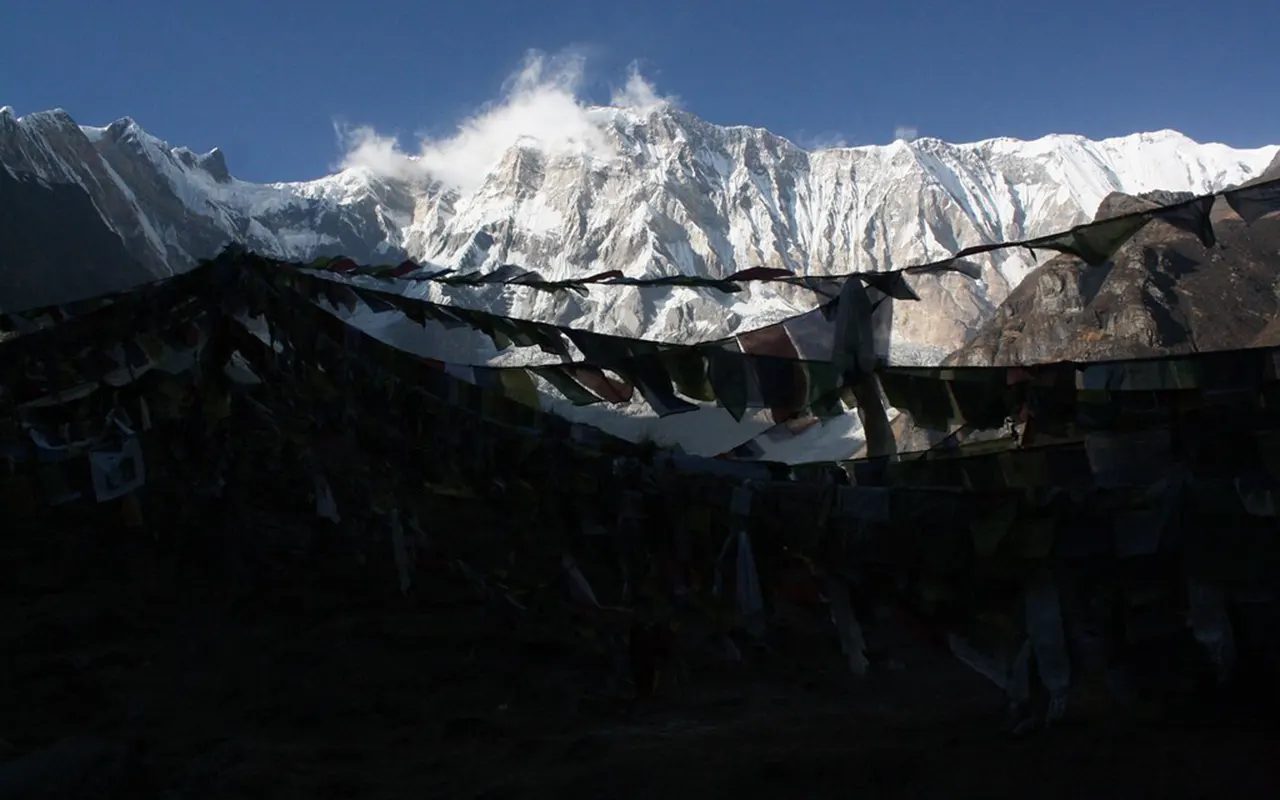
The village is divided into Upper and Lower Ghorepani, and most trekkers stay in the upper village for easy access to Poon Hill the following morning. The village is well developed for trekking tourism, with many cozy teahouses offering Wi-Fi, hot showers, and even wood-stove warmth in dining rooms. Colorful prayer flags flutter in the wind, and the scent of freshly cooked garlic soup or freshly baked apple pie wafts from kitchen windows.
The Magar people inhabit Ghorepani in majority and are renowned for their culture, traditional dances, and their role in the Gurkha regiments. The lodges along here are mostly family-run, and you can be sure to be greeted with a warm “Namaste!” as you enter your night’s accommodation.
Exploring Ghorepani
After settling into your teahouse and resting your legs, the rest of the afternoon can be spent exploring the village. Some trekkers choose to walk around the village’s edges to admire the views or visit local shops selling handmade souvenirs like woolen hats, prayer flags, and yak-bone jewelry. Others simply sit on the lodge balconies with a warm drink, watching as the clouds drift over the distant hills and the light begins to change.
If the evening is clear, you can catch premature glimpses of the Dhaulagiri and Annapurna ranges glistening in the soft light. The sight of Machapuchare (6,993 meters) rising like a frozen wave in the distance is enough to stop any conversation mid-sentence — a still, sacred guardian of the Annapurna district.
Overnight Stay and Expectation of Poon Hill
Dinner is early, at 6:30 or 7:00 p.m., and consists of warm and nourishing fare—dal bhat, pasta, soups, and Sherpa stews. Trekkers gather around wood stoves in the dining halls, exchanging photographs, discussing plans for the next day, and sometimes playing cards by dim lantern light. The atmosphere is friendly, communal, and reflective — the forest, the climb, and what lies ahead pleasantly occupy all thoughts.
Most trekkers retire early, as Day 4 begins before dawn, with a pre-dawn hike up to Poon Hill, one of Nepal’s numerous iconic view points.
The hike from Ulleri to Ghorepani is not just a gain in altitude — it’s a walk through Nepal’s natural beauty, a trek into a living forest that inspires and humbles. With every step through the rhododendron trees and every hour trudging through mist and sun, trekkers fall more and more into the grasp of the Annapurna region.
By nightfall in Ghorepani, tired legs are wrapped under cozy blankets, and dreams are filled with woodland paths, birdsong, and the golden sunrise of the morning to be. In this Himalayan village idyll, where ancient mountains meet warm hospitality, you begin to fully understand why trekking in Nepal is so unforgettable.
The fourth day of the Annapurna Base Camp trek is often described as one of the highlight days of the entire journey. From witnessing a spectacular sunrise over the Himalayas from Poon Hill (3,180 meters) to trekking through terraced fields, dense rhododendron forest, and charming mountain villages to Tadapani (2,630 meters), this day offers a combination of natural beauty, cultural immersion, and physical effort. It’s a day when the majesty of Nepal’s mountains is revealed in its entirety, making an indelible mark on every trekker’s heart.
Pre-Dawn Hike to Poon Hill
The day begins in the cold gloom of pre-dawn, typically around 4:00 a.m., as trekkers roll out from their warm beds in Ghorepani with sleepy eyes and hopeful hearts. The chill in the air is crisp and biting, and the sky is star-filled as trekkers wrap up with jackets, gloves, and headlamps in preparation for the hour-long climb to Poon Hill.
The trail is steep but well-trodden, a steady ascent of stone steps and dirt path through pine and rhododendron forest. A line of glowing headlamps snakes its way up the mountain like a chain of fireflies, and the higher you ascend, the outline of the land begins to define itself — ridgelines, trees, and the silhouette of distant peaks.
When you finally reach the vantage point of Poon Hill, the reward is immediate and heart-stopping. As the first rays of dawn gradually stretch across the eastern horizon, the Himalayan horizon stretches out in all its glory. The transformation of the mountains from dark silhouettes to glowing golden giants is nothing less than mystical.
The Magic of Sunrise from Poon Hill
From Poon Hill’s great height, trekkers are treated to a 360-degree view of the Annapurna and Dhaulagiri ranges. The towering peaks of Annapurna South (7,219m), Hiunchuli (6,441m), Dhaulagiri (8,167m), Nilgiri, Tukuche, and the sacred Machapuchare (Fishtail Mountain) stand out over the horizon.
As the sun rises, the snow-capped peaks burst into colors of orange, pink, and gold, creating a stunning contrast against the still-blue sky. The view is poignant and humbling — most trekkers fall silent, taking in the sheer beauty and vastness of the Himalayan world.
Photographers set up their tripods while others sip hot tea that is sold by a small vendor at the top, wrapping their hands around their cups to warm them. Some climb the steel watchtower for an even greater height, and others sit on a secluded rock to meditate. It’s a moment of awe, peace, and collective wonder for individuals from around the globe.
Descent to Ghorepani and Breakfast
After the view at Poon Hill for about an hour or so, trekkers descend to Ghorepani, where they usually arrive between 7:00 to 8:00 a.m. The return hike is lighter — both physically and mentally — because the warm sun begins to shine on the trail and the early morning fog dissipates.
Back at the teahouse, there is a hot breakfast waiting. Tibetan bread with honey, boiled eggs, porridge, or dal bhat gives trekkers the energy needed for the second part of the day — the trek to Tadapani, which will take another 5 to 6 hours through varied and stunning scenery.
Trekking from Ghorepani to Tadapani
Departing Ghorepani, the trail ascends once more through enormous rhododendron forests, some of the largest on the planet. The forests, with their gnarled old trees, moss-covered rocks, and birdsong, have a primeval, serene quality about them. Golden light filters through the canopy in the morning, casting dappled shadows along the trail and illuminating a world of greens, reds, and browns.
Along the way, trekkers pass through Deurali Pass (3,090m) — not to be confused with a second Deurali close to Annapurna Base Camp — which provides a last panoramic view before the trail begins its descent. The forest becomes more dense in places, with stands of bamboo, cascading waterfalls, and streams providing a cooling environment. In spring, rhododendrons of every hue bloom, coloring the hills a living tapestry of reds, pinks, and purples.
This part is abundant with bird life. Keen eyes can spot Himalayan monals, woodpeckers, and even eagles flying above in the valleys. The trail occasionally opens up to provide glimpses of far-off villages in the hills, with terraced agricultural fields and thick forest surrounding them.
Through Terraced Fields and Remote Villages
After the pass, the hike begins to drop more consistently and then rolls along woodland path and terraced fields. The scenery changes again here, with green rolling hillsides carved into layered green rice fields and millet farms. These terraced farms, carved with backbreaking effort over the centuries, are a testament to the balance of human life and the land in Nepal.
You will also pass through tiny villages such as Banthanti and Gurjung, where the stone houses, goats grazing, and quiet courtyards invite the trekkers to linger. The villagers, especially elderly women and children, can generally be seen working in the fields, carrying firewood, or drying grains on the roof tops.
These villages offer a glimpse of mountain rural life, untouched by the buzz of modernity. It’s a glimpse into a slower, peaceful world where daily life is governed by the seasons, the land, and the sun.
Arrival in Tadapani (2,630m)
Eventually, the trail leads into the peaceful and forest-wrapped village of Tadapani, perched on a ridge with jaw-dropping views of Machapuchare, Annapurna South, and Hiunchuli — especially at sunset and sunrise. The name “Tadapani” means “far water” in Nepali, referring to the village’s once-distant water source, although now it’s well-supplied.
Tadapani is small but well catered to trekkers. The village is a cluster of cozy teahouses, each offering warm hospitality, delicious food, and heavy blankets to keep out the chill mountain air. Most trekkers agree that the scenery from Tadapani is as good as, if not better than, Poon Hill because of the closeness and drama of the angles of the peaks — especially at golden hour when the mountains appear to radiate light from within.
Evening at Tadapani – A Mountain Paradise
Having settled into a teahouse, the majority of trekkers spend their time on the terrace or in the common dining area, sipping ginger lemon tea, reading, or writing in diaries. There’s a mood of relaxed contentment, punctuated by subdued tiredness and deep satisfaction. It is a great time to reflect on the day’s trek — from the ethereal sunrise at Poon Hill to the quiet, green forests and the cultural riches of the villages below.
Dinner is taken between 6:30 and 7:00 p.m., and the fare typically includes familiar trekking staples like dal bhat, noodles, fried rice, vegetable curry, or Tibetan momo dumplings. After a day of so much walking, every bite tastes like comfort food and well-earned.
At night, the stars shine above Tadapani. There are no city lights to block them, so there are distinct constellations sprawling across the sky, and if you go outside, you will generally see the silhouette of Machapuchare glowing gently in the moonlight.
A Day to Remember
The foirth day is a watershed in the trek — a day of contrasts, from the activity of a pre-dawn ascent to the quiet of mountain forests, from expansive Himalayan panoramas to close-up village life. It pushes your endurance, gratifies your senses, and enhances your bond with Nepal’s mountains.
By the time trekkers climb into their sleeping bags in Tadapani, they carry with them not just physical fatigue, but also a profound sense of gratitude. Gratitude for the earth beneath their feet, the sky above, the people they have met, and the beauty they have seen — a day in the midst of the Himalayas that they know they will never forget.
After a restful night at Tadapani, among the soothing splendor of the Himalayas and to the sound of mountain breezes singing one to sleep, trekkers rise early to set out on Day 5 of their trek — a scenic and moderately challenging ascent to the Gurung village of Chhomrong (2,170 meters).
As the sun comes up over the white-capped peaks, the surrounding mountains, including the massive Machapuchare (Fishtail Mountain), which is seen from Tadapani, are bathed in a golden warmth of morning light. Trekkers prepare to leave while the crisp morning air is filled with the aroma of pine and wet earth.
Breakfast is usually a warm and revitalizing affair — a choice of porridge, Tibetan bread, eggs, or pancakes, accompanied by hot tea or coffee. The party then departs and bids adieu to the friendly teahouse hosts and embarks on the downward trek through forest trails that soon open into one of the most breathtaking parts of the trek.
Through Enchanted Forests and into the Modi Khola Valley
The first part of the trail is a steep drop through stands of rhododendron and oak. If springtime has come, there will likely be blooming rhododendrons, their red, pink, and white flowers illuminating the forest into a dense and magical world. The trail is narrow and occasionally slippery, especially at early morning hours when dew still clings to leaves and boulders.
This part of the trail is more serene — hikers pass through a grove of giant trees, where sunlight would have to penetrate leaves to produce whirling shadows on the moss-covered forest floor. Birds sing in the canopies, and occasionally a squirrel or langur monkey might be spotted jumping through branches.
As the trail continues to descend, the forest yields to alternating glimpses of deep Modi Khola gorge far below. The river, having been rejuvenated by melting Annapurna Sanctuary glaciers, divides the valley like a silver snake, its voice more thunderous as you get closer. Bridges creak underfoot as you cross streams and minor tributaries — some temporary and others built solidly of steel or wood.
Modi Khola Gorge Passage
The route then finally descends to Kimrong Khola, a Modi Khola tributary, and a suspension bridge suspended over a thundering river with deep cliffs on either side and rich greenery. The loud water just below you, rustling leaves, and an errant call of some bird give it an entirely wild and untouched aura.
Here, the path begins its ascent once more and here this time the ground hardens. The sun is higher now and the heat starts to build up — especially on lower valley levels where the humidity can be felt. But the view remains rewarding, with millet and barley terraces curled around the slopes and small stone houses visible in the distance.
Trekkers pause regularly to rest, drink water, and absorb some breathtaking scenery. On the trail, you can spot local villagers hiking back with firewood or animal fodder loaded on their backs, offering you nothing more than a hearty “Namaste” and a smile. Children occasionally wave from the distance or run along the trail, offering some Nepali banter along with chunks of English.
Arrival at Chhomrong (2,170m): Entrance to Annapurna Sanctuary
After trekking for hours — around 4 to 5 hours from Tadapani — you finally arrive at the village of Chhomrong, a large and vibrant Gurung village situated on the edge of a green hill. As opposed to the smaller villages that you have seen so far, Chhomrong seems to be more developed and is a major pit stop along the Annapurna Base Camp trek.
The village sits stepped, with stone steps that zig and zag between guesthouses, villagers’ houses, and rice fields. Every corner of Chhomrong is treated to breathtaking panoramas of Annapurna South (7,219m) and Hiunchuli (6,441m) looming threateningly overhead. Machapuchare, untouched but revered, also looks out from behind ridges, creating awe.
Chhomrong’s teahouses are a few of the best in the region — clean, welcoming, and well-provisioned. Most trekkers choose a viewpoint teahouse, where the structure includes a balcony or roofline terrace for sitting back and enjoying the breathtaking mountain views. The facilities here often include hot showers (sometimes solar-heated), Wi-Fi, and several meals ranging from dal bhat to pasta or fried rice.
Cultural Encounters and Village Life
Chhomrong offers more than just rest and scenery — it is a cultural hub of the Gurung, one of Nepal’s most respected ethnic groups, who are known for their ferocity as Gurkha soldiers and their rich heritage.
Touring the village in late afternoon, you can observe women weaving basketry, older folks sitting for discussion, and children playing tag around water taps and goats. Prayer flags flail in the wind, and mani stones with Buddhist mantras etched on them along the trails put across the message that this is not just a trekking trail, but also a spiritual world.
Others spend the time chatting with locals, learning about Gurung customs, or getting into some impromptu dancing and playing in the evenings, especially around festivals.
Food, Rest, and Reflections
Dinner is enjoyed in the cozy dining hall of the teahouse following a fruitful day of trekking. Most of the trekkers relish rich meals like dal bhat, containing the adequate amount of carbohydrates and proteins, or otherwise try out something different from dal bhat like Sherpa stew or chapati with curry.
As the sun falls behind the mountains, the sky is transformed into hues of burning orange and misty purple, gradually emerging into a starry Himalayan night. The air also begins to get cold, and the trekkers don jackets and cluster around the dining room stove, sipping hot drinks and sharing stories with other travelers.
The view of the mountains under moonlight, with their snow-crowned peaks shining, is magical. The atmosphere in Chhomrong is one of stillness and desolation — a space midway between heaven and earth.
Preparing for the Next Phase
Chhomrong marks the entrance to the Annapurna Sanctuary, and from here the trek is more difficult and remote. Trekkers take the opportunity to re-pack their duffels, recharge batteries on equipment, and psych themselves up for the forthcoming few days, which involve more climbing and greater altitude.
But for the moment, the fifth day is done in this peaceful village, where the hills keep watch and every star in the heavens has a story to tell. It has been a day of contrasts — beginning in hill forests, descending into deep canyons, and climbing once more to this fabled Himalayan village. With heavy hearts and tired legs, trekkers climb into bed, thankful for a day of loveliness, difficulty, and bonding in Annapurna country.
When sunbeams in morning with ray of gold touch roofs of Chhomhong village, trekker sets out for his sixth day of a trek up to Annapurna Base Camp. Altitude here is approximately 2,170 meters, and Himalayan air is a refreshing blend of fresh pine with a pinch of dew from yesterday. Bamboo is what you face today inside wooded landscape with average elevation of 2,310 meters. Though whole time taken for that amounts approximately 4 to 5 hours taking time that is also consumed for rest break also, guarantee of getting a good dose of landscape with steep downs and up along with dark shade forests that stretch with natural majesty.
Descent from Chhomrong to the Chhomrong Khola
We start our day with a good breakfast with hot masala tea cups and beautiful vistas of our surrounding mountains including Annapurna South and Machapuchhre (Fishtail) behind. A short warm up and some last checks with gear, trekkers depart descending a long staircase that zigzags down towards Chhomrong Khola—a glacial river bubbling with melted ice from peaks rising sheerly up.
This trek, though stunning, is hard on the knees with so many steps. On it, tourists will generally pass school-children to school, elderly villagers with baskets slung with a namlo (head strap), or other trekkers coming down the alternative route. Going down, gradually behind you you see terraced barley, millet, potatoes while taking in flowering shrubs that grow alongside river courses as well as groves of grasses.
Coming down to a valley bottom, a long suspension bridge provides a safe passage across Chhomrong Khola. From here a tourist relishes a cooling river mist rising up along with time to be in virgin silence of this portion of trail.
The Ascent To Lower And Upper Sinuwa
Having passed by once by the river, immediately the trek demands a steeply rising incline. The incline climbs up a small ridgetop village named Lower Sinuwa. The steep-sided narrow stone staircase is narrow, steeply constricted, yet shaded and a moderate grade hike. Carrying on upwards with one’s trekker’s path, one’s vista again opens out again, this time with dense forests, quick glances down into what is below in the river valley bottom, and teasing sights of a clouds-at-a-look top of Machapuchhre whose characteristically conical summit does seem to stretch for clouds.
Shortly after arriving in Lower Sinuwa, the path carries on a little higher up a steep incline to Upper Sinuwa, further up the ridge and more established with teahouses that provide refreshment as well as a spot to rest. Hundreds of trekkers opt to rest here to rehydrate, hopefully share a light snack of Tibetan bread with honey or a cup of soup, and appreciate the stunning wooded view.
Entering the Forest: From Sinuwa to Bamboo Then from Sinuwa on down it enters a forest–a change that is virtually mystical. The environment and landscape become greatly changed. Terraced hillside vistas with peaks off in the background? Don’t expect it. A canopy of rhododendron, oak, and bamboo now covers the path. In the springtime, rhododendrs flower with color–red, pink white blossoms along the path in a flower arch. Ground conditions become soggy underfoot much of the time while seasonally mist will swirl between trees so that even that small corner of Sagaing feels wrapped up with a type of mystical atmosphere.
The path now is a highly undulatory one with steep portions interspersed with wooden bridges constructed between stretches of rock or ice. Another feature of this stretch is that one receives non-stop background music from nature—the birds singing up in skies, rumblings of concealed streams somewhere off into a corner, rustling due to a breeze blowing through leaves. If one remains stationary and fortunate, one might even see langurs (Himalayan monkeys) leaping between tree tops or that elusive rustling due to musk deer moving along underbrush.
Bamboo Arrival: A Serene Forest Hamlet
Then the woods clear so that one sees Bamboo, a string of tea houses and lodges that line a small clearing near the jungle. The village itself derives its name from offshoot dense groves of bamboo that grow in that humid cool climate. This 2,310 meter location makes it a one that is neither so high up that one cannot be comfortable nor so high that one is ill if out of shape for a long.
It’s a small, serene village that is a good deal less populated than big villages from previous sections of the trek. The lodges themselves are unpretentious but comfortable, frequently constructed from stone and wood, with cozy dining halls where trekkers sit for hours swapping tales, drinking tea, and planning tomorrow. The food is robust and abundant—dal bhat (nutritious stew of lentils and rice) is a mainstay, but veg momos, noodles, and Tibetan bread materialize too.
We recommend that most visitors simply want to spend their late afternoon sitting inside the lodge or taking a walk along the fringe of the forest, appreciating a sense of calmness and solitude. It is a place from whence you can hear your thumping heart and grow more intimate with nature.
Reflections on the Day’s Journey
Though not the longest nor physically challenging part of the Annapurna Base Camp trek, Chhomhong to Bamboo is one of its most dramatic and transformative parts. It is a divide that observes the trail relinquish the foothill villages and agricultural valleys for true wilderness Himalayan forests. Each step deeper carries trekkers further toward their preferred Himalayan peaks, yet deeper into natural essence of landscape. The day also commemorates Nepalese terrain variety and contrast. From river-bridges and rock staircases to ridge-covered forests and moss trails, the path provides a fluctuating landscape that never lets body nor soul down. When night falls in Bamboo it chills up and one distinctly hears night chorus of forests. Trekkers sit in dinning halls with hot beverages gazing out of glass into a moon lit forest. There is steeper ascend tomorrow up to Deurali and long-awaited finally Annapurna Base Camp, yet for now Bamboo provides shelter, warmth, and enduring peace that any Himalayan forest gives.
Day in Bamboo is peacefully quiet with interruptions of sun breaking in between dense rhododendron jungle and bamboo that put down golden patterns on ground blanketed with mist. A good night rest with all that quiet from surrounding forests makes one reinvigorated for the seventh of Annapurna Base Camp trek. Today’s trek from Bamboo hamlet (2,310m), a serene one, to much more exposed and alpine landscape of Deurali (3,230m) is what one has in store. The trek that takes a good 5 to 6 hours gains gradually in mileage as well as in elevation. With every step today, one moves one more towards innermost corner of Annapurna Sanctuary.
Early Beginning from Bamboo: Deep into the Central Woodland
Then breakfast—porridge, chapati or Tibetan bread with jam with a hot cup of tea or coffee. Then on with gear packs and up they go. The scenery first climbs a dense bam- and oak-covered hill. The morning is most pleasant with a gentle layer of leaves along the path and birds’ chirps ringing out from time to time from the trees. First job of day is Dovan about 2,600m.
Trail is woods-like exiting Bamboo with numerous tiny waterfalls/ streams along trail. A common occurrence is facing a line of porters/mules climbing/descending with packs up/down trail as part of that necessary supply chain to higher elevation teahouses. Speed of hike must be moderate for this part with declining volumes of oxygen that become more pronounced with rising altitudes. Cool weather it is with most of trekkers seen to remove their outer gear early due to overheating but re-dressing later due to descending temperatures in wooded conditions.
From Bamboo to Dovan: Further into the Gorge
Trail rises gradually to Dovan, a small collection of lodges that sit on banks of Modi Khola river gorge. This part of trail was renowned for being peaceful—long canopy of foliage overhead, patch of rock with moss near trail, white noise of streaming water. The river, a glacier torrent that emerges from icefaces of Annapurna range, is aconstant friend for much of day.
The majority of trekkers take a swift break to rehydrate, rest up their legs, and change gear. Dovan is a pass—the trail quite simply changes from being a subtropical environment to a more alpine environment from here. From here onwards it is more challenging.
Ascent to Himalaya: The Trees Grow Scarcer
Forect fades slowly from Dovan. The path now continues along parallel to bubbling Modi Khola river as it winds between an increasingly deep gorge that narrows in. A narrower, colder air now characterizes a more steeply ascending and narrow-wide path that zigzags up jaggedly stepped rock ledges and up irregularly stepped natural rock.
Another point of attraction is Himalaya (2,920m), a tiny village with a limited choice of teahouses that perch on a ridge top with a river valley below. It is a landslide area so it is fortunate that trekkers walk with caution along a part of it. In a couple of parts along the trail, you will notice warning signs for avalanche country especially in winter months and early spring. The vegetation also varies here—productive green to scrubby material and dwarf rhododendron. There might be patches of snow along the trail depending on the season.
The Himalaya stretch is another spot for rest and a light snack. Trekkers might settle for noodle soup, boiled potatoes, or Instant energy bars while taking in the changing scene. Scenarios of sheer cliffs and waterfall cascading give a near-surreal landscape. It is also here that trekkers begin to realize a sense of proximity to the great Himalayas—vertiginous ice and rock walls seem to close off all directions so that you realize that you’re in aremote holy place.
Last Haul to Deurali: Into the Alpine Region
Abandoning Himalaya behind it, the trail steepens more distinctly. Trees now become less frequent, being immigrated by hardy alpine vegetations—grasses, small shrubs, and rocky outcroppings smothered with lichen. The scene gets more desolate and spectacular with every step. The terrain is that of hard angles—steep ascends, naked ridge crests, and rock falls that happen with some regularity. The trail quite regularly creeps up near cliffs with river rumoring away bottomlessly below to provide some chastening moments and some excellent photographic angles.
As you ascend, fleeting views of snowy peaks such as Machapuchhre (Fishtail) appear from behind clouds. The path climbs up via Hinku Cave, a natural cave shelter that was one of a series of porter/trekker shelters. It is no longer regularly in service for that purpose anymore, but it is a point along the way to Deurali.
And finally, after a day’s long hike up this increasingly breathtaking landscape, you arrive at Deurali (3,230m). On a dramatic saddle ridge with stunning vistas of peaks in all directions, Deurali is a whole different planet from from whence you originated that morning. Trees grow progressively less common now, being replaced by wind-swept grassland and protruding outcroops of rock. It will be snowy along the path, and air noticeably thinner. Scenery is stunning: sheer canyon walls ring a scene around the village itself, while on clear mornings/afternoons the glaciers and large faces of Annapurna South and Hiunchuli become gradually unveiled, previewing what lies ahead for Base Camp.
Arrival and Rest in Deurali
Deurali tea houses are simple but comfortable. A night here is a typical rest for trekkers after a day long climbing steep-highs, acclimatization, and getting warm drinks close to communal heaters. It’s a time to rehydrate adequately and be on one’s guards for altitude symptoms as it’s a place that neighbors more Himalayan rugged hilltops.
Evening dinner includes carbo-dense foods—dal bhat, pasta, or potatoes—to restore energy depots. It is a calm, cold evening, and trekkers sit around the fire or retire early to their rooms with an eagerness for the big trek tomorrow up to Annapurna Base Camp via Machapuchhre Base Camp.
The seventh day is one of our most spiritually- and physically-transition-filled days of our trek. It’s more than a road trip from village to village—it’s a transition from being on the doorstep of the alpine zone to a slow exit from warmth and comforts of gentle valleys below into the distant wilderness of mountains of the Annapurna Sanctuary. Combining woodsy trails with river fording, steep ascents with changed landscape forms one super reminisced day. It gets more rugged and hostile landscape along with a sense of adventure with every footstep. Closer with the mountains, with landscape, with yourself as a trekker moving on one of the world’s most popular trekking trails.
The eighth day of the Annapurna Base Camp trek is one of the most breathtakingly beautiful and transformational phases of the trek. On this day, you trek from the mountain town of Deurali (3,230m) to revered Annapurna Base Camp (4,130m), going through the breathtakingly beautiful Machapuchhre Base Camp (MBC) in the process. This 5- to 6-hour trek takes you deep into the Annapurna Sanctuary, a beautiful natural amphitheater surrounded by some of the planet’s highest and most beautiful peaks.
If the plan is to enjoy the day and avoid the usual cloud cover of the afternoon that obscures the mountains, then hikers would need to set out early, ideally at dawn. Deurali at dawn has a thin, crisp atmosphere. The stillness is unsettling, with the only sounds being the thudding of boots on the icy trail and the occasional whipping of prayer flags in the wind.
The Ascent of Deurali to Machapuchhre Base Camp (MBC)
The moment the trail leaves Deurali, the scenery changes significantly. Trees are a distant memory now, and the ground is filled with alpine scrub, boulders, and glacial streams. The sun gradually rises above the eastern ridge, throwing golden light over the serrated ridges and slowly warming the frozen ground. With every step upwards, the vistas expand and become more expansive.
The trek initially follows along the narrow valley of Modi Khola river. On this section, you are traversing glacial moraines, wooden bridges, and alongside frozen waterfalls. The climb is steady but not too steep despite the fact that the lower oxygen at this altitude makes even the smallest slopes feel more challenging.
After approximately two hours of trekking, you reach Machapuchhre Base Camp (3,700m). Despite not being a technically defined base camp (as ascending Machapuchhre is strictly forbidden due to its sacred nature within Hinduism), MBC is a popular stop-off for trekkers. From here, the view is nothing short of magical. Dominating directly above is the iconic and very identifiable Machapuchhre (6,993m), otherwise known as “Fishtail Mountain” due to its unmistakably twin-peaked summit. Its impossibly steep, snow-covered faces glint in sunlight, evoking awe and respect.
Apart from Machapuchhre, the base camp also provides stunning views of Hiunchuli (6,441m) and Annapurna South (7,219m). Trekkers stop here for tea or snacks, enjoying the view and restoring strength for the final dash to Annapurna Base Camp.
Entering the Annapurna Sanctuary
Leaving MBC, the route starts to ascend gradually, winding through a high alpine desert of frozen streams and rock-covered slopes. The trail finally opens into an immense bowl-shaped valley known as the Annapurna Sanctuary. This natural amphitheater, surrounded by towering Himalayan giants, is among the most glorious landscapes on the planet.
As you walk further into the Sanctuary, you are hemmed in on every side by cliffs and snow mountains. The terrain is relatively gentler here, and you can walk more freely as well as stop and appreciate the view. Glacial moraine borders the trail, and in the distance towers the huge mass of Annapurna I (8,091m), the 10th highest mountain on earth, a sheet of ice.
Trekkers cannot help but halt repeatedly on this stretch, battling the temptation not to photograph the unfolding views or simply standing speechless to marvel at nature’s scale all around them. A person can easily spot herds of Himalayan monals (Nepal’s national bird) fluttering around the boulders, and now and then mountain goats climbing the upper slopes.
After walking another 1.5 to 2 hours, the trail actually arrives at Annapurna Base Camp (4,130m). The experience upon arrival is overwhelming – a mix of physical fatigue, spiritual high, and a profound sense of fulfillment.
Arrival at Annapurna Base Camp (ABC)
Placed bang in the middle of the Sanctuary, ABC offers a 360-degree view of some of the Himalayas’ most noted peaks. To the north rises massive and deadly Annapurna I, a wall of snow and ice that fills the horizon. To the south are Annapurna South, Hiunchuli, and Baraha Shikhar. To the east is Machapuchhre, and to the west lie the rocky ridges of Tent Peak (Tharpu Chuli) and Singu Chuli.
Despite its height, ABC has several teahouses offering basic accommodations and food. Climbers typically arrive, enjoy a hot lunch (most often dal bhat, soup, or noodles), and then spend the rest of the day trekking in the base camp. Many climbers climb up small ridges in the vicinity to get better photo angles or simply sit quietly and reflect on the trip.
Here, the view is stunning and yet modest. You are in a depression ringed by ridges of more than 7,000 and 8,000 meters, many of which are topped by permanent snow. The Annapurna massif is notorious for being treacherous terrain for mountaineers, and from ABC, you can well feel the seriousness of the tales, triumphs, and disasters that have unfolded on these slopes.
Sunset and Evening in ABC
As the sun goes down, the snowcapped mountain peaks look glorious with magnificent hues of golden, pink, and orange colors. It is one of the most scenic scenes of the entire Annapurna region. The temperature dips in a while, and trekkers take shelter within the teahouses, all wrapped up in down jackets, sipping tea and chatting.
There is little electricity available here, so the evening ambiance is soft and quiet. Trekkers occasionally charge their phones or cameras with solar chargers, while others take notes in diaries or chat with new friends. Guides also pass on information to clients about the next day’s descent down.
Evening dinner is usually eaten early, around 6 to 7 PM. The food is simple but nourishing with a focus on providing the calories to recover and maintain energy. There are staples of hot soups, yak cheese, rice, and lentils. Trekkers then usually retire early in sleeping bags covered with thick blankets.
It is hard to sleep at 4,130m. The oxygen level is low, and some people experience mild attacks of altitude sickness, like headache or insomnia. Rest and hydration are the things that are needed here.
Reflections on the Day
This day is not just another trek day; it is the culmination of days of toil, hardships, and determination. Coming to Annapurna Base Camp is a dream for some and a pilgrimage for others. It is not just a location on planet earth – it is a sacred place where the power of nature is in full display.
Deurali to ABC is a hike inscribed in the mind of every hiker not just for its scenic beauty but also for the fact that it leaves one with an experience of being one with mountains. Inside the Annapurna Sanctuary, man’s ego dissolves in the majesty of the cosmos. Here, surrounded by snow-capped peaks and wide open sky, one feels incredibly small yet profoundly connected to the world.
For the majority, the experience of being at ABC under the star canopy, with icy gusts weeping through ridges, is a moment of clarity and wonder that stays with them for the rest of their lives. It is a climax – literally as much as emotionally – on their Himalayan adventure.
After the magical, once-in-a-lifetime night under the stars at Annapurna Base Camp (ABC), the ninth day breaks very early—dawn is a euphemism. As dawn breaks above the Annapurna Sanctuary, the trekkers wake up to witness one of the most surreal sights of the entire trek: sunrise over the Himalayas. The golden color slowly seeps over the snow-crowned summits of Annapurna I, Annapurna South, Hiunchuli, and Baraha Shikhar, casting long shadows in the glacial amphitheater and coloring the snow-white summits in warm tones of gold, pink, and orange. The high-contrast drama between the crystal-blue sky and the radiating white of the summits usher in a sight that remains forever etched in memory.
Most trekking groups will stay silent, absorbing the view, perhaps a hot cup of tea or coffee in the cold morning air. The early morning mood at ABC is as peaceful and awe-inspiring. At an altitude of over 4,100 meters, the air is cool and thin, but the sheer emotional weight of being surrounded by some of the world’s highest peaks makes everything else seem negligible.
After basking in this heavenly moment, it’s time to start the descent. Today is a lengthy journey, which would involve a near 2,000 meters of vertical drop and taking the same route via Machapuchhre Base Camp (MBC), Deurali, Himalaya, and Dovan, before culminating in Bamboo (2,310m) for the night.
Descending from ABC
The second half of the descent brings you back to MBC, roughly at 3,700 meters. Even though you’re following the same trail you ascended, the experience is different. Having your eyes unencumbered now to wander—no longer having to worry about keeping them focused on moving or pointing in an upward direction—is a new sense of freedom. You see the textures of the moraine, the unusual shapes of the rocks, and how the terrain gradually changes color and tone as you go downward.
Leaving the snow-blessed cup of the Annapurna Sanctuary, the path traverses along the Modi Khola river. The path here offers an awe-inspiring visual picture of the river cutting its way through the valley floor, encircled by steep cliffs and snow-capped waterfalls. The descent offers a better sight of the landscape that you fought so desperately to climb, now in a less strenuous form.
Return through Deurali, Himalaya, and Dovan
Down below MBC, the route descends to Deurali (3,230m). The drop is steady but may be a bit hard on the knees, especially when traversing over the uneven stone stairs and narrow forest paths. But with each downward step, the air gets denser, breathing gets easier, and the weather gets marginally warmer. Deurali returns with its beautiful cliffside teahouses and desolate views. A few trekkers make a brief halt here, perhaps to drink tea and eat snacks.
After Deurali, the trek goes into closed woods, and you pass through Himalaya (2,920m). The “Himalaya” sign will ring a sinister note, but it is actually only an isolated resting place amidst big rocks and dense trees. The scenery becomes greener as you go downhill—bamboo groves, rhododendron forests, and ferns begin to reappear. The forest is broken by silence, at times punctuated with chirping birds or the distant rumble of the river far below. If you’re fortunate, you might catch a sight of langurs leaping from tree to tree or tiny mammals darting about the underbrush.
Continuing on, you arrive at Dovan (2,600m). This marks the start of the more established subtropical vegetation. Here, some trekkers take a more prolonged break or lunch, rehydrating and enjoying the relative luxury of descending after a couple of days at altitude.
Final Leg to Bamboo
The final section of today’s trek is the descent to Bamboo. It is as the name suggests, with bamboo forests ringing around this village, creating an altogether different atmosphere from the harsh, alpine landscape of the previous two days. The trail here winds through thick cover, providing shade and an easy walk, though with some muddy and slippery spots in between. Bird song, leaf rustle, and the jungle scent provide a calming and serene downgrade.
Unlike the ascent days, where anticipation drove every step, the descent brings a meditative quality to the walk. You’re no longer racing to gain altitude; instead, you’re immersed in reflection—reliving the challenges, the excitement, and the triumph of reaching ABC. The mountain views gradually fade behind, but in their place, a renewed sense of physical accomplishment emerges.
The bamboo itself is a little village that has a cluster of teahouses built primarily for trekkers. It is located in a lush green setting, and after a tiring day’s hike, its peaceful ambiance is shattered in no way. Most trekkers come to Bamboo around mid-afternoon or late afternoon as a resting spot.
Upon arrival, you will be put up in one of the village tea houses, where simple but warm hospitality will be in wait for you. After leaving your luggage behind, you can rest your legs, sip some ginger tea, and watch the soft light dip behind trees and cliff faces nearby. Dinner in the evenings usually consists of hearty food like dal bhat, Tibetan bread, soups, and maybe pasta or potatoes. Then some sit and write about their experiences in their journals or talk with other trekkers by the heater in the common room.
Day of Descent Reflections
The trek from Annapurna Base Camp to Bamboo is not just a physical downward slope—it’s also a transition from the otherworldly environment of high mountain to the more earthy environments of forest and flora. It gives one room to integrate the activities of the last few days, to enjoy the strength of the body, and to experience the beauty of the environments from a different vantage point.
This day also serves as a reminder that the Annapurna area has nothing to do with snow and altitude alone, but has much to do with the wonderful range of its natural environments. Trekkers travel a distance from glacial amphitheaters to subtropical forests in one day, on foot—a singular and strange experience.
Even as you feel a bit of soreness or fatigue in your muscles from the long descent, there is also a kind of lightness—of step and of spirit. You’ve already reached out and touched the foot of Annapurna I, stood in the shade of the giants, and are now headed back. Back to full size.
When the night sky comes and the cool mountain wind sets in, sleep shall not be distant in Bamboo, aware that as you descend, the adventure is far from over. The lower valleys still have their beauty, culture, and relaxation—particularly the long-awaited Jhinu Danda natural hot springs, only a day away.
A quiet night in peaceful forest village of Bamboo is followed on the tenth day of trekking to Annapurna Base Camp with the gentle sound of leaves rustling and the chirping of early morning birds. Bamboo, set deep in the verdant forest at 2,310 meters, remains calm and quiet at dawn. The fresh mountain air, much warmer now than up in the higher regions of Annapurna Base Camp, fills your lungs as you prepare for another day of walking. Today’s hike promises a good mix of ascents and descents along the green Himalayan foothills followed by a well-earned break at the mythical hot springs of Jhinu Danda.
The hike starts at Bamboo, immediately offering up vistas of moss-covered rocks, tall rhododendron, and bursts of colorful shrubs. The forest is generally covered in morning mist, which lends the trail a spooky otherworldly look. This part of the trek is a grueling uphill trudge through forest along tracks to Sinuwa. Though less strenuous than the steep ascent you’ve encountered earlier in the trek, this uphill hike still tests your legs and endurance. Dense leafy cover offers shade from the sun, and dappled light twinkles on the path as you walk, providing a hypnotic rhythm to every step.
Following a pleasant hour or so of ascend, you reach the village of Upper Sinuwa. Perched at the top of the slope, Sinuwa is an ideal place to call it a day and relax. Here, you get glimpses of the higher mountain ridges that rise up behind you—a reminder of how far you’ve traveled. Some take a short tea or breakfast here, enjoying the view and preparing for the next push.
The route then continues to Chhomrong, requiring a descent down a long series of stone steps to reach the Chhomrong Khola (river). The steps wind through terracing fields and patches of dense forest along serpentine paths, and offer a tempting combination of scenery. The drop is very steep, and you have to take great care with your footing, especially if the steps are slippery due to the night or early morning dew.
You come down at the bottom of the gorge along a suspension bridge swinging gently across Chhomrong Khola torrent. The passage is the beginning of yet another stiff climb—this time to Chhomrong itself, one of the more substantial Gurung settlements in the region. The ascent is infamous for being vertical and endless with dozens of switchbacks hacked into the hillside. But each step up brings progressively wider vistas of the valley below and snowy peaks far behind. Coming back to Chhomrong again is something of a homecoming; many trekkers had stayed here on the way up, so the return is recognizable and comforting.
You can stop for a bit longer here—either lunch or to soak up the far-reaching vistas of Annapurna South and Hiunchuli, which still dominate the horizon. The village itself, with its tidy houses and fields of terracing, exudes tidiness and tranquility. Locals greet trekkers with warm smiles, and the teahouses are renowned for their delicious local food.
From Chhomrong, the trail descends south and plunges steeply to Jhinu Danda. It is a steep part that requires careful stepwork, especially for those whose knees are beginning to complain following days on foot. The stone steps here seem to go on forever, winding down through open hillsides, small water courses, and clumps of bamboo. The lower you go, the warmer and more humid is the air, and the terrain turns more subtropical again.
Lastly, after nearly six hours of trekking, you arrive at Jhinu Danda, a cozy village at the summit of a hill overlooking Modi Khola way down below. Jhinu is small but well-developed, with several guesthouses having sparkling views of the surrounding valleys. The village is famous among trekkers for one single reason: its natural hot springs.
Following your arrival at your lodge and a short rest, you hike for a short 20 minutes along a forest path to discover yourself on the banks of the Modi Khola, where hot springs are located. Smashed by the river, the hot springs are a collection of stone-lined pools filled with steaming, mineral water. It’s a surreal experience to sit here, soaking your tired muscles as the river rushes by just a few meters away. The warmth of the water seeps deep into your bones, soothing every ache and pain accumulated over the past days. Surrounded by forest, birdsong, and the gentle sound of the river, the hot springs feel like nature’s own spa—a perfect reward for the effort you’ve made.
As sunset arrives lower in the horizon, casting yellow light upon the valley, you make your way back to your lodge in Jhinu. The evening is relaxed and celebratory, with trekkers gathering in dining halls, sharing stories, sipping hot drinks, and planning the trek ahead. You may also notice some of the local villagers tending animals or carrying goods up the trail, adding to the natural beauty of this secluded village.
The night in Jhinu Danda is warm and peaceful. Unlike the chilly high-altitude lodges, the air here is mild, and many trekkers sleep more soundly. The sound of crickets chirping outside and the distant roar of the river below create a soothing lullaby. The sense of accomplishment is strong—after days of ascending and descending through some of the most dramatic landscapes on Earth, you’re now on the final stretch of your incredible journey.
With a refreshed body from the warm springs and a heart filled with the beauty of nature around you, you sleep soundly in your cozy lodge, looking forward to your last day of trekking tomorrow, when you will trek to Motkyu and then head back to Pokhara. The trek is reaching its conclusion, but the experiences on the trail will remain with you for all eternity.
The eleventh day of your Annapurna Base Camp trek marks the conclusion of your highland adventure and the beginning of your return journey into the comfort of the modern world. After days of walking on difficult mountain trails, climbing through dense forests, crossing suspension bridges, and amongst huge snow-capped mountains, this final day is a gentler, more reflective environment. It’s a day to enjoy your accomplishment, absorb the serene loveliness of the lower hills, and gradually re-enter the vibrant charm of Pokhara.
The day begins in Jhinu Danda, a small but vibrant hilltop village renowned for its hot springs and panoramic views of the Annapurna foothills. The atmosphere is refreshing and peaceful, with the first rays of sunlight bathing the terraced farms and stone pathways in golden hues. After a restful night and a soothing dip in the hot springs the previous evening, you’ll wake up feeling both physically relaxed and mentally rejuvenated. Breakfast is early in the lodges—simple but hearty, generally Tibetan bread, eggs, porridge, or a hot dal bhat plate for those wanting a hearty start.
The trek between Jhinu Danda and Motkyu (also Motkyu or Motque) is one of the shortest portions of the entire journey, taking around 1 to 2 hours. This last stage offers a radically contrasting challenge to the arduous climbs of the earlier days. The trail winds elegantly downhill through quaint villages and dense subtropical woodland. The trail is composed of stone steps and dirt trail, and occasionally runs in front of small farmsteads and millet, barley, and seasonal vegetable plots. You can observe local villagers going about their daily lives—children to school, women tending to animals or vegetables in baskets, and men to the fields or small shops.
Bird song accompanies you as you descend through the thick greenery, and the Modi Khola river’s rumble grows louder with proximity. Butterflies flit about amidst wildflowers, and warm, humid air at lower altitudes feels a welcome respite after the cool alpine weather you have been subject to. There is a sense of closure in being familiar with the path as you walk, each step closer to the trailhead and the closure of an experience you will never forget.
At Motkyu, you’ll find yourself at the nearest roadhead. This tiny village marks the divide between precipitous mountain paths and more welcoming, roadable roads. Jeeps and private cars are waiting there to take back-returning trekkers to Pokhara. There is generally a mixture of anticipation and nostalgia on the part of groups as they settle their luggage and depart for the journey back. Some of the travelers linger for a longer time, not willing to forgo the trekking experience, while others are eager to resume warm showers and soft beds.
The drive from Motkyu to Pokhara is 3 to 4 hours, depending upon traffic and road conditions. Although the roads are bumpy at times, the views do not stop being fantastic. The zigzag roads treat you to beautiful views of the surrounding rice fields, valleys, waterfalls, and river gorges. The more you descend, the more the landscape is tropical, and banana plants, bamboo, and flowering bushes substitute the higher-altitude vegetation of previous days.
On the way, you have plenty of time to glance back on the journey. You can scroll through your phone, looking at the countless photos that you’ve taken—of sunrise at Annapurna Base Camp, Chhomrong’s precipitous staircases, Sinuwa’s rhododendron-lined trails, or crystal rivers speeding through Dovan. Conversations within the jeep are mostly related to shared memories, moments to remember, and achievements—whether it was overcoming altitude sickness, enduring a tough climb, or sharing moments of bonding with fellow trekkers.
As the jeep comes into Pokhara, the city skyline starts to appear: a mix of old houses, brightly painted shops, temples, and new hotels against the line of green hills. It can be a surreal transition from isolated mountain villages to urban life. But Pokhara, with its laid-back atmosphere and natural surroundings, is the ideal destination to unwind and celebrate the culmination of your trek.
Once arriving in Pokhara—usually early afternoon—you’ll check into your hotel, unload your bags, and at last enjoy a proper shower. The luxury of clean sheets and soft pillows is a welcome respite after sleeping in plain teahouse bedding. After washing up, you can venture out to discover the quaint streets of Lakeside Pokhara.
Lakeside is a vibrant strip of restaurants, cafés, souvenir shops, and art galleries lining the shores of Phewa Lake. The lake is quiet and peaceful, with paddle boats gliding slowly across its surface and the reflection of Machapuchhre glinting on sunny days. Most of the trekkers simply sit at one of the cafes by the lake and observe the sunset with a cool beer or hot coffee. Seeing multicolored boats and paragliders fly over only adds to the surreal atmosphere.
At night, you may roam about the lake, shop for local handicrafts, or even treat yourself to a massage to ease tense muscles. The restaurants in Pokhara are multicultural—everything from Nepali cuisine to international cuisine. Whether momos, pizza, or sushi, the food tastes so much better after being on the trek for ten days.
When the sun goes down, Pokhara is bustling with soft street lights and lanterns. Others visit live music restaurants or cultural dances, while still others have a quiet outdoor dinner. Regardless of how you spend the evening, there is this general feeling of fulfillment and contentment. The journey begun in anticipation and countless bags has finally ended with stories of courage, human bonding, and the beauty of nature.
Your first night in a proper city since embarking on the trek will be an overnight stay in Pokhara. The gentle hum of traffic, laughter on the streets, and distant music drifting from cafés is a welcome reminder of the world you temporarily left behind. But you return not the same individual—but as someone who was in the middle of the Himalayas, who had crossed glacier-worn trails and rivers, who had felt the wideness of the world and where you fit.
Tomorrow will bring your adventure back to Kathmandu or beyond, but tonight, Pokhara is your well-deserved haven—a place to unwind, to indulge, and to reflect upon one of the most incredible adventures of your life.
Following over a week of trekking amidst Himalayan foothills, stunning mountain passes, as well as mountain valleys, your penultimate day of trekking—Day 12—consists of a day of returning to Kathmandu. Choosing a short flight or fun road trip, your day is a day of reminisce, recreation, as well as slow acclimatization to city life.
Morning in Pokhara: peaceful beginning
The day starts in peaceful comfort in Pokhara, a mountainous horizon of Annepurna range of mountains’ lakeside town of Nepal. The town enjoys welcoming tourists with a gentle rustling of avenue tree leaves of city streets as well as a sweet chirping of birds. If you wake up early, it can be a perfect time for a peaceful walking around Phewa Lake as sunrise’s gold touch is tipped over still waters or for having a hot Nepali tea from a tea shop with a lake view.
After days of trek, Pokhara is a treat. Easygoing pace, gentler air, amenities with no lack of environment make a place to relax. Its easy-going charm and nature sites instill an urge among the trekkers to linger a day or two extra.
After breakfast from your hotel, a combination of continental as well as Nepali cuisine, you head towards your next destination for Kathmandu, the capital of Nepal. Either a short internal flight or a breathtaking car drive in a private car or tour coach depends upon your time schedule as well as your transport.
Option 1: Flight from Pokhara to Kathmandu (Approximately 25 minutes)
The more relaxed and faster one is to take a domestic flight from Pokhara Airport to Tribhuvan International Airport, Kathmandu. It takes 25-30 minutes but it’s a mind-blowing one. If the weather permits, your plane will fly along the backbone path of the Himalayas, and you might enjoy great views of mountains you crossed a couple of days earlier. As you settle into your window seat, you catch a glimpse of Dhaulagiri, Annapurna South, Machapuchhre (Fishtail), and Manaslu—the familiar faces from your trek.
The Pokhara Airport is a no-frills airport with a hometown feel. Although check-in procedures are not too sophisticated, it would be a good idea to get there at least an hour prior to your flying time due to instances of delay or airport hunting. 15–20 kg hand-carry luggage is standard, so you would have to pack economically and lightly.
The brief distance is normally smooth, though at the mercy of the whims of the weather, particularly during monsoon or winter months. As you pass by, you get a bird’s eye view of the vastly varied geographical landscape of Nepal—green hills, river valleys, fields of terraced agriculture, mountain ridges all packed into a visual treat from afar.
On arrival at Kathmandu’s domestic airport, there will be a representative (if pre-booked) or vehicle to receive and escort you back to the hotel. The return journey to Kathmandu, after days in the mountains, is a welcome and emotional one. The capital is busier and louder than Pokhara, but also with its own special charm—a melting pot of history, culture, and ancient tradition.
Option 2: Drive from Pokhara to Kathmandu (6–7 Hours)
For those who are not opposed to a car journey or who would like a preview of some extra countryside before arriving home, a car journey from Pokhara to Kathmandu is just as rewarding although a longer and exhausting one. Traveling a distance of around 200 kilometers (124 miles), a car ride takes between 6 to 7 hours depending on traffic as well as road quality.
The road winds its way up and down attractive hills, across bridges, alongside riverbanks, and through tiny towns and countryside villages. Another characteristic of this route is that you have the Trishuli River alongside you for much of its length. Be prepared for a glimpse of rafters navigating rapids on the river or of villagers casting a line or splashing about from the banks.
The walk provides steady visual stimulation: plots of land that had been farmed out of slopes of mountains, valleys of birdsong ringing through woods, and agrigardeners working over with tools in hands. Dotting the landscape are flapping prayer flags off temples along roadsides, tea houses with signs inviting the traveler in for a meal or a cup of masala chai.
You can call at a riverside lunch—most likely a typical Nepali lunch of dal bhat (lentil soup and rice), fried noodles, momos (tibetan dumplings), or veggie-cooked roti cooked before your eyes. The road may be bad in patches and prone to jams (particularly near Kathmandu), but the scenery of countryside to come makes it worthwhile.
When you reach Kathmandu Valley, the hills around it give way to urban life. You are slowly back in the noisy capital, its temples world famous, its streets alive, and its bazaars pulsating.
Arrival in Kathmandu
Whether you take a plane or drive, once you arrive in Kathmandu you will be taken to your hotel in Thamel or what ever location you would like. At departure and coming back to the city, your heart will be split with joy and sorrow—the end of a physical journey but start of priceless memories which will be with you long after you are home.
If you spend a night in Kathmandu, this is your time to go back to the cultural and historical sites of the city. Spend a day exploring nearby sites like Garden of Dreams, Swayambhunath (Monkey Temple), or Durbar Square, or go shopping for souvenir gifts—handloomed shawls, traditional pashmina scarves, brass statues, singing bowls, and jewelry made locally are some of our favorites.
Farewell Dinner (Optional)
It would be on evenings when a string of trekking groups as well as trekking agencies would provide a farewell dinner at a Nepali restaurant—marking your successful trek. Such evenings would be a blend of cultural shows, folk dances, Newari songs, as well as a tasting of genuine Nepali cuisine amidst an intimate, yet regal environment.
You can enjoy desserts like sel roti and gundruk, yak meat if you get it, Nepali thali, and rich desserts like jerry (jalebi) or kheer (rice pudding). Now it’s time to celebrate to relax and talk with your trekking staff, guides, and porters, and enjoy their services and companionship.
The laughter, tinkling bottles, and song blend into the night air as the night comes to a close. It’s a soft goodbye not only to your team, but to Nepal’s mountains—the sentries of your trek.
Direct Flight to Tribhuvan International Airport
Otherwise, you can obtain a direct airport transfer from Tribhuvan into town if your onward international departure can be timed with your arrival date. Evening/night flights are common from Kathmandu, so you can finish your return trek from Pokhara and still be able to obtain a flight.
Airport procedures are a mess, so it is good to arrive at the airport at least 3 hours before your flight schedule. Immigration lines are lengthy, as is your security time. But your pack is lighter, your heart is full, and your spirits are peaceful.
As your aircraft lifts off the Kathmandu runway, the far-off profiles of the Himalayas—one hopes still in view on a clear day—provide a serene, awe-struck farewell. Those great mountains, having been almost near, disappear into the mists, yet they make indelible impression with you. Conclusion 12th day is more than back to Kathmandu; it’s a day of transition—mountain path to road, loneliness to civilization, hills to city—to transition from still pine silences of mountains to city noise. Drive or fly, it’s your last opportunity as a traveler to take that sip of beauty of Nepal—where adventure and mysticism blend, and every step you take brings you a step closer into something more inner of you. From the peaceful trekking trails of the Annapurna range to the hustle of Kathmandu streets, your trek may be over geographically, but their influence will serve you a lifetime.
The Everest Base Camp Trek with Helicopter return is a popular trek that takes you to the base camp of Mount Everest, the highest mountain in the world. Everest Base Camp Trek (5364m) usually takes about 14 to 15 days on foot, but with the added convenience of a helicopter return, you can complete the journey in 11 days.
David James, USA
Purchase Verified
The Everest Base Camp Trek with Helicopter return is a popular trek that takes you to the base camp of Mount Everest, the highest mountain in the world. Everest Base Camp Trek (5364m) usually takes about 14 to 15 days on foot, but with the added convenience of a helicopter return, you can complete the journey in 11 days.
David James, USA
Purchase Verified
The Everest Base Camp Trek with Helicopter return is a popular trek that takes you to the base camp of Mount Everest, the highest mountain in the world. Everest Base Camp Trek (5364m) usually takes about 14 to 15 days on foot, but with the added convenience of a helicopter return, you can complete the journey in 11 days.
David James, USA
Purchase Verified
The Everest Base Camp Trek with Helicopter return is a popular trek that takes you to the base camp of Mount Everest, the highest mountain in the world. Everest Base Camp Trek (5364m) usually takes about 14 to 15 days on foot, but with the added convenience of a helicopter return, you can complete the journey in 11 days.
David James, USA
Purchase Verified