Best Season and weather
Tibet weather varies according to the season, and it is a significant factor in the planning of the Tibet Lhasa tour. The most appropriate time to visit is from April to October when there is no rain or snow, and the weather is more comfortable.
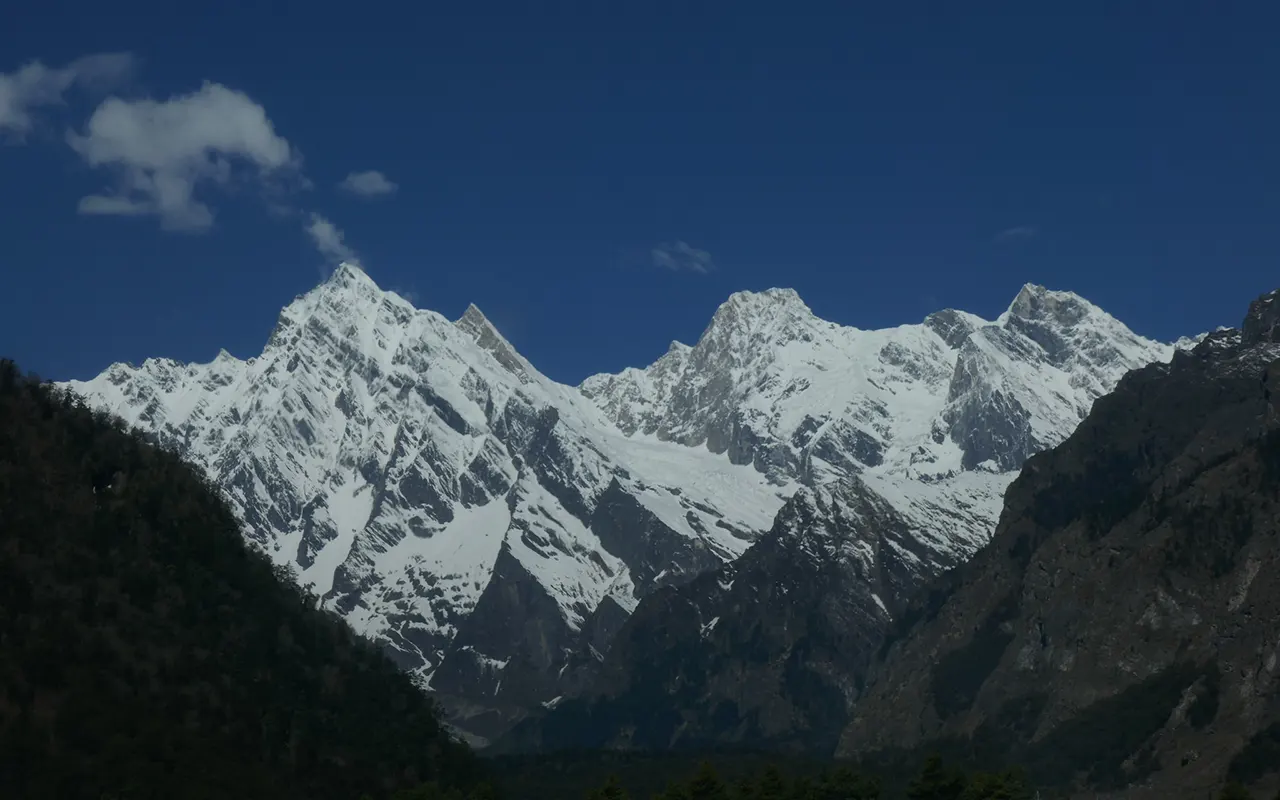
The weather during these months is mild during the daytime, but nights are still cold, as Lhasa is high up (3,650 m / 11,975 ft). Autumn and spring are particularly desirable as the air is clear, and the mountain scenery is clear.
Summer is a bit warmer and greener, although some rain may fall. It is colder in winter, and there are fewer tourists, and temperatures may reach below freezing. When selecting the correct season, it can assist you in more comfortable sightseeing and traveling during your trip.
Foods and Drinks
Food in Tibet Lhasa tour is simple, warm, and befitting high altitude touring. At Lhasa (3,650 m / 11,975 ft), there is a combination of Tibetan and simple Chinese food.
The typical meals consist of rice, noodles, soups, and vegetable meals. There are also traditional Tibetan cuisines like tsampa, yak meat, and butter tea. Butter tea is salty and serves to warm the body during cold weather.
Most restaurants and hotels provide hot food that is readily digestible. The city is also easy to locate tea, coffee, and bottled water. Enough water should be consumed during the trip to maintain hydration at higher altitudes.
Altitude Sickness
Another aspect that should be checked during a Tibet Lhasa tour is altitude sickness, since Lhasa is already at 3,650 m (11,975 ft. There is less oxygen in the air at this height, and it takes time to adapt to it.
Some people might experience mild side effects such as headache, fatigue, or shortness of breath. In order to mitigate the risk, it is essential to get a good rest upon arrival and take it easy on the first day.
Your body can also acclimatize by drinking lots of water and taking light meals. Travelers can adjust within a day or two, provided that they do it gradually. Himalayan Pathways guides offer simple guidance and assistance in the journey.
Preparation and Fitness
With good preparation, you will be able to have fun during your Tibet Lhasa tour. As Lhasa is at 3,650 m (11,975 ft), you must be prepared to deal with high-altitude conditions.
Fitness is not really required, but a minimum level of fitness and health is beneficial. Your body can be ready with simple exercises during pre-trip walking or light exercises.
Warm clothes should also be packed in, as it is possible that the temperatures can fluctuate rapidly. The journey can be accompanied by comfortable shoes, sunscreen, and personal medicine. Being physically and mentally fit will enable you to sightsee without stress.
Visa and Permits
A Tibet Lhasa tour needs adequate visa and permit arrangements. Besides a Chinese visa, you will require a Tibet Travel Permit to enter Lhasa (3,650 m / 11,975 ft).
This license is normally organized by a registered travel agency such as Himalayan Pathways. An inclusive Tibet Lhasa tour package usually has all the permit arrangements to enable a traveler to have an easy time.
You should also ensure that you offer your passport information before time so that your permits can be ready in time. To help in planning these documents in order to get into Tibet with ease, Himalayan Pathways will help.
Health and Safety
Health and safety are matters of concern during a Tibet Lhasa tour, owing to the elevated height of Lhasa (3,650 m / 11,975 ft). The air is less dense, and therefore, there is a need to have time to rest and acclimatize on arrival.
The vast majority of travelers have no problems, and only a few of them can have some minor symptoms such as a headache or fatigue. On the first day, heavy activity, light meals, and consumption of enough water can be used to alleviate the discomfort.
Lhasa has basic medical facilities, which might be less than those of big cities. Personal medicine is good to carry, and simple safety tips should be followed during the trip. Being alert and ready will assist in making a safe and comfortable ride.
Transportation
A Tibet Lhasa tour will have smooth transportation that will be comfortable for the traveler. The majority of movement within Lhasa (3,650 m / 11,975 ft) and the surrounding area is by private vehicle.
City and major routes have generally good roads, and traveling between the attractions is easy. The journey on the routes is taken by experienced drivers to make sure the journey is safe and comfortable.
A Lhasa Tibet tour usually covers all the transportation on land, so there is no need to make any arrangements independently. This simplifies traveling and enables one to concentrate on sightseeing and enjoy the ride.
Travel Insurance
Travel insurance is very advisable for a Tibet Lhasa tour because of the remote and high-altitude situation of Lhasa at 3,650 m (11,975 ft). It gives backup in case of unforeseen circumstances on the trip.
An effective insurance must cover medical requirements, delays in trips, and emergency evacuation in case of need. This is particularly relevant in high-altitude regions, as the health conditions may vary rapidly.
When you are going to high-altitude areas, ensure that your insurance policy covers high-altitude areas. With adequate insurance, it is a relief, and it assists you to travel fearlessly during the journey.
Alternative Routes
The Tibet Lhasa tour can be planned in various ways based on your mode of traveling. You can reach Lhasa at (3,650 m / 11,975 ft) by both air and road from nearby regions.
Some tourists opt to fly straight to Lhasa to make a faster trip. Some choose an overland path from Nepal, which has a slow increase in altitude and also provides scenic beauty on the way.
An entire Tibet Lhasa tour package can have varying route choices to suit your time and comfort. The selection of the proper route assists you in enhancing your travelling experience.
Your Extra Expenses
When doing the Tibet Lhasa tour, one should have some personal money in case of any personal expenditure. Although most of the services are included, certain charges are paid separately in Lhasa (3,650 m / 11,975 ft).
Additional costs can be drinks, snacks, personal shopping, and optional activities. Some places may also impose charges on such services as Wi-Fi, laundry, or charging devices.
Bringing local money is useful to make small purchases. The benefits of budget planning before you go on the trip are to ensure that you can comfortably manage your expenses.
Language and Communication
A Tibet Lhasa tour can be very easy with some basic preparation. The primary language in Lhasa is Tibetan and Mandarin Chinese is also widely spoken.
Hotels and guides speak English although they might not be predominant in local markets or small stores. During your visit, it can be useful to know a few basic words or translate using apps.
Guided tours are usually accompanied by English-speaking guides, and thus, they find it easy to communicate. This aids you in comprehending local culture and having a better travel experience.
Mobile Network, Internet, and Gadget Charging.
There is internet and mobile connection in a Tibet Lhasa tour but at some points it might be limited. Most hotels offer Wi-Fi in Lhasa (3,650 m / 11,975 ft) with the speed depending on where they are located.
The city has mobile networks and it is possible to use local SIM cards to make calls and access data. In remote localities or when out of town, network coverage might not be as strong.
Most hotels will allow you to charge your devices although in some locations they may charge you an additional fee. You should also have a power bank to be able to charge your devices throughout the day.
Don’ts of This Trip
When visiting Tibet, Lhasa Tour, it is better not to violate the local culture and to adhere to simple rules. At Lhasa (3,650 m / 11,975 ft), it is best not to touch religious objects without asking, and never walk anti-clockwise around temples and prayer wheels.
Do not make pictures in monasteries where they are not allowed, and do not distract monks or local people who are praying. Littering and damaging natural and cultural places should also be avoided.
These few rules can preserve the respect for local traditions and guarantee an enjoyable and easy journey.
Is the Trip Beginner-Friendly?
A Tibet Lhasa tour can be taken by beginners, provided good care is taken. Lhasa (3,650 m / 11,975 ft) is at a high altitude, and tourists should be aware of simple health care measures.
It is not a strenuous trip, and the majority of sightseeing is done by vehicle and walking. This renders it easy to use by travellers who have a moderate fitness level.
With the right planning and encouragement, beginners will be able to enjoy the tour. The most important thing in a successful trip is to take time to relax and adapt to the altitude.
Trip Extension
A Tibet Lhasa tour may be incorporated with additional destinations, which will depend on your time and interest. Starting at Lhasa (3,650 m / 11,975 ft), you can explore the nearby areas to have more experiences.
Some of the commonly used extensions are to other cultural sites, lakes, or mountain ranges in Tibet. These extensions will enable you to cover more scenery and home customs.
An organized Tibet Lhasa tour package with Himalayan Pathways can be extended with optional tours to complete your trip. Traveling an extra day can provide you with a more in-depth experience.
Photography and Drone Regulations.
During a Tibet Lhasa tour, photography is permitted in most of the outdoor locations, though there are some limitations. Photography within monasteries is generally restricted, or permission is needed in Lhasa (3,650 m / 11,975 ft).
One should also adhere to local regulations and not take pictures where not allowed. Never take pictures without permission, particularly of monks or pilgrims.
The use of drones in Tibet is highly regulated, and before using a drone, special permission is needed. Adhering to such rules is a way to prevent misfortunes and have a successful traveling experience.
Cultural Festivals on the Trails
During a Tibet Lhasa tour, cultural festivals are a significant aspect of life. Traditions and religious ceremonies in Lhasa (3,650 m / 11,975 ft) are often associated with festivals.
These activities involve gatherings in monasteries, traditional dances and special ceremonies. They offer an opportunity to observe local traditions and the daily life of people.
It may make your trip even more special if your trip falls on the same day as a festival. Witnessing these events will allow you to learn more about the culture and traditions of the area.
Travel Tips for First-Time Visitors
First time visiting Lhasa can be a memorable experience when you plan to visit it. Lhasa is a city with a high elevation (3,650 m / 11,975 ft), so one should take things slowly when arriving. Before engaging in any heavy activity, allow your body time to get used to it.
Bring warm clothes, as the weather can change easily, even during the day. Sunscreen, sunglasses and a reusable water bottle are also good to carry around. Consuming plenty of water will make sure that you are acclimatized to the elevation.
Also remember to carry your travel documents and follow rules and customs of the place. It is easy to be smooth in your trip with just a bit of planning and awareness.
 Unbeatable Holiday Offers - Save Up to 20% on Your Next Adventure!