notification-icon Unbeatable Holiday Offers - Save Up to 20% on Your Next Adventure!

Manaslu Tsum Valley Trek

duration-1

Duration

20 Days
difficulty-icon1

Trip Difficulty

Moderate
max-altitude

Max. Altitude

5106 Metres
group-size-icon

Group Size

1-25 People
best-season

Best Season

Spring (Apr-May), Autumn (Sep-Nov)
transportation

Transportation

Public Bus
accommodation

Accommodation

Hotel, Teahouses
meals

Meals

Breakfast, Lunch and Dinner
  • Your safety, our no 1 priority
  • Best price guarantee
  • Experienced & dedicated team
  • Easy booking, no hidden charge
  • You can customize this trip
profile-expert

Live Chat 24/7

overview

Trip Overview

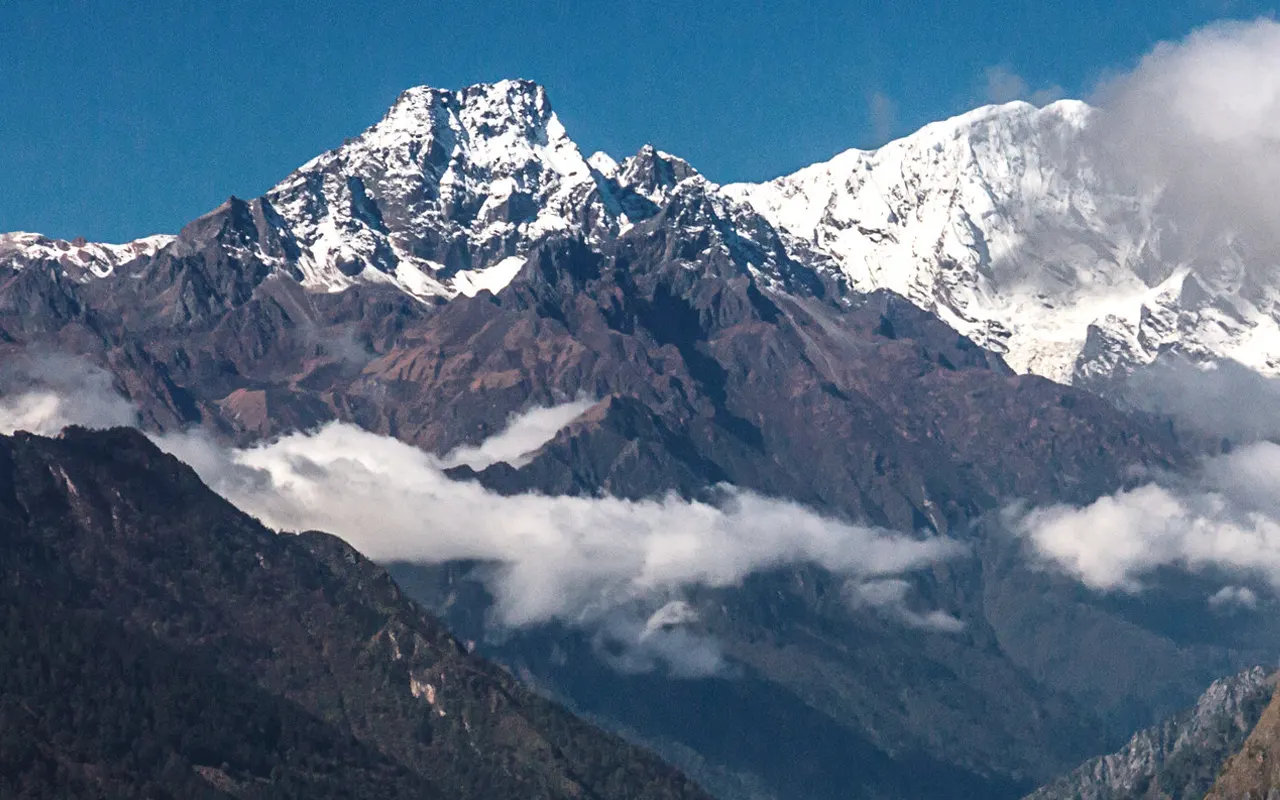
The Manaslu Tsum Valley trek is a mountainous adventure of unbelievable 20 days, which is a combination of both mountain sceneries and cultural immersion. Surrounding the eighth-highest mountain in the world, Mount Manaslu (8,163m), and exploring the remote Tsum Valley close to the Tibetan border, this walk provides a unique chance to discover one of the purest and spiritually fulfilled areas in Nepal.

Tsum is also known as the Hidden Valley, and its ancient Buddhist roots, remote monasteries, and the ancient lifestyle that has not altered much throughout the generations, have made Tsum a famous destination.

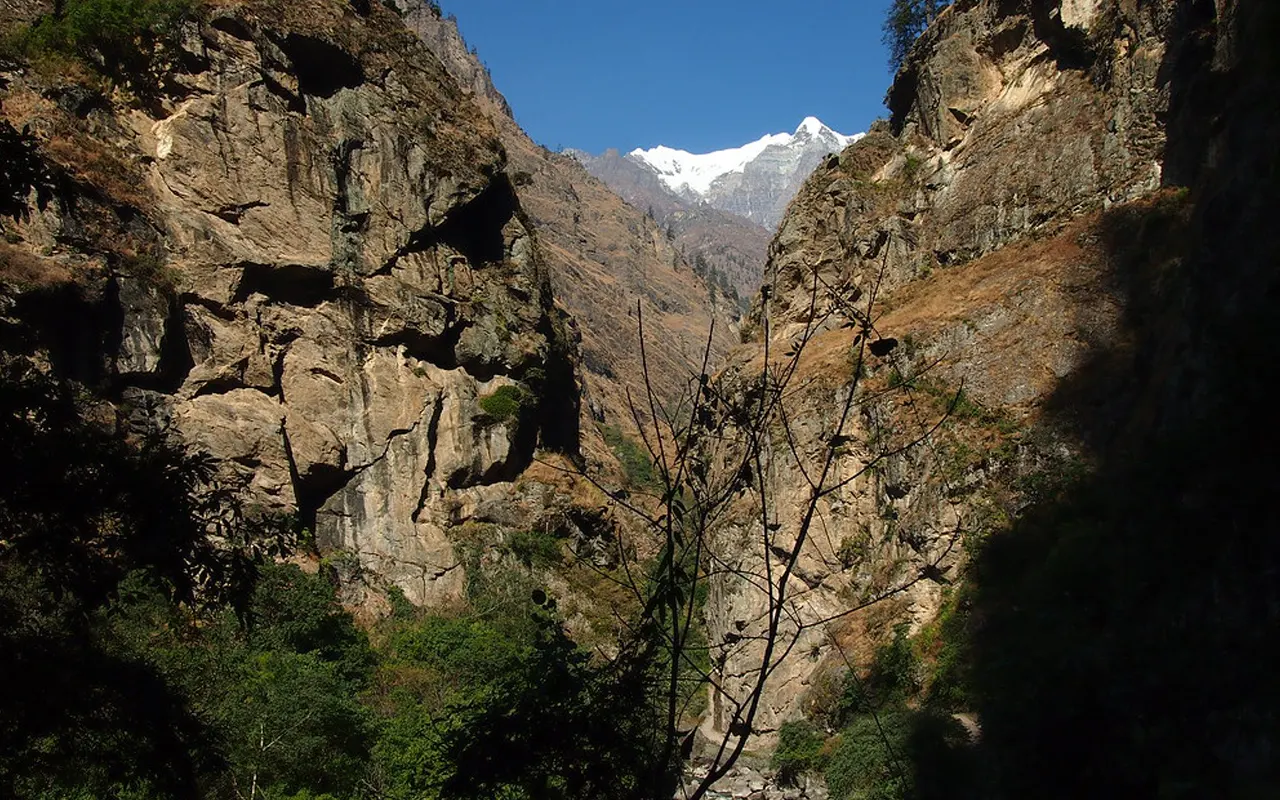
This trek will guide you out of the busy Nepal trekking trails and will provide you with a more Himalayan experience. The path is along the mighty Budhi Gandaki River through the Manaslu Conservation Area, going around swift gorges, roaring cataracts, and thick woods of rhododendron, pine, and oak.

As you advance, the scenery is slowly changing to cold alpine scenery with snow-covered mountains. Travelling on suspension bridges above a raging river and hiking through paths on the cliffs is an excitement and a feeling of adventure to add to each day. Himalayan Pathways will organise everything for you so that you can enjoy this trek to the fullest without any issues about logistics and arrangements.

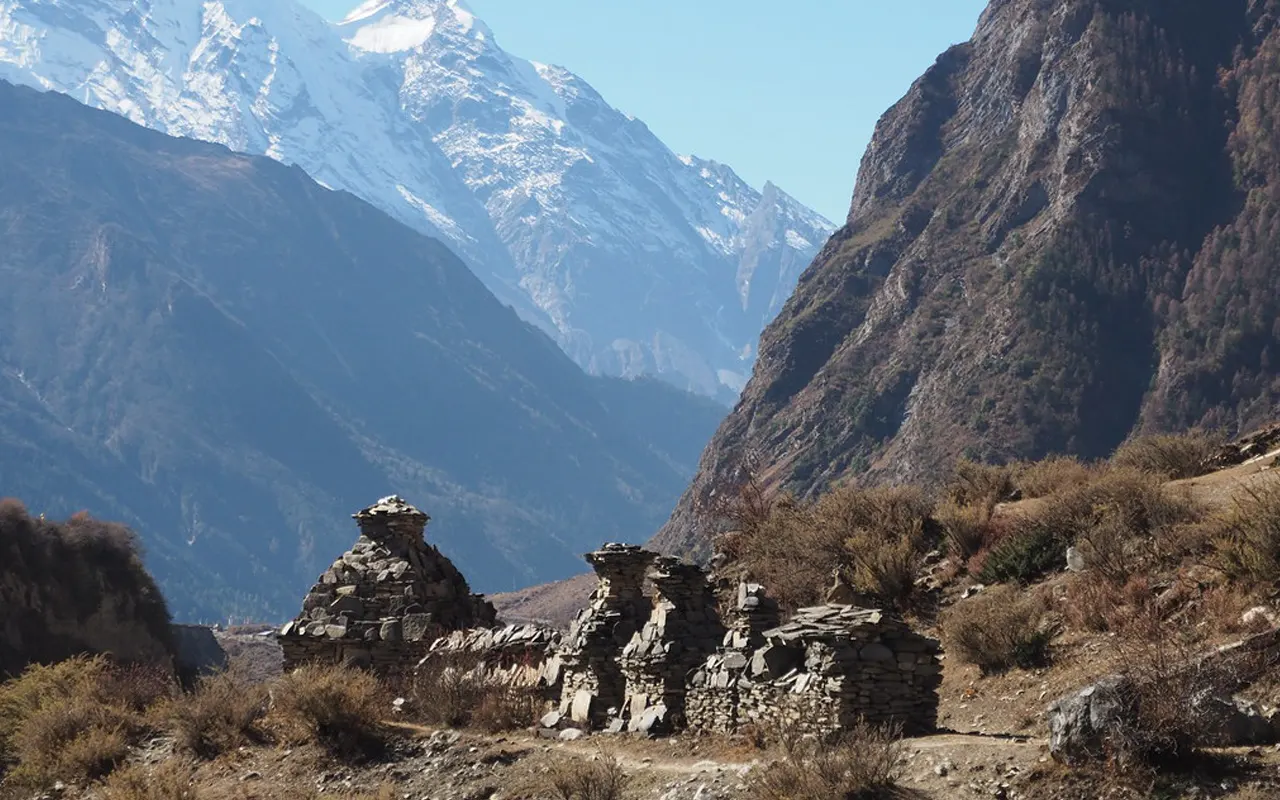
The cultural richness along the path is one of the attractions of the trip. You will cross over traditional Gurung villages and settlements of Tibetan origin, where the tradition of Buddhism influences daily life. The trails are lined up with mani walls, prayer flags, prayer wheels, and chortens, which reflect the strong spiritual background of the region.

The sacred monasteries within Tsum Valley, like Mu Gompa, are a great way to get to know what monastic life entails, and also in the tea-houses with the local families, one experiences intimate closeness and authentic cultural experience.

The Manaslu Tsum Valley trek is strenuous but slow-moving, and this is recommended to anyone who is well-fitted and motivated to go. There is sufficient acclimatisation in the itinerary, which is important because the nights would be spent at an altitude of more than 3,500 meters.

The best and the most difficult part is the crossing of Larkya La Pass (5,106m), where the panoramic sight of Manaslu, Himlung Himal, Annapurna II, and other high mountains will be experienced. It is an experience that is truly memorable, standing at the pass with the fluttering prayer flags and the expansive mountain scenery.

The trek is accompanied by experienced guides and an expert support staff from Himalayan Pathways to provide safety, comfort, and a good interaction with the local culture. It is possible to share tea with monks, stroll with yak caravans up mountain trails, and every day tell one of the stories.

Manaslu Tsum Valley trek is a trek experience that provides an ideally balanced combination of nature, cultural richness, and adventure; thus, making it one of the most enriching off-the-beaten-path trekking experiences in Nepal.

Highlights of Manaslu Tsum Valley Trek

  • Trekking in the peaceful trail in the isolated Manaslu and sacred Tsum Valley.
  • Crossing Larkya La Pass (5,106m) with breathtaking Himalayan 360 ° panoramas.
  • Explore Tibetan Buddhism culture, tour ancient monasteries such as Mu Gompa and Rachen Gompa.
  • Walk along the Budhi Gandaki River on suspension bridges and waterfalls.
  • Witness a variety of scenery, including fertile terraced fields as well as rhododendron forests, and high alpine meadows.
  • Interact with local happy villagers, yak herders, and traditions in remote societies.
  • Magnificent mountain scenery of Mt. Manaslu, Ganesh Himal, Himalchuli, and other snow-white mountain peaks in the trek.
itinerary-icon

Manaslu Tsum Valley Trek Itinerary

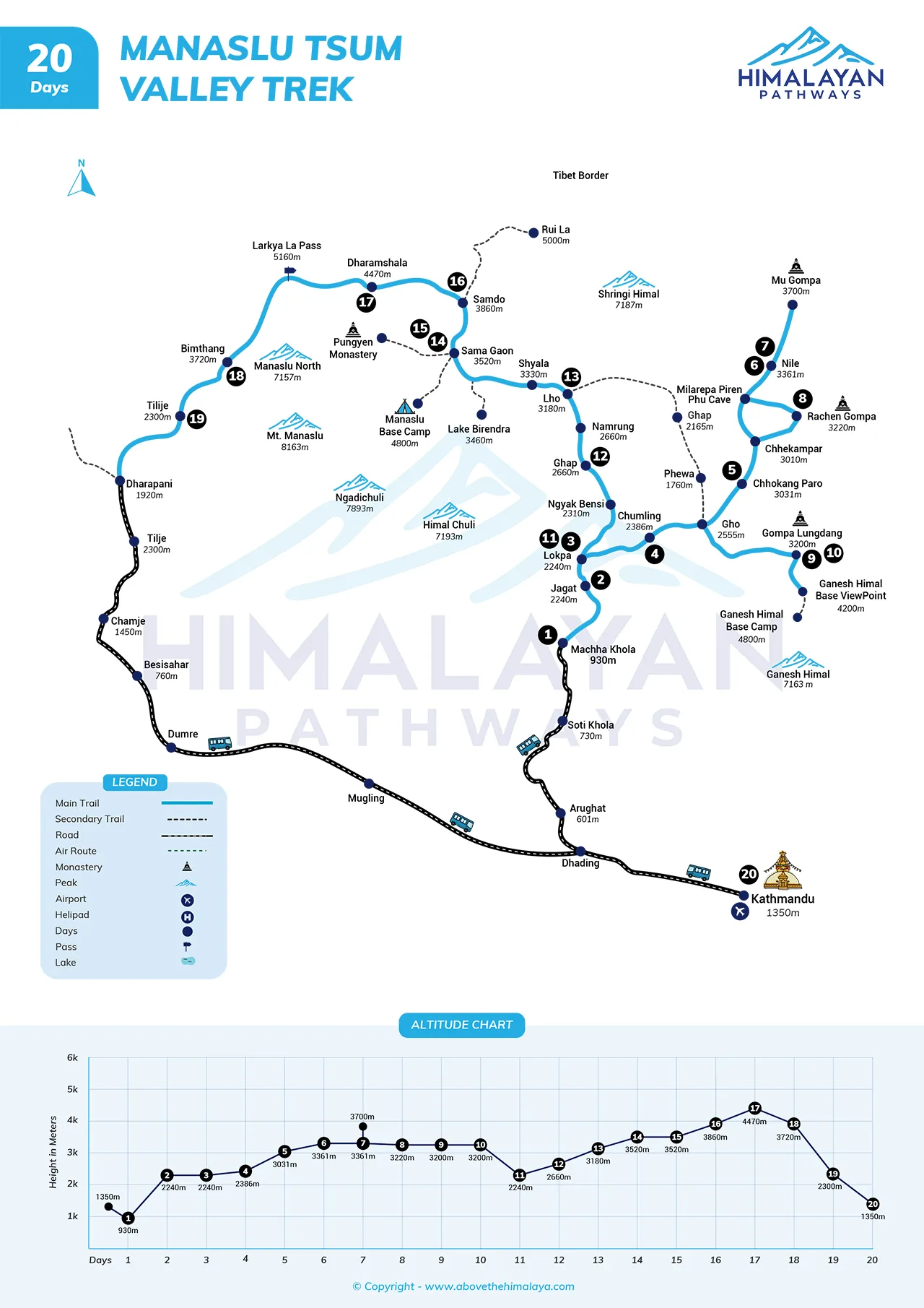
The Manaslu Tsum Valley Trek begin with a drive from Kathmandu to the scenic mid-hills of Nepal, along the Prithvi Highway, then deviating to smaller mountain-based roads. It is a road that follows the Trishuli and Budhi Gandaki rivers, terraced fields, hillside villages, and bamboo and pine forests.

The road is rough at Arughat after a lunch break at a roadside eatery, which gives an off-road adventure feel.

Towards the end of the afternoon, you arrive in Machha Khola (869m), an uninhabited Gurung village on the Budhi Gandaki. Relax in a teahouse, wander around the village a bit, and sleep to the cool murmur of the river.

activity-icon

Activity & Duration

Overland drive, : 7–8 hours drive
altitude-icon

Highest Altitude

869m / 2,851ft (Machha Khola)
meals-icon

Meals

Lunch & Dinner
accommodation-icon

Accommodation

Teahouse

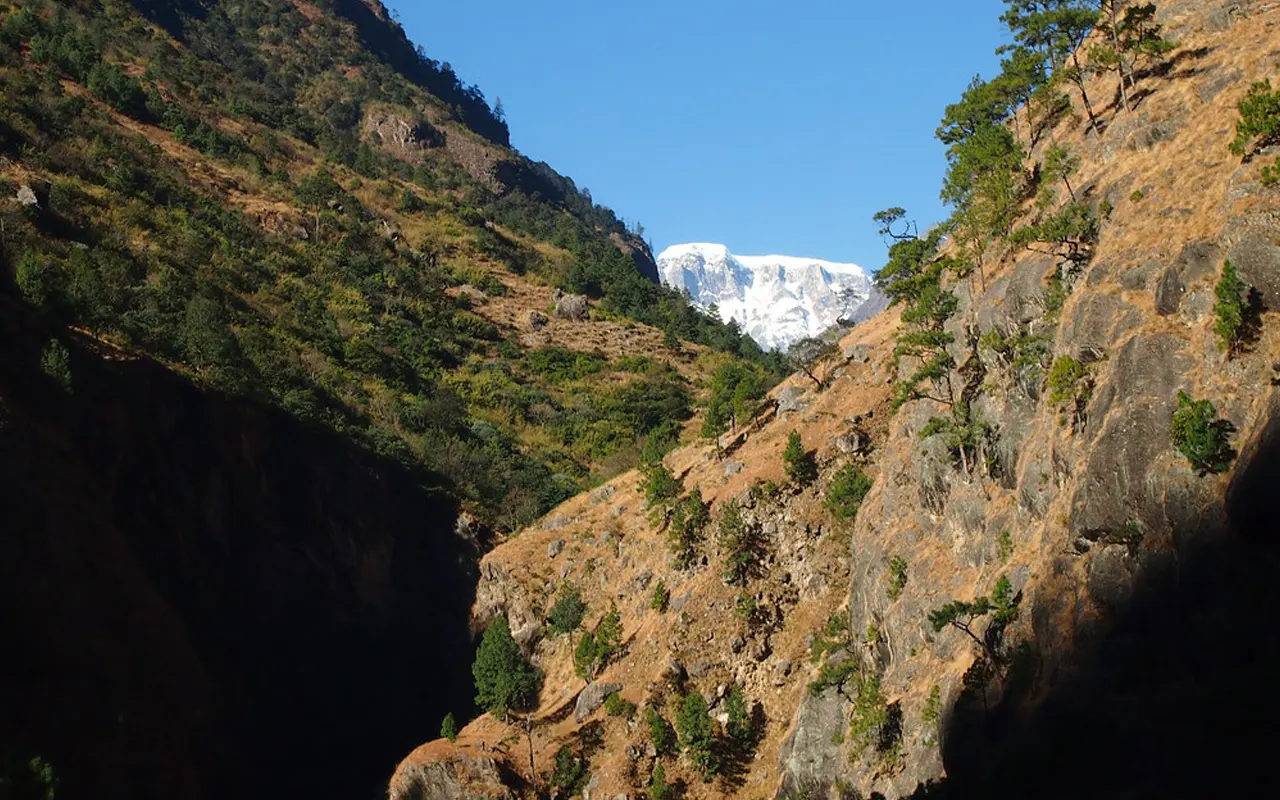
After having breakfast in Machha Khola, you set out on your way, crossing the Budhi Gandaki Gorge, which is a fertile subtropical forest, with small villages such as Khorlabesi, on your way. The trail follows suspension bridges and passes the natural hot springs of Tatopani as it ascends and descends along cliffs and terraced hillsides, and has opportunities to see grey langur monkeys.

Towards the end of the afternoon, you get to Jagat, a stone-paved village and the official entrance to the Manaslu Conservation Area. In this case, permits are inspected, and you sleep the night, which is a significant milestone of the hike to the limited area.

activity-icon

Activity & Duration

Trekking, 6–7 hours
altitude-icon

Highest Altitude

1,340m / 4,396ft (Jagat)
meals-icon

Meals

Breakfast, Lunch & Dinner
accommodation-icon

Accommodation

Teahouse

Now you are out of the main Manaslu trail, and you are on route towards the mysterious Tsum Valley. At Jagat, the steps are paved with stone and go through Salleri and Sirdibas to prayer flags, chortans, that mark an increasing Tibetan Buddhist impact.

Beyond a long suspension bridge, you reach Philim, a big Gurung village, with the wheat and millet fields on all sides. This is where one can have lunch and a permit check to the Tsum Valley.

At Philim, the road splits, and you take the isolated road leading to Tsum. The path is winding through elevated paths over a deep valley, through woods, and a picturesque cataract.

In the afternoon, you arrive at Lokpa (2,240m), the first village of the Tsum Valley, a quiet village with a small number of teahouses and a transparent night sky with stars.

activity-icon

Activity & Duration

Trekking, 5–6 hours
altitude-icon

Highest Altitude

2,240m / 7,349ft (Lokpa)
meals-icon

Meals

Breakfast, Lunch & Dinner
accommodation-icon

Accommodation

Teahouse

The fresh mountain air in Lokpa wakes you, and you start your travel deeper into the obscure Tsum Valley. It begins on a long, sharp walk, through deep wood, winding down to the Siyar Khola.

The trail ascends gradually up through rhododendron, pine, and oak trees, after crossing a suspension bridge very high above the gorge. The valley expands as you grow higher, and you start seeing Ganesh Himal and Shringi Himal in the distance.

In the early afternoon, you have reached Chumling (2,386m), a pretty village with its stone houses, terraced fields, and a little monastery. Explore the village, see prayer wheels and village life, then have a cosy meal at the teahouse as you relax in the comfortable beat of Tsum Valley.

activity-icon

Activity & Duration

Trekking, 4–5 hours
altitude-icon

Highest Altitude

2,386m / 7,828ft (Chumling)
meals-icon

Meals

Breakfast, Lunch & Dinner
accommodation-icon

Accommodation

Teahouse

The trail turns northwards after breakfast in Chumling through pine and rhododendron forest, slowly gaining in elevation. Periodic clearings show the valley and the far Himalaya ranges. The trail ascends steadily all the way across a suspension bridge over the Siyar Khola, leading to Upper Tsum Valley.

The entrance of Chhokang Paro, which is also called Chhekampar, is marked by a long mani wall and prayer flags in colours. This large village is surrounded by barley and pastures, and Tibetan influence is strong with the prayer wheels and flat-roofed houses.

In the afternoon, visit the monasteries in the surrounding or have a rest in the teahouse when it becomes cold in the evening.

activity-icon

Activity & Duration

Trekking, 4–5 hours
altitude-icon

Highest Altitude

3,031m / 9,944ft (Chhekampar)
meals-icon

Meals

Breakfast, Lunch & Dinner
accommodation-icon

Accommodation

Teahouse

Today’s walk takes place through the open flatland of Upper Tsum Valley, where one has a relaxing and spacious walk. The path goes through Lamagaon and Burji, the small villages of stone houses surrounded by mani walls and planted fields. The trekkers are frequently welcomed along the path by smiling locals and children with a gurgling Tashi Delek.

A little diversion takes one to the Cave of Milarepa, a meditation hall that is also a holy place with prayer flags and a small monastery. The trail goes on towards the north after a visit.

Towards noon, you reach Nile, the last permanent village before Tibet. Afternoon is the best time to take rest, explore, and acclimatise in this peaceful spiritual environment.

activity-icon

Activity & Duration

Trekking, 3.5–4 hours
altitude-icon

Highest Altitude

3,361m / 11,027ft (Nile)
meals-icon

Meals

Breakfast, Lunch & Dinner
accommodation-icon

Accommodation

Teahouse

The day is devoted to the exploration of the distant upper part of Tsum Valley. Leaving the Nile, the route goes with the Siyar Khola northwards, ascending slowly through an alpine land that is becoming progressively barren. In a few hours, you come to the largest monastery in the valley, which is called Mu Gompa.

Mu Gompa is situated on a hill, and the surrounding is a large open area and high mountains. Prayer halls on the inside feature old thangkas and provide a perspective into the life of monks. A stroll around the monastery has panoramic views of the valley.

You come down to the Nile after lunch and tea by the same path. This significant cultural event is followed by an evening of rest.

activity-icon

Activity & Duration

Trekking & Cultural Exploration, 5–6 hours total
altitude-icon

Highest Altitude

3,700m / 12,139ft (Mu Gompa)
meals-icon

Meals

Breakfast, Lunch & Dinner
accommodation-icon

Accommodation

Teahouse

It is a relatively easy and quick walk, which serves as an ideal way to immerse into the culture, and today is the result of several days of ascent. Leaving the Nile, you pass smoothly down on the Siyar Khola in muffled valley-pictures. Within a few hours, you get to the Rachen Gompa, which is one of the most significant monasteries in Tsum Valley.

Rachen is a big nunnery that is located in the open grounds, prayer flags, and mani walls. With arrival in the afternoon, a lot of time is devoted to visiting the whole complex, monitoring everyday activity, and even observing the prayer lessons.

The monks are hospitable and can serve tea or talk. The afternoon is free, during which time rest or short walks can be taken. You stay overnight in an environment near the monastery, which is very peaceful and spiritual.

activity-icon

Activity & Duration

Trekking & Cultural Exploration, 1.5–2 hours
altitude-icon

Highest Altitude

3,240m / 10,630ft (Rachen Gompa)
meals-icon

Meals

Breakfast, Lunch & Dinner
accommodation-icon

Accommodation

Teahouse

Leaving Rachen Gompa, the trail winds off southwards, and you start descending out of Upper Tsum Valley. Beyond a suspension bridge, the road passes through forested slopes over Chhekampar to provide a familiar view in an unfamiliar perspective. Fields, hills, and rivers follow the descent.

Several hours later, you get to Gho and have lunch. Here starts a very steep side trail, up through the thick forest to Gumba Lungdang. The climb is challenging, and it rises very fast.

It takes you to the remote Gumba Lungdang monastery, on a high ridge, facing Ganesh Himal, by late afternoon. This is a very memorable Himalayan experience that is characterised by simple accommodation, warm hospitality, evening prayers, and star-filled skies.

activity-icon

Activity & Duration

Trekking, 7–8 hours
altitude-icon

Highest Altitude

3,200m / 10,499ft (Gumba Lungdang)
meals-icon

Meals

Breakfast, Lunch & Dinner
accommodation-icon

Accommodation

Teahouse

It is a tough day during the Manaslu Tsum Valley Trek. Early leaving Gumba Lungdang, you take a yak track up the steep sides of the valley through rhododendron and juniper. Further upwards, the scenery is exposed to alpine meadows and rocky moraines as the air becomes thinner above 4,000m.

The reward is the dramatic close-up view of glaciers and of snowy cliffs upon reaching Ganesh Himal Base Camp. The day is completed, after rest and lunch, by a gradual ascent of the same road back to Gumba Lungdang, much exhausted, but highly contented.

activity-icon

Activity & Duration

Trekking (Day Excursion), 7–8 hours (round-trip trek)
altitude-icon

Highest Altitude

4,800m / 15,748ft (Ganesh Himal Base Camp)
meals-icon

Meals

Breakfast, Lunch & Dinner
accommodation-icon

Accommodation

Teahouse

Leaving the beautiful monastery of Gumba Lungdang, you go down some steep forest paths to Gho, and the Tsum Valley loop rejoins the main highway. The road then follows the river towards some well-known villages, such as Chumling, where one can have a tea or lunch.

The last climb is made over the suspension bridge over the Siyar Khola to Lokpa. It is late afternoon when they arrive at the village, after days in remote Tsum, which makes the village livelier. Take a rest in the teahouse and ponder on the experience through the Hidden Valley.

activity-icon

Activity & Duration

Trekking, 7–8 hours
altitude-icon

Highest Altitude

3,200m / 10,499ft (Gumba Lungdang)
meals-icon

Meals

Breakfast, Lunch & Dinner
accommodation-icon

Accommodation

Teahouse

At Lokpa, the main Manaslu Circuit path is again taken, and the Budhi Gandaki is followed through the bamboo, pine, and oak forests. The path leads to Nyak Phedi and then to Deng, where one can have a brief rest.

North of Deng, the road leads to a ravine where drops of water have cascaded down swift cliffs. Going over bridges and mani stones, you arrive in the silent village of Ghap in the afternoon. It is a peaceful overnight destination that consists of simple lodges and a serene environment.

activity-icon

Activity & Duration

Trekking, 6–7 hours trekking
altitude-icon

Highest Altitude

2,397m / 7,864ft (Ghap)
meals-icon

Meals

Breakfast, Lunch & Dinner
accommodation-icon

Accommodation

Teahouse

The trek today is culture-enriched and broad mountain scenery. On leaving Ghap, the path ascends slowly through woods along the Budhi Gandaki, crossing Namrung, which is a culturally rich village with chortens, prayer flags, and Tibetan houses.

Further down the valley, farmland and villages like Lihi and Sho face the valley. There are many walls along the trail, and the first view of Mt. Manaslu. It is afternoon, you reach Lho, a beautiful village, topped by Ribung Monastery.

activity-icon

Activity & Duration

Trekking, 7–8 hours
altitude-icon

Highest Altitude

3,180m / 10,433ft (Lho)
meals-icon

Meals

Breakfast, Lunch & Dinner
accommodation-icon

Accommodation

Teahouse

The light in the morning and Mt. Manaslu are a memorable beginning. The road is a smooth climb along pine and rhododendron forest, up to Shyala, an open meadow village, with glorious panoramic views of the surrounding mountains.

Shyala, then, has great expanses of grazing ground leading to Samagaon. You come early and find a big village established under the north face of Manaslu. Afternoon can be spent sightseeing at Sama Gompa, Birendra Lake, or just taking a nap before higher altitude days.

activity-icon

Activity & Duration

Trekking, 4–5 hours
altitude-icon

Highest Altitude

3,520m / 11,549ft (Samagaon)
meals-icon

Meals

Breakfast, Lunch & Dinner
accommodation-icon

Accommodation

Teahouse

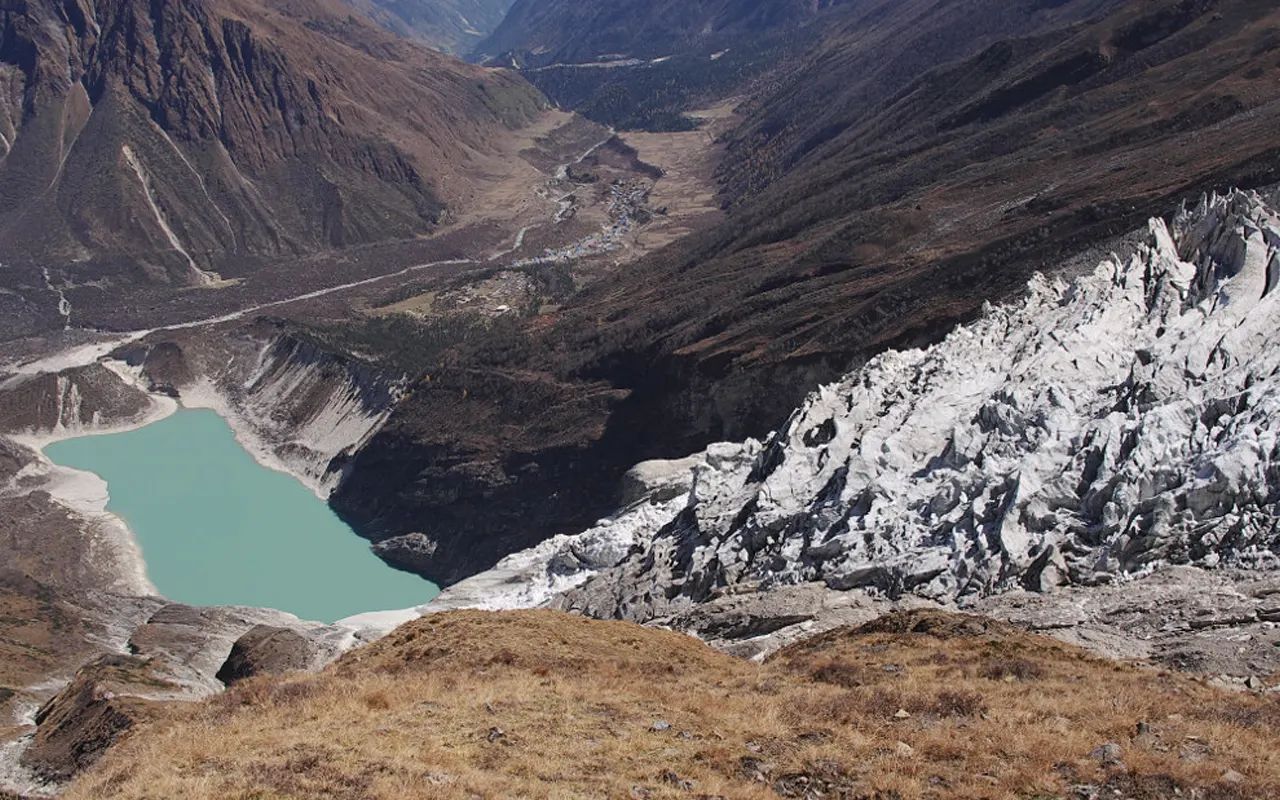
The safe acclimatisation requires a rest day in Samagaon. A favourite side hike undertaken by many trekkers is to climb further to Birendra Lake and the rocky moraine to get close-ups of the glaciers.

To take it easy, ascend to Pungyen Gompa of approximately 4, 000m which has serene environments with beautiful landscapes. Or, sleep in the village, watch life, and be well-hydrated. This day is a preparative to the high pass to come.

activity-icon

Activity & Duration

Rest and Exploration
altitude-icon

Highest Altitude

4,800m / 15,748ft (Samagaon)
meals-icon

Meals

Breakfast, Lunch & Dinner
accommodation-icon

Accommodation

Teahouse

The walk of today is short and picturesque, following acclimatisation. Your path takes you over a stream and through the pastures of the yaks, and behind you, Manaslu towers up. The landscape becomes open and thins out, becoming alpine in its trees.

You cross the upper Budhi Gandaki before finally climbing onto Samdo, a small village close to the Tibetan border. You may come early, see the village or the ridges around it, and get some sleep before the next crossing of the high pass.

activity-icon

Activity & Duration

Trekking, 3-4 hours
altitude-icon

Highest Altitude

3,875m / 12,713ft (Samdo)
meals-icon

Meals

Breakfast, Lunch & Dinner
accommodation-icon

Accommodation

Teahouse

This day’s walk is a good way of warming up to cross Larkya La Pass. Leaving after breakfast, the road takes a long, gentle turn down by a bridge over the Budhi Gandaki and steadily up an empty, high valley. The vegetation turns sparse with alpine grasses and rocky terrain taking the place.

Pacing across, you have an attractive sight of Larkya Peak and Cheo Himal. Just the end of the morning, you are at Dharmasala, a small seasonal village at the foot of the pass. Take a nap after lunch; there is very little to do, and the night is chilly. It is an early supper and bed, which prepares you for tomorrow.

activity-icon

Activity & Duration

Trekking, 3–4 hours
altitude-icon

Highest Altitude

4,460m / 14,633ft (Dharmasala (Larkya Phedi))
meals-icon

Meals

Breakfast, Lunch & Dinner
accommodation-icon

Accommodation

Teahouse

It is the most challenging and at the same time the most rewarding day of the trek. At sunrise, you begin with headlamps on a rocky path by the Larkya Glacier. At sunrise, amazing sceneries of Manaslu, Himlung, and Cheo Himal are presented. The last climb to the pass is tedious and tiresome because of the thin air.

Prayer flags signal the top at Larkya La Pass, and the reward is the panoramic mountain views, which justify the work. Having had a little rest, you pass by scree and potential snow very slowly. The vegetation slowly comes back, and you find yourself at the beautiful meadow of Bhimthang, which offers you a well-deserved rest.

activity-icon

Activity & Duration

Trekking (High Pass Crossing), 8–9 hours
altitude-icon

Highest Altitude

5,106m / 16,752ft (Larkya La Pass)
meals-icon

Meals

Breakfast, Lunch & Dinner
accommodation-icon

Accommodation

Teahouse

Following the high pass crossing, today is quieter as you drop into more verdant scenery. Leaving Bhimthang, have breakfast, seeing views of Manaslu and Punggen Himal, and move downhill through alpine meadows.

The path goes to the thick pine and rhododendron woods, full of birds and mountain voices. Going through tiny villages and terraced fields, you realise that with each step, the climate gets warmer.

The road is then left at Kharche, where there is a break at a Gurung village called Tilje in the Annapurna Conservation Area. Welcoming lodges and easy ambience make this an ideal last night on the trail.

activity-icon

Activity & Duration

Trekking, 5-6 hours
altitude-icon

Highest Altitude

3,590m / 11,778ft (Bhimthang)
meals-icon

Meals

Breakfast, Lunch & Dinner
accommodation-icon

Accommodation

Teahouse

Today is your last day on the trekking journey, and you will be taken to Kathmandu in a scenic drive. Breakfast over, you take the jeep or vehicle up to Tilje to the roadhead at Dharapani or Besisahar.

Starting there, the road leaves the Marsyangdi River through fertile hills and traditional villages to become part of the Prithvi Highway. In between, there will be varied scenery and a leisurely ordeal with a meal at a highway diner.

In the evening, you reach Kathmandu, where you are transferred to the hotel. Hot showers, a cosy bed, and urban luxury are particularly satisfactory following a week of mountain living.

activity-icon

Activity & Duration

Overland drive, 8–10 hours drive
altitude-icon

Highest Altitude

1,400m / 4,593ft (Kathmandu)
meals-icon

Meals

Breakfast & Lunch
accommodation-icon

Accommodation

Hotel
inclusion-icon

Price Includes and Excludes

What is included?

  • Private vehicle pick-up and drop-off in Kathmandu at the airport.
  • Jeep transport from Kathmandu to Machha Khola and Tilje /Besisahar.
  • All the necessary permits, such as Manaslu RAP, Tsum Valley RAP, MCAP, and ACAP.
  • All board meals (breakfast, lunch, and dinner) on the trek, including 3 cups of tea/coffee each day.
  • Teahouse room accommodation for 16 nights and accommodation in monasteries in the Tsum Valley.
  • Certified English-speaking professional trekking guide throughout the trip.
  • Porter service (1 porter to 2 trekkers, and 15 kg/ per trekker)
  • Guide and porter wages, meals, insurance, accommodation, and logistics.
  • No hidden expenses on taxes, VAT, and service fees by the government.
  • Sleeping bag and a high-quality down jacket of high quality to be used on the trek.
  • A trekking duffel bag will be supplied as luggage carried by porters.
  • Poles to use on the trekking trail are on demand.
  • The guide carries a first aid kit, a pulse oximeter, and emergency oxygen.
  • Each will have water purification pills and a reusable water bottle.
  • Detailed trek map, itinerary, and help in trek documentation.
  • Safety lock-up of the luggage in our Kathmandu office throughout the trek.
  • Welcome dinner, cultural show, and farewell dinner in Kathmandu.

What is not included?

  • International airfare to and from Kathmandu
  • The Nepal visa fee should be paid on arrival at the airport.
  • Hotel accommodation and meals in Kathmandu, including dinners and lunches.
  • Personal costs, like snacks, drinks, showers, Wi-Fi, charging, and laundry.
  • Individual trekking equipment, such as boots, layers of clothing, backpacks, and accessories.
  • High-altitude trekking and emergency evacuation travel insurance.
  • Tips to staff, porters, drivers, and guides.
  • Additional expenses as a result of delays, weather, illness, or unexpected conditions.
  • Tourism site entry fees in Nepal
  • Souvenirs, activities that are optional, itinerary alteration, or exit cost.
  • Anything else not mentioned in the inclusion list.
trip-info-icon

Trip Information

How Difficult Is the Manaslu Tsum Valley Trek?

Manaslu Tsum Valley is a moderate to difficult trek due to the length of the trip, extreme elevation, and isolated location. Trekkers will take a few hours of mountain walking on the rugged mountain paths with uninterrupted ascents and descents, and a tread path on the gorges towards narrow pathways.

The greatest difficulty is the altitude, since the trail makes its way above 3,500m and the highest elevation is at the Larkya La Pass (5,106m), which requires excellent endurance because of thin air and cold and windy weather.

Technical abilities are not necessary; however, good fitness is essential. Even first-time trekkers who are fit with proper acclimatisation, steady pace, and guidance can follow through with the trek and appreciate the breathtaking scenery and culture of the region.

Weather and Best Season

The best season of the Manaslu Tsum Valley trek is spring (March-May) and autumn (September-November). The weather is usually favourable during such times with a clear sky and moderate temperatures. The spring is marked by the flowers of rhododendrons, by green valleys, and fairly pleasant days, except that nights in the higher altitudes are very cold but bearable.

Autumn in particular is very popular because of the cool air and the clear view of the mountains. The weather is fine on trekking days, and the impressions of Manaslu and the other mountains are frequently clear. Cultural diversity is also brought to the trip, as this is the season of significant Nepali festivals.

Monsoon (June-August) is not the best season as it is very wet, the trails are very slippery, and most of the time, the trail landslides cause the Larkya La Pass to be blocked, whereas winter (December-February) is very cold, and the pass is normally covered with lots of snow. In terms of combining the weather, safety, and the scenery, spring and fall are highly suggested.

Food and Drink

Food in the trek is offered in the local teahouses and is basic, cosy, and satisfying. Dal bhat is an affordable and popular food that offers a lot of energy, and it is also free to refill. There are also noodles, fried rice, potatoes, momos, porridge, pancakes, and eggs.

At Tsum Valley and other elevated places, you can as well enjoy local foods such as thukpa, tsampa, and yak dairy products. Totally vegetarian food is a lot safer and is more prevalent. Hot beverages include tea, ginger, lemon, honey, and coffee, which will keep you warm and hydrated.

This is necessary with safe drinking water. Purified or boiled water should be used, and it is advisable to carry purification tablets or a filter. Eating right and staying hydrated are significant in showing the trek and ensuring your energy levels are high at high altitude.

Altitude Sickness and Recommendations.

One of the main factors in the Manaslu Tsum Valley trek is altitude sickness (AMS), as the trail will include multiple stays with altitudes above 3,500m and the 5,106m Larkya La Pass.

The most common mild symptoms are headache, nausea, dizziness, lack of appetite, and insomnia. It requires proper acclimatisation, which is why the itinerary contains gradual ascents and rest days, and one of them is the acclimatisation day at Samagaon.

The best preventive mechanisms include slow walking, maintaining high fluid intake, proper nutrition, and avoiding alcohol and smoking. Never ignore your body and report to your guide in case you are feeling unwell.

When the symptoms become complicated, the safest answer would be to cease climbing and go back to a lower height. Our guides are equipped to identify AMS and keep track of oxygen, as well as react promptly.

Being patient, conscious, and at the appropriate speed, the majority of trekkers adapt successfully and enjoy the high Himalayan setting in a safe manner.

Preparation and Fitness

Proper planning is very helpful in the process of the Manaslu Tsum Valley Trek. Start training at least 8-12 weeks before the trek, emphasising cardiovascular fitness by means of such activities as hiking, jogging, bicycling, or climbing stairs.

Working on your legs will assist in hiking long distances, ascending mountainous areas, and rough paths. Hiking with a backpack is particularly beneficial in practice to represent the real conditions.

It is also important to be psychologically prepared. The trek is through isolated regions where there are basic amenities, and thus flexibility and patience are imperative. With the help of preparation at both the physical and mental fronts, you will be able to enjoy the landscapes, culture, and rhythm of the Manaslu Tsum Valley trek without fear.

Visa and Permits

To hike in the Manaslu and Tsum Valley area, you require a legitimate Nepal entry visa and trekking permits. The visa is easily acquired by most travellers at Tribhuvan International Airport or at the land borders of Nepal. Make sure your passport has at least half a year to the date of entries, and should also bring a passport-sized photograph to do this.

Due to the restricted nature of Manaslu and Tsum Valley, it is not possible to do the trek alone. You have to hike with an agency registered like Himalayan Pathways as well as a licensed guide.

Both Manaslu and Tsum Valley have special restricted area permits, and Manaslu and Annapurna are conservation areas, also with conservation area permits. Such permits assist in controlling tourism and aid the local conservation process.

The Himalayan Pathways will take care of all the necessary permits. All you need to give is your passport information and pictures. Throughout the trek, you pass through numerous checkpoints where permits are checked, and all the formalities are handled by your guide, making the trek absolutely hassle-free.

Health & Safety

The Manaslu Tsum Valley trek will be the best place to have our priorities about our health and safety. All of our guides are first-aid certified and have gone through high-altitude trekking and therefore, can detect the symptoms of altitude sickness and other related health issues within a short time. A simple first aid kit will be carried, and the trekkers should carry personal medications that they may need.

In the grid, the start of safety is in pacing. We will be walking at a comfortable pace, which is steady and has frequent rest intervals to rehydrate and restore energy levels. Trails may be very narrow and steep; hence, it is important to remain on the marked trails and also obey what your guide tells you to do. Additional precautions are exercised over yaks or mules that pass through narrow tracks.

Hygiene is important in maintaining good health. Drink boiled or treated water, consume freshly cooked dishes, and do not consume raw food at high altitudes. Wash your hands and use hand sanitiser, particularly before taking meals. The remote regions have very limited medical facilities; prevention is important.

Guides carry communication gadgets and oxygen assistance in case of an emergency. The weather conditions are observed attentively, and the itineraries could be changed on a safe basis. With knowledge and advice, you may have a very secure and satisfying trekking experience.

Transportation

The Manaslu Tsum Valley trek is not accessible by aeroplane, and it can only be reached by means of overland transportation. We also hire a 4×4 jeep, privately, from Kathmandu to the beginning of the trip to the trailhead, which is typically Machha Khola or Soti Khola, depending on the road conditions.

By using a personal vehicle, one can have a more comfortable ride, have the freedom to make stops during the trip, and travel less, risking going on the uneven mountain roads. The drive occupies the better part of the day and involves not only tarmac roads but also rough off-road tracks, particularly after Arughat.

The trek is completed by arranging transport at the end of the trek from Tilje or Dharapani to Kathmandu. This will entail a jeep ride to Besisahar, after which a more comfortable vehicle will be transferred to continue the ride. This can also be arranged in case you intend to stay in Pokhara.

Travel Insurance

The Manaslu Tsum Valley trek needs travel insurance because of its remote location and high altitude. Emergency medical care and evacuation should also be included in your policy at least to 6,000 meters because the trek runs through elevated passes, and medical services are not easily available.

Emergency evacuation may be required in the form of helicopters in the event of severe illness/injury, hence adequate cover is of utmost importance.

Ensure that your insurance covers high-altitude trekking in Nepal because most insurance policies usually have altitude cutoffs. It must also include hospitalised care, delay of trips, cancelation as well as baggage and trekking equipment loss.

Bring your insurance details and the contact details of an emergency contact before the trek. We are going to gather such information beforehand so that we can easily coordinate in case of urgency. The right insurance will enable you to trek without any worry and enjoy the whole experience without distractions by being sure you are ready to deal with the unexpected.

Alternative Routes

The Manaslu Tsum Valley trek is a trip that is already a combination of adventure and culture; however, there are some alternative paths depending on the time, fitness, and interest.

Another one is the Manaslu Circuit trek (excluding Tsum Valley), which is not so long and includes the dramatic gorges, mountainous landscapes, and the difficult Larkya La Pass.

The Tsum Valley trek is also another option and is well-suited to those trekkers who are interested in cultural immersion as opposed to crossings across the highlands. This path is an insight into remote areas of Tibetan-inspired villages, monasteries, and holy scenery.

Experienced trekkers with more time can continue with the Manaslu Circuit towards the Annapurna region or incorporate the remote Nar Phu Valley into the trip and make it more adventurous. All the alternatives have their own Himalayan experience.

Your Extra Expenses

Although the Manaslu Tsum Valley trek package includes key essentials, trekkers are advised to spend on personal costs. Before and after the trek, accommodation and meals are not included in Kathmandu.

All the meals and accommodation during the trek are included, but additional services like soft drinks, tea, coffee, snacks, bakery items, alcohol, and hot showers are not included. Electric charging of gadgets and Wi-Fi usually involves an extra charge in teahouses because of inadequate solar power.

The porters and guides receive tips, as it is an expected custom. You can also purchase the local handicrafts or souvenirs. The trail has no ATMs, and that is why it is important to carry sufficient cash.

Language & Communication

The Manaslu Tsum Valley trek involves culturally different areas with different languages. Nepali is spoken in Kathmandu, and English is commonly spoken in the tourism industry.

On the road, particularly in Nubri and Tsum Valley, the communities are of Tibetan descent and speak dialects based on the Tibetan language, like Tsumke and Nubri. These are primarily spoken languages, and Nepali is a trade and official language.

Younger villagers speak Nepali and some English; older villagers and monks speak more Tibetan dialect. The guides can speak both English and Nepali and assist in translation and local communication.

Even the most basic greetings, such as Namaste in Nepali or Tashi Delek in Tibetan, are very welcome and can lead to establishing good relations with people.

Mobile communication can be done, although to a limited extent. The coverage of Nepal Telecom (NTC) is usually superior to Ncell, and at times, there are signals in villages such as Jagat, Namrung, Samagaon, and Samdo. Some lodges have Internet access with satellite Wi-Fi, which is slow and charged.

Internet and Charging Facilities, Mobile Network.

It can be tricky to remain connected in the Manaslu and Tsum Valley area, though, when well planned, it would be possible. The Nepal Telecom (NTC / Namaste SIM) covers the widest area, and it is sporadically available in such villages where Jagat, Philim, Namrung, Lho, Samagaon, and sometimes Samdo are listed.

Ncell does not have any significant coverage further down the line. Mobile signal is generally not available in Tsum Valley, and in high areas such as Dharmasala or on the Larkya pass crossing.

There is low access to the Internet, which is present in certain teahouses using satellite Wi-Fi connections. Such destinations as Namrung or Samagaon can provide Wi-Fi at an additional fee, typically per hour or quantity of data used. It is not a fast connection that can support video calls and intensive browsing, but rather messaging or emails. Connection is to be considered as an addition rather than an anticipation.

Most teahouses have charging facilities that are powered by the sun or generators. It is typically paid on a per-device basis, at a higher price at the high-altitude. Power is not on-demand and it might be limited to the dining places. It is highly suggested to carry power banks and spare batteries.

Don’ts in the Manaslu and Tsum Valley Trek.

During trekking in the Manaslu and Tsum Valley area, one should not ignore the traditions of the locals and pay attention to precautionary measures. Please do not disrespect Buddhist customs by going the wrong way around the mani walls and chortens, touching mani stones, or getting into monasteries without first taking off shoes and hats.

Do not take pictures of interiors or ceremonies of a religion without first seeking permission, and dress simply in villages.

Children should not be given sweets, money, or pens, as this will lead to begging. In case you want to assist, do it through local schools or other legitimate sources.

Littering should also be avoided by taking the waste with you and reducing plastic use. Shower soaps and shampoos should not be used in rivers or streams.

Do not go wandering by yourself, do not walk at night, and follow the instructions of your guide in restricted places. Always pay attention to the signs of altitude sickness or fatigue and unnecessary risks of cliffs, bridges, animals, and drones without an official permit.

Trip Extension Options

Most tourists who have finished the Manaslu Tsum Valley trek decide to continue with their trip and have a look at even more of the Nepal experience. Getting in better shape and having more time, why not be able to see more of the country than the mountains?

To get a total change of scene, it is just worth making a brief visit to Chitwan National Park. Have lots of fun in jungles and see wildlife, rhinos, crocodiles, and the culture of local people, the Tharu, in a subtropical environment.

Another extension that is popular is Pokhara, which will provide a lakeside feel, beautiful views of the Annapurna, and good locations to unwind. You can have boat rides, sunrise views, spa, or you can include activities of adventure activities like paragliding, or you can have short treks like Poon Hill or Mardi Himal.

In Kathmandu, you can enjoy the city tours with guided tours, which will show you the UNESCO world heritage sites, ancient palaces and temples, and other colourful cultural sites that will give you the history of Nepal.

White-water rafting, mountain biking, or rock climbing will become an additional adventure, and a yoga retreat or Ayurvedic massages will satisfy the preference of wellness-seekers.

A little walk around, or a picturesque flight to Everest, may complete your Himalayan stay, should you have time. Himalayan Pathways would be glad to add any extension to your schedule and interests.

Cultural Festival along the Trail.

Exploring the Manaslu and Tsum Valley area does not merely comprise dramatic mountain landscapes, but also provides exposure to the living Himalayan culture. When your trek coincides with specific times of the year, you can also observe local festivals, which will provide you with an uncommon potential insight into the traditional life.

The Losar (Tibetan New Year) in Tibetan Buddhist villages of Tsum Valley and upper Manaslu is the most significant celebration, and it normally occurs in the month of February or March. Villages are filled with colourful clothes, monetary prayers, family affairs, and even masked lama dances. Even though winter trekking is exhausting, there are very rewarding cultural environments during the Losar.

Another festival is Dhachyang, held in late autumn in some Nubri villages. Should it occur when you are on a visit, you might witness exciting horse races and village festivals in honour of the harvest season. These are non-formal events which are based on the local timing.

Most of the parts of the path display the Hindu and Buddhist cultures. In autumn, such significant Nepali events as Dashain and Tihar take on small-scale celebrations, blessings, feasts, and evening songs in the far-flung villages.

The timing of these festivals is never assured, but when they occur, they give the trek a significant cultural dimension.

First-Time Nepal Visitors Tips.

Nepal is a warm and interesting destination, and the slightest knowledge would go a long way in ensuring that the first visit is comfortable and pleasing. People in the local area value etiquette- shaking hands as a greeting, Namaste, dressing in modest clothes in towns and religious areas, taking off shoes where necessary, and using your right hand when extending or taking something. Even ordinary signs of respect have to be observed and appreciated.

In Nepal, cash is king, particularly in the non-major cities. Although Kathmandu and Pokhara have a large number of ATMs, there are withdrawal limits, and there are no ATMs at all after entering the trekking areas. Keep little amounts of money to use on day-to-day purchases, snacks, and gratuities, and do not use cards in isolated places.

Negotiating is the rule of thumb in the markets and tourist spots; thus, negotiate and bargain kindly and in a friendly manner. In the city, transportation is stressful, so it is better to settle on a taxi fare beforehand or rely on ride-sharing apps when appropriate, and spend an extra minute because of the traffic.

To stay healthy, use bottled or treated water only, keep your hands clean, and do not eat street food carelessly. Purchasing a domestic SIM card is also cheap and useful for navigation and communication. Lastly, be adaptable and tolerant as Nepal is progressing slowly. The open mind and easy-going attitude will make you fall in love with this country in no time.

faqs-icon

Frequently Asked Questions

reviews-icon

Reviews on Manaslu Tsum Valley Trek

  • Your safety, our priority
  • Best price guarantee
  • Experienced & dedicated team
  • Easy booking, no hidden charge
  • You can customize this trip
profile-expert

Live Chat 24/7