Weather and Best Season
Nagarkot Chisapani Hike can be undertaken all year round, although spring (March-May) and autumn (September-November) are the most favorable months. The weather is normally clear during these months, with the temperatures being mild and good for mountain sightseeing. During spring, rhododendrons are in full bloom in the forests, which provides color to the trail. Autumn is cool, and the Himalayas are seen in the clearest view.
It can also be done during winter (December to February), although mornings and evenings can be chilly, particularly at the higher altitudes such as Chisapani (2,215 m / 7,267 ft). There is monsoon rain (June to August), and trails are wet, and views are less clear, but the landscape is lush and green during summer.
Selecting the appropriate season makes you appreciate the views, comfort, and the whole hiking experience. You can also use the advice of the seasoned teams, such as Himalayan Pathways, to pick the most suitable time depending on your preferences.
Foods and Drinks
The food on the Nagarkot Chisapani Hike is basic, fresh, and nutritious. The trail has most food served in local teahouses and lodges. You will get classic Nepali food such as dal bhat (rice, lentils, vegetables), which is a good source of energy for trekking. Alternatives would be noodles, fried rice, soups, bread, and eggs.
Examples of breakfast include porridge, toast, pancakes, eggs, and tea or coffee. Most of the lunch is taken in small villages like Mulkharka (1,800 m / 5,906 ft), which serves local and simple international cuisine. Dinner is warm and comfortable after a day of walking.
Hot beverages such as tea, coffee, and ginger lemon honey are also readily offered and will keep you warm, particularly in the cold regions such as Chisapani (2,215 m / 7,267 ft). It is also advisable to keep hydrated, and it is therefore highly recommended to drink as much water as possible during the hike.
Altitude Sickness
Altitude sickness is not of much concern on the Nagarkot Chisapani Hike as the altitudes are fairly moderate. The peak, Borlang Bhanjyang Pass (2,430 m / 7,972 ft), is at an altitude below where severe altitude issues tend to arise. Nevertheless, you should keep in mind that you should be conscious of your body and its response to the changes in altitude.
Certain individuals might experience mild effects such as a headache, fatigue and breathlessness, particularly on ascent to elevation. The risk can be minimized by walking steadily, being hydrated and taking frequent breaks.
It is better to spend the night at such places as Chisapani (2,215 m / 7,267 ft) so that your body will acclimatize slowly. In case of any discomfort, rest and fluid intake normally relieve it. All in all, with proper timing and precautions, altitude is not a significant concern during this trek.
Preparation and Fitness
Nagarkot Chisapani Hike is easy and does not involve any high-level trekking skills. Nevertheless, it is worthwhile to have a minimum level of fitness to enjoy the adventure comfortably. These walks take between 4 and 7 hours a day with certain uphill and downhill parts, particularly around Sundarijal (1,460 m / 4,790 ft).
It is also good to train with light exercises like walking, jogging, or short hikes before the trek. The experience will be more enjoyable by building stamina and leg strength. Easy shoes and a small backpack are also needed.
Mental preparation is just as important as physical fitness. It is always better to be prepared for how to make easy adjustments and how to adapt to the changing weather conditions so that you can enjoy the trip. With careful planning, the vast majority of individuals will not have any trouble with this hike and will be able to enjoy the natural beauty on the way.
Visa and Permits
To enter Nepal, the Nagarkot Chisapani Hike participants must have a valid visa. A tourist visa is easily acquired at Tribhuvan International Airport by most visitors, or can be applied for at a Nepali embassy before the visit. It is an easy procedure and needs the passport, photos, and payment of a visa fee.
To do the trek, you require a permit to enter the Shivapuri Nagarjun National Park since the trail cuts through this reserve beginning at Sundarijal (1,460 m / 4,790 ft). This permit may be organized in Kathmandu before the trek.
When you are on a trip with Himalayan Pathways, we will normally take care of all the permit arrangements on your behalf, and the process becomes easier. It is advisable to bring your permits and identification during the trek, as they can be inspected at the entry points within the route.
Health and Safety
Nagarkot Chisapani Hike is usually not dangerous and can be enjoyed by most travelers. The trails are well marked and run through villages and forest cover, and hence are easy to navigate. However, basic safety precautions are still important.
Proper trekking shoes will reduce the chances of falling on stones, particularly on steps that are close to Sundarijal (1,460 m / 4,790 ft). A small first aid kit is also handy in case of minor problems such as blisters or headaches. Good hygiene and clean drinking water prevent stomach problems.
Depending on the time of year, the weather may vary, notably in the higher elevations such as Nagarkot (1,950 m / 6,398 ft) so warm clothing and rain protection are advisable. Guided trekking can involve an additional level of safety and assistance by a guide provided by a reputable organization such as Himalayan Pathways.
The hike can be a safe and fun experience for all with just a few basic precautions.
Transportation
The Nagarkot Chisapani Hike is easy to get to and convenient. The trip often begins with a 1-hour drive from Kathmandu to Sundarijal (1,460 m / 4,790 ft), which is about an hour. This picturesque drive goes along the suburbs of the city and into the hills.
Having finished the hike at Changu Narayan (1,540 m / 5,052 ft), it is a back drive that takes you back to Kathmandu. The most comfortable means of transport is a private vehicle.
There is also the availability of public transportation, but it is not so comfortable or reliable in terms of time. Most trekkers like to travel using organized transport to be convenient.
Travelling with Himalayan Pathways will make the transfers go smoothly so that you can concentrate more on the hiking experience than on logistics. In general, transport is easy, and it contributes to the general ease of the hike.
Travel Insurance
The Nagarkot Chisapani Hike is a trek that is highly recommends using travel insurance, even though it is a short and comparatively easy hike. Insurance gives the mind the relief that there is coverage in case of any unforeseen circumstances, like sickness, accidents, or delays in travel.
Though the highest point of the trek, Borlang Bhanjyang Pass (2,430 m / 7,972 ft), is not very high, it is important to have coverage of the trekking activities. Insurance should cover medical expenses, emergency evacuation, and trip cancellation.
Small problems, such as slips or altitude discomfort, may occur; it is always advisable to be ready. A good insurance guarantees you good treatment without having to worry about expenses.
Make sure that your policy covers trekking in Nepal before you start on your trip. Being properly insured will enable you to have a good journey and concentrate on doing it.
Alternative Routes
The Nagarkot Chisapani Hike can be tailored to the various experiences by taking alternative routes. Some trekkers opt to continue the trip by going past Nagarkot (1,950 m / 6,398 ft) up to Dhulikhel to add to the scenic scenery and cultural flavors.
The other alternative would be to begin the hike at another location or incorporate the adjacent trails in the Shivapuri Nagarjun National Park. These tracks provide like-minded forest trails, wild animals, and a quiet environment.
To those who are interested in a shorter route, the hike can be reduced to several days, covering the most important highlights, such as Chisapani (2,215 m / 7,267 ft).
The collaboration with seasoned organizers such as Himalayan Pathways is helpful to create the most appropriate route according to your time and interests. These adaptable features render the trek appropriate for any type of traveler.
Your Extra Expenses
Though the Nagarkot Chisapani Hike covers most of the basic costs, there are some additional costs to be considered. Personal expenses might involve beverages, snacks, and desserts in teahouses along the road. There are also small additional services that may be charged, such as hot showers, charging electronic devices, and Wi-Fi services.
In case you want to have additional comfort, you can spend more on better accommodation in such locations as Nagarkot (1,950 m / 6,398 ft). Another customary and welcome practice in Nepal is to tip guides and porters.
Souvenirs or local handicrafts could also be purchased in the villages that are located on the road. It is good to have a little cash, because you may not be able to use a card in a remote place.
These little additional expenses can be planned and put aside to ensure that you have a great time. All in all, the costs are manageable and affordable during the trip.
Language and Communication
The Nagarkot Chisapani Hike is not difficult in terms of communication. The predominant language spoken by the locals is Nepali, although simple English is widely spoken in trekking destinations. The majority of guides and lodge personnel can speak well with tourists.
In the path, particularly in towns such as Chisapani (2,215 m / 7,267 ft), it is possible to hear some local dialects, although the people are welcoming and helpful. Such easy gestures and some Nepali words, such as Namaste (hello), can establish a friendly relationship with locals.
When you are accompanied by a guide from Himalayan Pathways, communication is further simplified since they will help you with the translation and communication.
In general, there is no language problem during this trek. Having a friendly approach and easy communication, people can easily find people to interact with and have an enjoyable experience of their cultures as you go.
Mobile Network, Internet, and Gadget Charging.
Basic internet and mobile services are available in the Nagarkot Chisapani Hike, but they might not always be strong and reliable. Hotels in destinations such as Nagarkot (1,950 m / 6,398 ft) frequently offer Wi-Fi, but it may be of low speed.
Access to the Wi-Fi might be found in smaller villages like Chisapani (2,215 m / 7,267 ft), where it may also be subject to an additional fee. In most locations, mobile networks such as NTC and Ncell are normally available, although in places covered with thick forests, the signal might be weak.
You can have your devices charged at teahouses, but at a minimal fee. To have your devices charged all the way through the trek, it is a good idea to carry a power bank.
On the whole, it is possible to be connected; however, it is also a wonderful opportunity to unplug and enjoy nature.
Don’ts of This Trip
While enjoying the Nagarkot Chisapani Hike, it is important to follow some simple guidelines. Never leave trash on the road; put your trash in a bag and throw it in the proper place. Take care of nature and do not bother the wildlife in the forests.
Do not make much noise, not in the quiet villages and in nature. During trips to cultural places, such as Changu Narayan (1,540 m / 5,052 ft), wear modest clothes and abide by local traditions.
Plastic water bottles should not be used, and reusable bottles should be used to minimize waste. The trek is also not to be underestimated, even though it is quite easy.
Honour local customs, communities, and the place during the trip. All these are simple don’ts that can make the trail beautiful and the experience of the visitors and local communities a positive one.
Is it the Trip Beginner-Friendly?
The Nagarkot Chisapani Hike is accessible and the best place to start as a first-time trekker. The trails are well-defined and do not require technical skills. The walks can be done daily, approximately 4-7 hours, with slow rises and falls.
The highest point of the trek, which is Borlang Bhanjyang Pass (2,430 m / 7,972 ft), is not very high, and therefore, there are no major issues concerning the altitude. Basic fitness and a positive attitude suffice to make the hike an enjoyable experience.
The accommodations are not expensive but comfortable and food is readily accessible along the route. The first-time trekkers with the right preparation will be able to enjoy this adventure.
It can be easier if you choose a guided trip with Himalayan Pathways which will support and guide you during the trek. Overall, it is a great introduction to trekking in Nepal.
Trip Extension
The Nagarkot Chisapani Hike can be easily extended for those who want to explore more of Nepal. One popular option is to continue from Nagarkot (1,950 m / 6,398 ft) to Dhulikhel adding an extra day of scenic walking and cultural experiences.
The hike can also be done with sightseeing tours in Kathmandu Valley such as Bhaktapur and Patan which are UNESCO World Heritage Sites. You can also add a few days of a short hike in the surrounding areas or even a jungle adventure in Chitwan National Park.
These extensions offer more adventure in the nature, culture and history of Nepal. Himalayan Pathways assists you in making up a tailor-made extension depending on your time and interests.
An additional number of days to your trip gives you the possibility to use all the time you have to spend in the country and have a more enriching travel experience.
Photography and Drone Rules
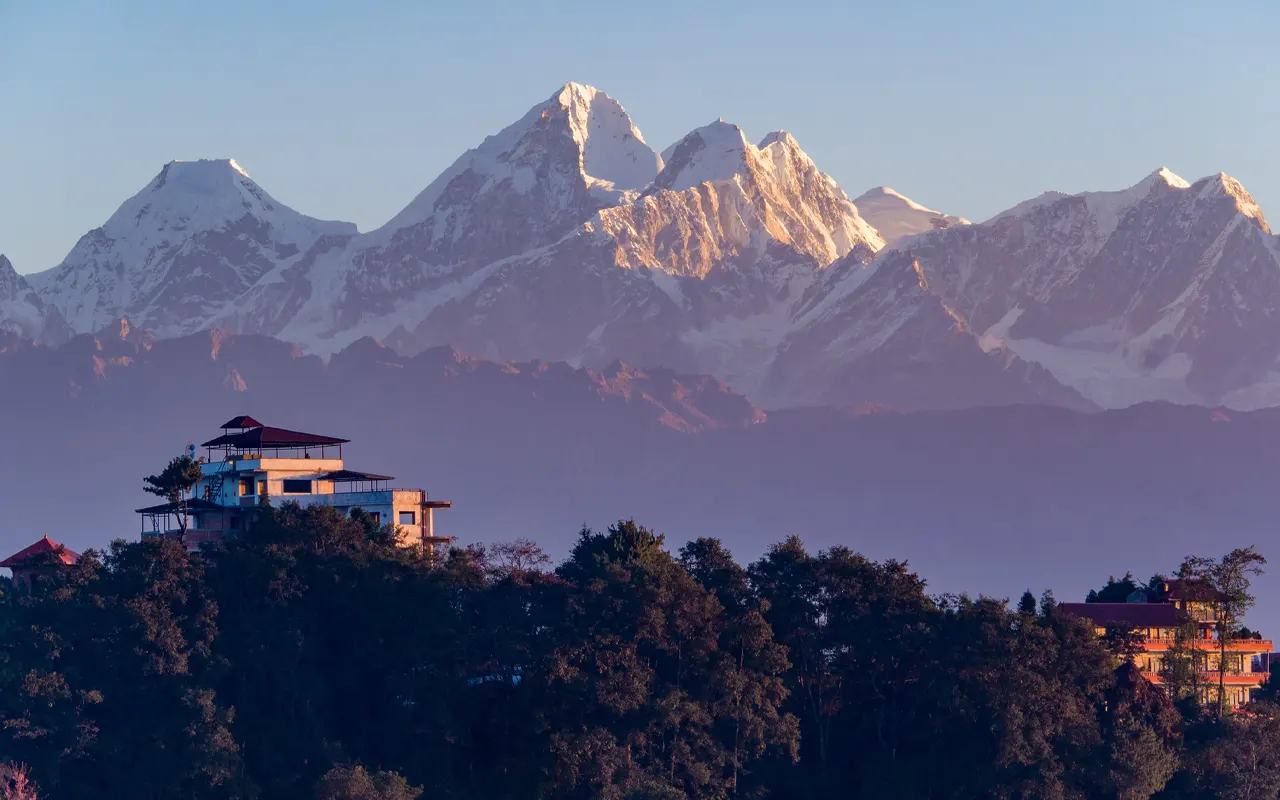
The Nagarkot Chisapani Hike provides numerous gorgeous photography locations, such as forests, villages, and mountain sights at locations such as Nagarkot (1,950 m / 6,398 ft). Sunset and sunrise are particularly ideal for making beautiful landscapes.
Although photography is usually permissible, it is always important to consider the privacy of individuals and request them to take close-up shots of locals. Follow any regulations on photography at religious places such as Changu Narayan (1,540 m / 5,052 ft).
The use of drones in Nepal is controlled. The flying of a drone requires special authorization, particularly in sensitive places such as Shivapuri Nagarjun National Park. It is not permitted to fly drones without permission.
These tips should be observed to have a courteous and hassle-free experience and record the memories of your trek.
Cultural Festivals on the Trails
In the Nagarkot Chisapani Hike, you can have an opportunity to witness the local cultural festivals, depending on the time of year. Nepal has festivals which are very colorful, full of tradition, and provide a deeper insight into local life.
Festivals such as Dashain and Tihar are very popular in the villages along the trail, such as around Chisapani (2,215 m / 7,267 ft). These activities encompass family meetings, traditional food, music, and decorations.
There can also be other local festivals that demonstrate some special customs and rituals. The visitors are usually welcomed and can be invited to observe or even participate in the celebrations.
The visits to these festivals give the trek a unique cultural experience, and not only a hiking trip. It is a chance to study and to get to know local customs.
Travel Tips for First-Time Visitors
The Nagarkot Chisapani Hike is an excellent introduction to trekking in Nepal for first-time travelers. To begin with, pack light but make sure you bring necessary things such as comfortable shoes, warm-up clothes, and a reusable water bottle.
Start the walk at a moderate speed, particularly when ascending Sundarijal (1,460 m / 4,790 ft), and have frequent rests to prevent exhaustion. Your energy will be kept high by keeping hydrated and eating well.
Adhere to local traditions, treat people courteously, and take care of the surroundings. Bring cash; there are no ATMs on the trail.
Your journey can be simpler and more structured when you travel with a reputable agency such as Himalayan Pathways.
First trekking experience is safe, fun, and could be really memorable as long as you are well prepared and have a positive attitude.
 Unbeatable Holiday Offers - Save Up to 20% on Your Next Adventure!