notification-icon Unbeatable Holiday Offers - Save Up to 20% on Your Next Adventure!

Annapurna Circuit Trek

duration-1

Duration

11 Days
difficulty-icon1

Trip Difficulty

Easy
max-altitude

Max. Altitude

5416 Metres
group-size-icon

Group Size

2-20 People
best-season

Best Season

Mar-May, Sep-Nov
transportation

Transportation

Jeep, Tourist Bus
accommodation

Accommodation

Teahouse, Hotel
meals

Meals

Breakfast, Lunch & Dinner
  • Your safety, our no 1 priority
  • Best price guarantee
  • Experienced & dedicated team
  • Easy booking, no hidden charge
  • You can customize this trip
profile-expert

Live Chat 24/7

overview

Trip Overview

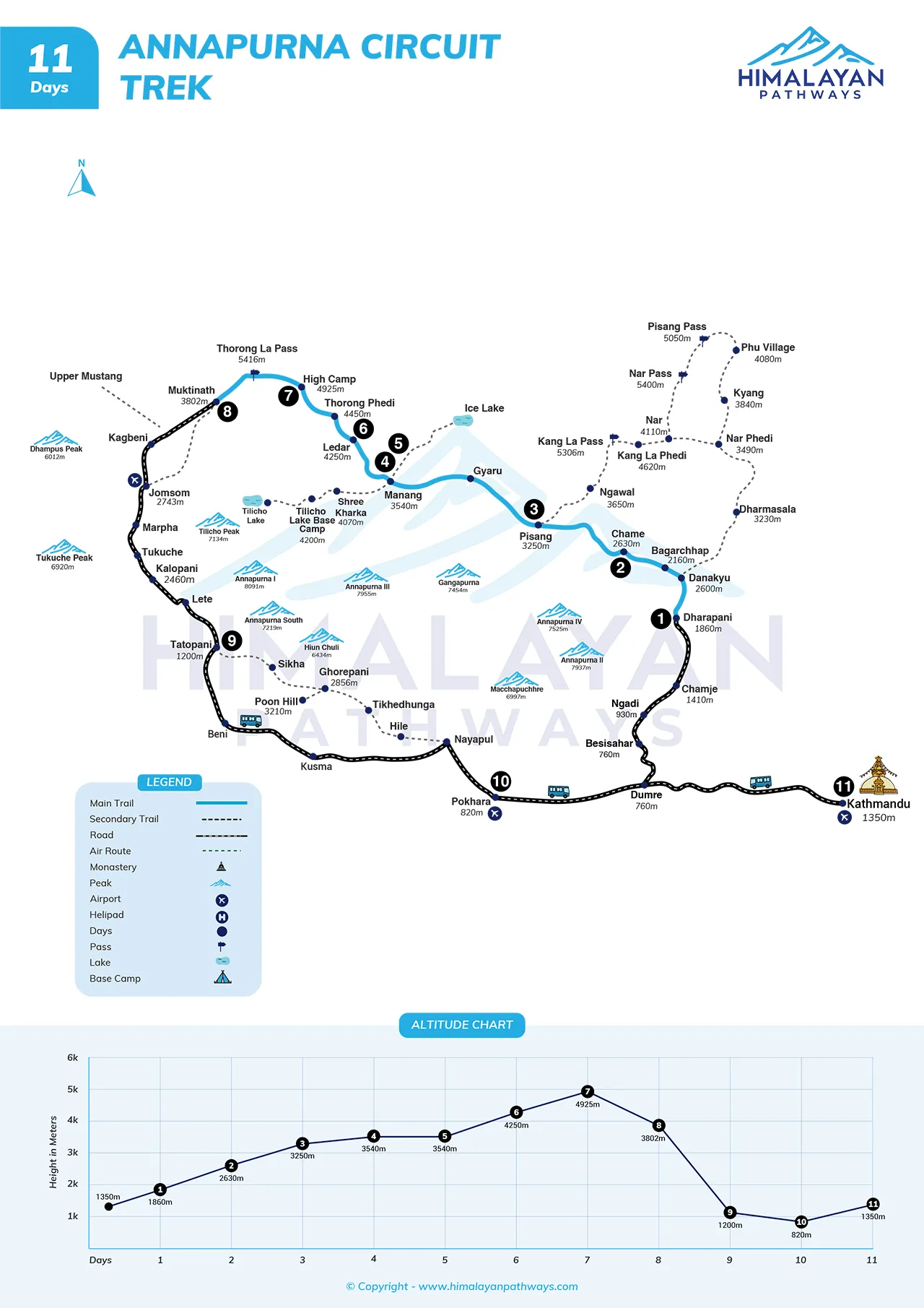
The Annapurna Circuit Trek is an 11-day high-altitude trekking journey that takes you around the Annapurna massif in Nepal. It is a route that has high diversity of landscapes with varying climates and rich cultural diversity. The Annapurna Circuit Trek 11 Days itinerary is designed for travelers who wish to complete the main highlights of the circuit in a shorter timeframe while still allowing proper acclimatization and a comfortable pace.

At Himalayan Pathways, we operate this carefully planned Annapurna Circuit Trek Package with a strong focus on safety, gradual altitude gain, and meaningful local experiences. The trip starts with a scenic route drive between Kathmandu and Marsyangdi Valley. Thence the path slowly winds up through such places as Dharapani, Chame, and Upper Pisang. As you ascend the scenery changes to include the green hills and pine forests changing to the alpine country and open mountain valleys. Manang also has a day of acclimatization so that your body can get used to it before you proceed to higher altitudes.

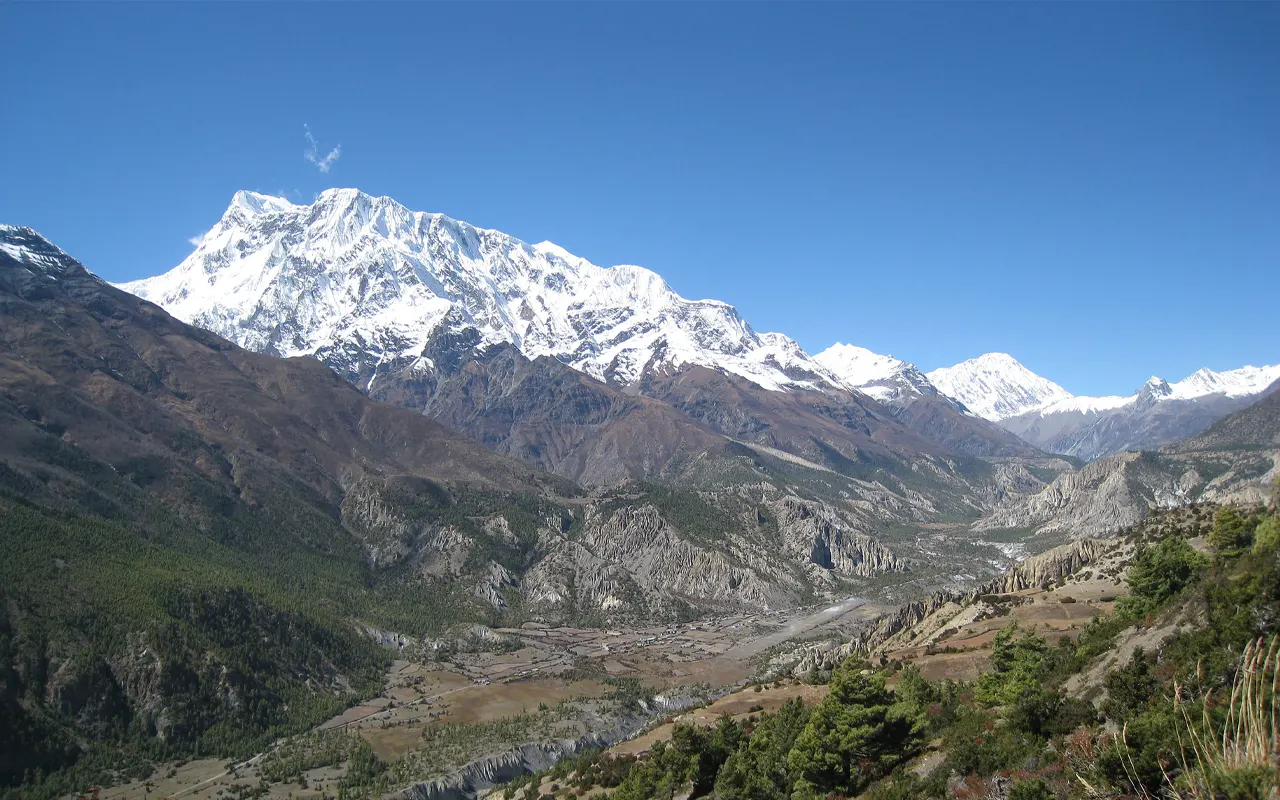
The highest point of the Annapurna Circuit Trek Nepal is Thorong La Pass at 5,416 meters. Getting through the pass takes time and slow steps, yet it is a satisfying accomplishment. The trail goes down to the pilgrimage site of the Hindus and Buddhists (Muktinath) after the pass. The trip will then lead through the Kali Gandaki Valley, through ancient Thakali villages and further to Tatopani, where natural hot springs will be a refreshing rest.

This Short Annapurna Circuit Trek is suitable for trekkers with moderate fitness who are comfortable walking about 5–7 hours per day on most days (the Thorong La Pass day is longer and starts before sunrise). Trekking accommodation is organized in local tea houses where simple and clean rooms with freshly prepared meals are available. The spring and fall seasons are the ideal seasons to make this trek since the weather is stable and the mountain can be seen better.

The Annapurna Circuit Trek offers a balanced combination of physical challenge, cultural learning, and diverse scenery. It is also one of the most thorough trekking experiences in Nepal among those who want to have adventure and experience the mountain life.

Highlights of Annapurna Circuit Trek

  • Cross Thorong La Pass (5,416m), one of the highest trekking passes in Nepal.
  • Visit the holy Muktinath Temple, a major pilgrimage site for Hindus and Buddhists.
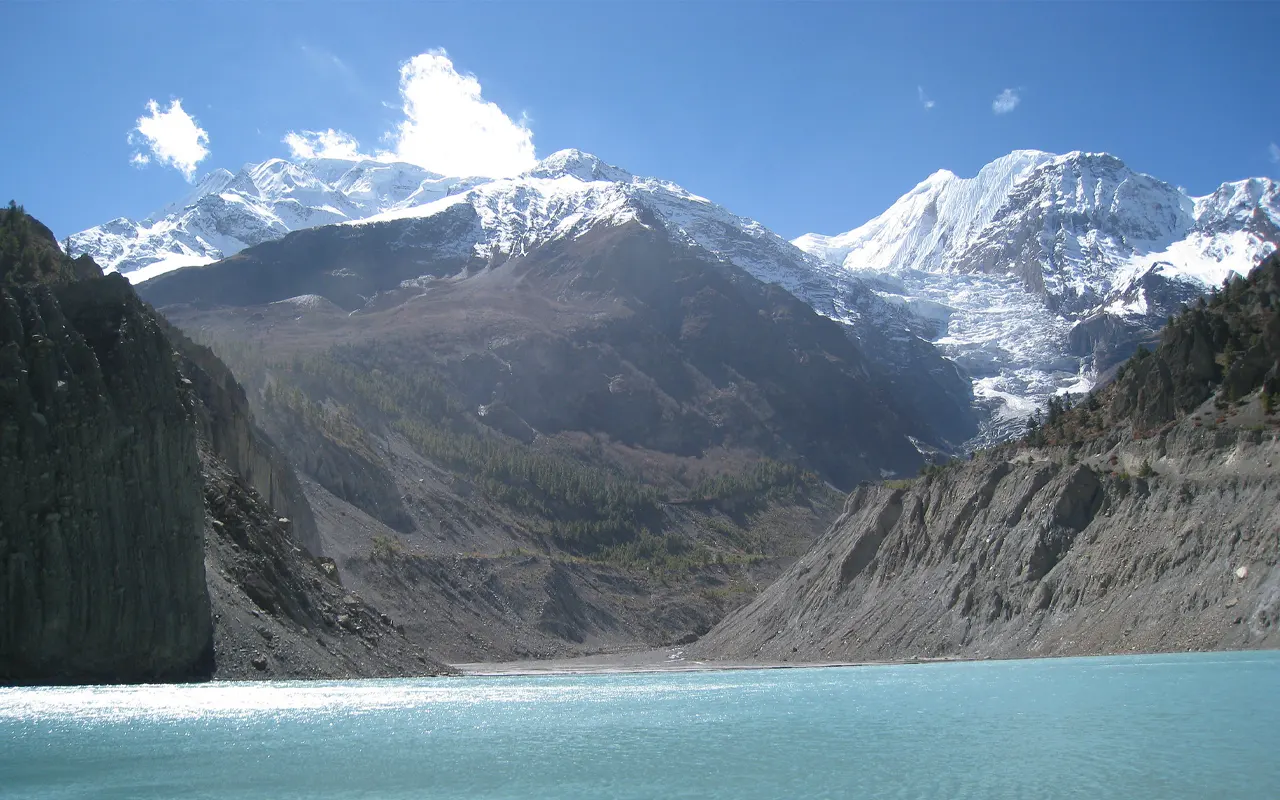
  • Enjoy an acclimatization hike in Manang (Gangapurna Lake or viewpoint). Optional Ice Lake hike depending on fitness and weather.
  • Relax in the natural hot springs of Tatopani.
  • Traverse the Marsyangdi and Kali Gandaki river valleys.
  • Drive through Jomsom and pass traditional villages like Kagbeni and Marpha (short stops depend on time and road conditions).
itinerary-icon

Annapurna Circuit Trek Itinerary

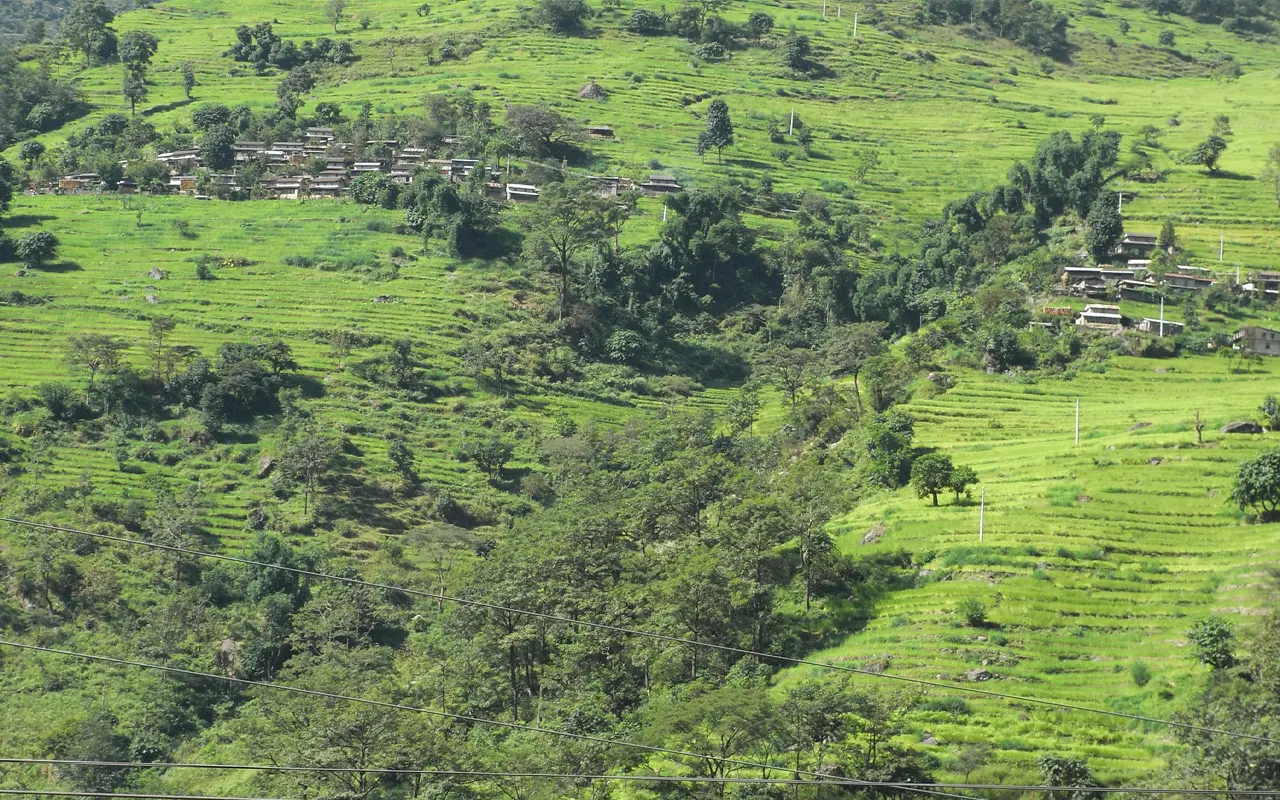
In the early morning we will depart Kathmandu and begin driving along the Prithvi Highway towards Besisahar. The highway is a drainage of river gorges, passing through villages and terrace farms, hilltop villages. Once in Besisahar we will switch over to a common jeep and proceed to Dharapani. The road narrows and becomes more picturesque, as we go on in the hills.

We will pass through waterfalls and suspension bridges and villages such as Jagat, Chamche, and Tal. The Marsyangdi River runs parallel to much of the route. This long drive gives us the opportunity to experience the gradual transition from city lifestyle to mountain surroundings. Upon arrival to Dharapani, we will check into our tea house and rest for the night.

activity-icon

Activity & Duration

Drive from Kathmandu to Dharapani via Besisahar, 8–9 hours drive
altitude-icon

Highest Altitude

1,860m / 6,102ft (Dharapani)
meals-icon

Meals

Breakfast, Lunch & Dinner
accommodation-icon

Accommodation

Teahouse

We will begin our trek after having had a breakfast by tracing the trail along Marsyangdi River. The highway slowly climbs up the pine and fir, with new mountain air and climate. Along the way, we will pass small settlements like Bagarchhap and Timang where we might stop for a while to have tea. As we go higher, we will discover that the air is cooler and the views of the mountains are clearer.

The trail is a combination of both slight uphill and flatter terrain so that we can walk at a steady pace. After several hours of walking, we will reach Chame, the administrative centre of Manang district which we will spend the night.

activity-icon

Activity & Duration

Trek from Dharapani to Chame, 5–6 hours walk
altitude-icon

Highest Altitude

2,669m / 8,757ft (Chame)
meals-icon

Meals

Breakfast, Lunch & Dinner
accommodation-icon

Accommodation

Teahouse

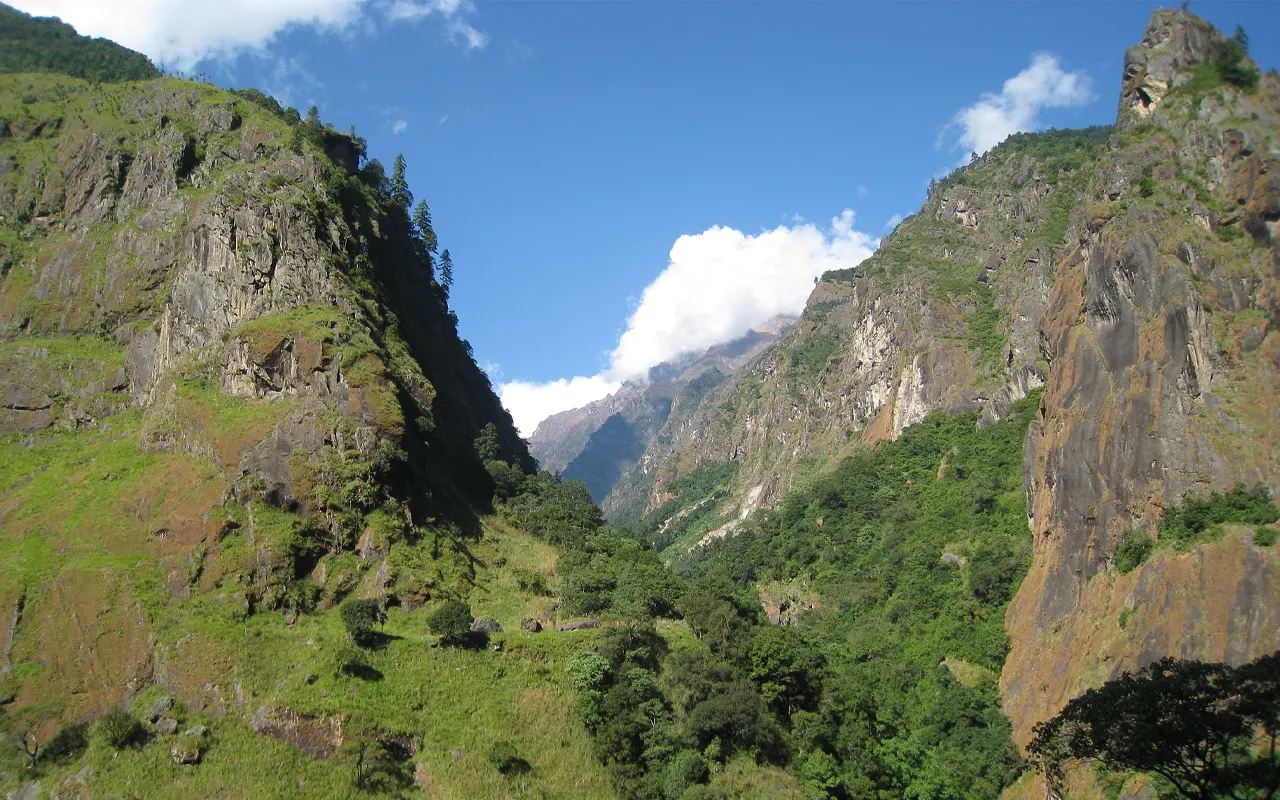
Today, we will continue on our travels through a narrow valley, surrounded by forest and high cliffs. After crossing the over a suspension bridge, we will take a mild uphill trail that will begin to allow us wider views of the mountains. We will pass through Bhratang which is famous for apple orchards and continue to Pisang.

As we ascend higher the landscape becomes more open and dry. We will see the traditional stone houses, prayer flags and mani walls that reflect the strong Buddhist culture of the region. If the weather is clear we will enjoy views of Annapurna II and Pisang Peak. Upon arrival in Upper Pisang, we will then settle into our teahouse and rest.

activity-icon

Activity & Duration

Trek from Chame to Upper Pisang, 5–6 hours walk
altitude-icon

Highest Altitude

3,300m / 10,827ft (Upper Pisang)
meals-icon

Meals

Breakfast, Lunch & Dinner
accommodation-icon

Accommodation

Teahouse

After breakfast, we will proceed along the higher trail toward Manang in order to get better views and to acclimatize gradually. The path ascends gradually to Ghyaru where we will stop to enjoy wide views of Annapurna II, III and the valley below. From there, we will proceed towards Ngawal through open Alpine terrain.

The trail has beautiful scenery along the way with prayer flags, mani walls and traditional stone houses. As we walk, we will notice that the landscape is getting drier and more rugged. After we pass Braga village and old monastery, we will reach Manang. In the afternoon, we will rest and explore the village to prepare for higher altitude days in advance.

activity-icon

Activity & Duration

Trek from Upper Pisang to Manang, 6–7 hours walk
altitude-icon

Highest Altitude

3,540m / 11,614ft (Manang)
meals-icon

Meals

Breakfast, Lunch & Dinner
accommodation-icon

Accommodation

Teahouse

Today we will stay in Manang in order to acclimatize properly. Instead of complete rest, we will take a light hike to a higher viewpoint or Gangapurna Lake. If the group is feeling strong and the weather is stable, an optional longer acclimatization hike  This slow ascent allows our bodies to acclimate to the altitude and enjoy great views of the mountains.

From the viewpoint, we will see Annapurna III, Gangapurna and environs. After spending some time there we will be back in Manang for lunch. In the afternoon, we may visit a monastery or attend a brief altitude awareness session if available. The remainder of the day is spent in relaxation. This day plays an important role in preparing us for the higher sections of the trek.

activity-icon

Activity & Duration

Acclimatization hike around Manang (Gangapurna Lake/Viewpoint), 3–4 hours hike
altitude-icon

Highest Altitude

3,540m / 11,614ft (Manang – overnight stay)
meals-icon

Meals

Breakfast, Lunch & Dinner
accommodation-icon

Accommodation

Teahouse

After breakfast we will leave Manang and go further towards higher elevations. The trail gradually rises towards Yak Kharka, and you pass through alpine land with not many trees and wider views. We will walk at a slow steady pace in order to conserve energy and acclimate to the altitude. On the way, we might see yaks grazing and small seasonal settlements.

The landscape is more open and quiet than was the case in the lower valleys. After lunch, we continue on a slow uphill trail to Ledar. Upon arrival, we will rest and stay warm as the temperature will start to drop at this elevation.

activity-icon

Activity & Duration

Trek from Manang to Ledar, 5–6 hours walk
altitude-icon

Highest Altitude

4,200m / 13,780ft (Ledar)
meals-icon

Meals

Breakfast, Lunch & Dinner
accommodation-icon

Accommodation

Teahouse

Today we will continue towards Thorong High Camp. The trail becomes steeper as we enter higher alpine land. We will pass over a suspension bridge and a narrow path on the side of a hill. Due to the climbing altitude we will walk slowly and take regular short breaks. The views become more dramatic as vegetation reduces and the landscape becomes rocky.

After reaching Thorong Phedi we will make the final climb to High Camp. Accommodation here is basic but the location is important for preparation for the pass crossing the next day. We will have an early dinner and get a good night’s sleep for tomorrow’s very challenging walk.

activity-icon

Activity & Duration

Trek from Ledar to Thorong High Camp, 5–6 hours walk
altitude-icon

Highest Altitude

4,925m / 16,158ft (Thorong High Camp)
meals-icon

Meals

Breakfast, Lunch & Dinner
accommodation-icon

Accommodation

Teahouse

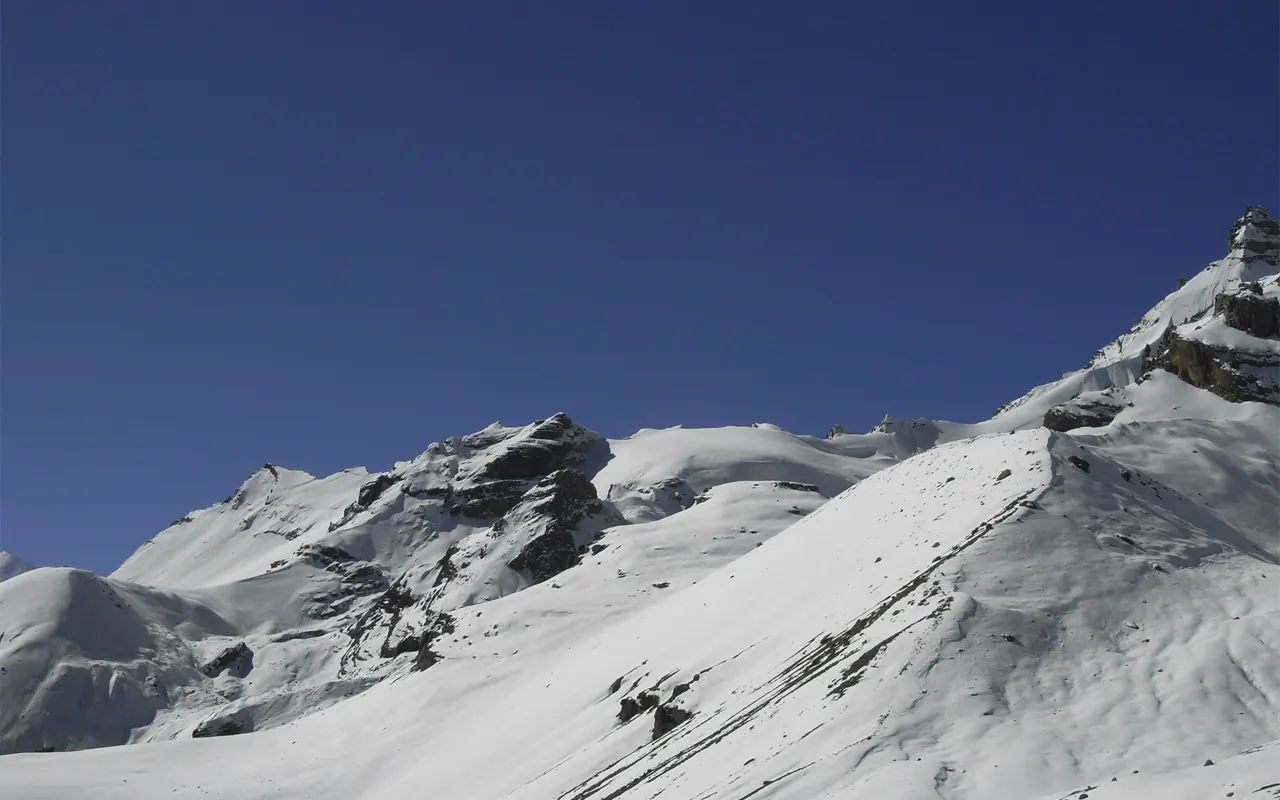
Today will be the most difficult and most rewarding day of our trek. We will begin early in the morning, of course before sunrise, to cross Thorong La Pass safely. The climb is steady and slow and we will walk at a slow pace to deal with the high altitude. After a few hours, we will reach the top of Thorong La Pass (5,416m) where prayer flags define the highest point of our journey.

We will take a short break to take photographs and have some rest and then set out on a long ascent to Muktinath. It is steep in places on the descent but becomes less hard as we fall in altitude. After reaching Muktinath, we will have checked-in our teahouse and rest after a long day.

activity-icon

Activity & Duration

Trek from Thorong High Camp to Muktinath via Thorong La Pass, 8–9 hours walk
altitude-icon

Highest Altitude

5,416m / 17,769ft (Thorong La Pass – highest point)
meals-icon

Meals

Breakfast, Lunch & Dinner
accommodation-icon

Accommodation

Teahouse

After breakfast, we will visit the sacred Muktinath temple which is an important pilgrimage place for both Hindus and Buddhists. We will have some time to explore the temple complex before starting our drive. From Muktinath we will go by local jeep towards Tatopani. The road passes through Kagbeni, Jomsom, Marpha, Tukuche and Ghasa.

Along the way, we will be able to see wide Kali Gandaki Valley and traditional Thakali villages. The landscape changes gradually across the descent to lower altitude. After reaching Tatopani we will check into our tea house. In the evening, we might head to the natural hot springs to relax and loosen up our muscles.

activity-icon

Activity & Duration

Drive from Muktinath to Tatopani (via Kagbeni, Jomsom, Marpha), 5–6 hours drive
altitude-icon

Highest Altitude

1,190m / 3,904ft (Tatopani)
meals-icon

Meals

Breakfast, Lunch & Dinner
accommodation-icon

Accommodation

Teahouse

On this day, we will depart the mountains and drive to Pokhara. Our journey will begin in the morning with a jeep or local vehicle. The highway runs along Kali Gandaki river and through Beni and roadside villages. The weather is warmer and the surroundings greener as we head towards Pokhara. Upon reaching Pokhara, we will settle down in our hotel close to Lakeside.

Afternoon is at liberty to relax or sightsee the place. The afternoon is free to rest or explore the area. We may take a short walk on Phewa Lake and enjoy the peaceful environment. After a few more days in the mountains, Pokhara provides comfort and a relax atmosphere.

activity-icon

Activity & Duration

Drive from Tatopani to Pokhara, 4–5 hours drive
altitude-icon

Highest Altitude

822m / 2,697ft (Pokhara)
meals-icon

Meals

Breakfast & Lunch
accommodation-icon

Accommodation

Hotel

After having breakfast, we will take a tourist bus towards Kathmandu. The road is approximately seven or eight hours long, and it uses the Prithvi Highway with its river valleys and hilly roads. On the trip journey we will pass through small towns, farms and beautiful sceneries. When you arrive in Kathmandu, we will take you to the hotel (hotel accommodation in Kathmandu is not included).

The remaining day is at liberty to go shopping or have a rest. Later on during the evenings, we can meet in a brief farewell session to exchange feedbacks and memories of the Annapurna Circuit Trek. And with this we finish our 11 days together.

activity-icon

Activity & Duration

Drive from Pokhara to Kathmandu by Tourist Bus, 7–8 hours drive
altitude-icon

Highest Altitude

1,400m / 4,593ft (Kathmandu)
meals-icon

Meals

Breakfast
accommodation-icon

Accommodation

Hotel
inclusion-icon

Price Includes and Excludes

What is included?

  • Private vehicle pick-up and drop-off in Kathmandu at the airport.
  • Transportation from Kathmandu to Besisahar by bus or private vehicle and shared jeep to Dharapani.
  • Transportation from Muktinath to Tatopani and from Tatopani to Pokhara by jeep or local vehicle.
  • Tourist bus transportation from Pokhara to Kathmandu.
  • All necessary permits, including ACAP (Annapurna Conservation Area Permit) and TIMS card.
  • All board meals (breakfast, lunch, and dinner) during the trek.
  • Teahouse accommodation for 9 nights during the trek on a twin-sharing basis.
  • 1-night hotel accommodation in Pokhara with breakfast.
  • Certified English-speaking professional trekking guide throughout the trip.
  • Porter service (1 porter for 2 trekkers, 15 kg per trekker).
  • Guide and porter wages, meals, insurance, accommodation, and logistics.
  • All government taxes, VAT, and service charges.
  • A trekking duffel bag provided for porter use.
  • Trekking poles available on request.
  • Water purification tablets for safe drinking water.
  • Detailed trek map and itinerary briefing.
  • Safe luggage storage at our Kathmandu office during the trek.

What is not included?

  • International airfare to and from Kathmandu.
  • Nepal visa fee payable on arrival at the airport.
  • Hotel accommodation and meals in Kathmandu (before and after the trek).
  • Lunch and dinner in Pokhara.
  • Personal expenses such as snacks, bottled drinks, hot showers, Wi-Fi, charging fees, and laundry.
  • Personal trekking equipment such as boots, clothing, backpacks, and accessories.
  • Travel insurance covering high-altitude trekking and emergency evacuation.
  • Tips for guides, porters, drivers, and staff.
  • Additional expenses due to delays, weather conditions, illness, or itinerary changes.
  • Optional activities in Pokhara or Kathmandu.
  • Souvenirs and personal shopping.
  • Anything not specifically mentioned in the inclusion list.
trip-info-icon

Trip Information

How Difficult Is the Annapurna Circuit Trek?

The Annapurna Circuit Trek is considered a moderate to challenging trek due to its altitude, daily walking hours, and the crossing of Thorong La Pass (5,416m). During this Annapurna Circuit Trek 11 Days, we walk an average of 5–7 hours per day on mixed terrain. There are gradual ascents, rocky parts and lengthy descents following the pass.

Altitude is the key challenge as opposed to technical difficulty. Climbing skills are not needed, although good physical condition and mental preparation matter. The highest point of the Annapurna Circuit Trek Nepal is Thorong La Pass, where thin air and cold temperatures can make the crossing demanding.

With proper acclimatization, steady pacing, and guidance from our team, most trekkers with moderate fitness can complete this Short Annapurna Circuit Trek safely and comfortably.

Weather and Best Season

The best seasons for the Annapurna Circuit Trek are spring (March–May) and autumn (September–November). The weather in such months is usually predictable and less cloudy and the day temperatures are comfortable.

The spring is the time of blooming rhododendrons and greener hills at the lower levels. The elevations are still cool particularly in the mornings and evenings. Autumn is especially popular for the Annapurna Circuit Trek Package because of the clear mountain views and fresh air after the monsoon season.

December -February can be extremely cold and heavy snow supply can befall Thorong La Pass. Rain, slippery tracks and poor visibility of mountains are experienced during monsoon season (June–August). For the safest and most enjoyable experience in the Annapurna Circuit Trek Nepal, spring and autumn are strongly recommended.

Food and Drink

During the Annapurna Circuit Trek 11 Days, meals are served in local tea houses along the trail. The meals are very basic, fresh, and made in accordance to the local availability. Dal bhat is the most popular meal that is a good source of energy and in most cases can be refilled.

Others are noodles, fried rice, pasta, potatoes, soups, pancakes, eggs and bread. Options in food become less in larger villages, yet food is satisfying and comforting. Vegetarian foods are usually advised in order to be safe at high levels and also easier to digest.

Hot beverages like tea, ginger lemon honey and coffee are very common. It is necessary to have safe drinking water, and we suggest boiled or purified water. Carrying purification tablets or a water filter is helpful during the Annapurna Circuit Trek Nepal.

Altitude Sickness and Recommendations

Altitude is an important factor during the Annapurna Circuit Trek, especially above 3,000 meters. Thorong La Pass is the maximum point of the trek and it is 5,416 meters. Typical mild symptoms of altitude illness are headache, nausea, dizziness and lack of appetite.

Our Annapurna Circuit Trek Package includes a planned acclimatization day in Manang to help reduce risks. We suggest the slow pace of walking, consumption of adequate water, appropriate eating habits and avoidance of alcohol.

Descending to a lower altitude is the safest way out in case any of the symptoms develop into severe levels. Our guides will be trained to observe the health states and support in this case. With proper awareness and gradual ascent, most trekkers complete the Annapurna Circuit Trek Nepal safely.

Preparation and Fitness

Good preparation makes the Annapurna Circuit Trek more comfortable and enjoyable. This is a hike that entails 5-7 hours of walking on a day or two or three days with one mountain pass of high altitude. For the Annapurna Circuit Trek 11 Days, moderate fitness is required.

We suggest that physical preparation should commence at least 6 8 weeks prior to the trek. Hiking, jogging, cycling, climbing stairs, and training in the gym are some of the activities that can be used to increase endurance. It is particularly helpful to strengthening of the legs and cardiovascular fitness.

Lightweight exercises that involve short walks with a heavy backpack can also become helpful in conditioning your body. Psychological conditioning is also a priority. The Annapurna Circuit Trek Nepal passes through remote mountain areas where facilities are basic. With steady pacing and proper preparation, most active trekkers can successfully complete this Short Annapurna Circuit Trek.

Visa and Permits

In order to take part in Annapurna Circuit Trek, a valid Nepal entry visa and trekking permits will be required. Your passport must have a minimum of six months of validity.

A majority of travelers are also able to acquire a tourist visa at Tribhuvan International Airport and certain land borders. Nevertheless, certain nationalities are required to secure a visa on the basis of an Nepalese embassy or a consulate, and thus, it is important to consider the latest official regulations before traveling.

In the case of Annapurna Circuit Trek Package, the following are permits that are needed:

– Annapurna Conservation Area Permit (ACAP).

– TIMS (Trekkers Information Management System) Card.

According to the regulations of Nepal Tourism Board that came into effect on March 31, 2023, the trekkers in the Annapurna Circuit have to be accompanied by a licensed trekking guide and have to possess a trekking-agency issued TIMS card.

Himalayan Pathways will obtain all the necessary permits. All you have to do is to send a copy of your passport and photos in advance. There are a few points where permits are verified on the trail.

Health & Safety

Health and safety are important during the Annapurna Circuit Trek, especially at higher elevations. The training of our guides includes first aid and high-altitude awareness. They monitor your health throughout the trek particularly as you head towards Thorong La Pass.

In Annapurna Circuit Trek 11 Days, we move at a moderate rate so as to aid the acclimatization process. To be energetic, you need to drink enough water, eat well and sleep well. Other villages have basic healthcare facilities, and the developed medical assistance is insignificant in the countryside.

We also recommend that people should carry personal drugs. By following the guidance and paying attention to your physical status, Annapurna Circuit Trek Nepal will be a safe and successful experience.

Transportation

The Annapurna Circuit Trek Package begins with an overland journey from Kathmandu to Dharapani. We either come by bus or private car to Besisahar and then in a common jeep into the mountains. Besisahar onwards the highway turns to roughness, although the journey has views of scenic rivers and hills.

At the end of the Annapurna Circuit Trek Nepal, we travel by road from Muktinath to Tatopani and then to Pokhara. The last day involves a sightseeing bus ride of Pokhara to Kathmandu.

Individual transportation may be requested to make it more comfortable and adaptable. This Short Annapurna Circuit Trek is designed to balance trekking and road travel efficiently.

Travel Insurance

Travel insurance is strongly recommended for the Annapurna Circuit Trek due to its high altitude and remote mountain setting. During the Annapurna Circuit Trek 11 Days, the trail reaches 5,416 meters at Thorong La Pass. In the cases where the medical facilities are inadequate in the higher villages, there might be need to evacuate the patients via helicopters.

The maximum altitude of trekking in high altitude of at least 6,000 meters should be covered in your insurance policy. It must also cover hospital treatment, evacuation in cases of emergency, trip delay and cancellation. Your insurance details and emergency contacts should also be given before proceeding with the Annapurna Circuit Trek Nepal.

With the right coverage, you will be able to enjoy your Annapurna Circuit Trek Package without worrying about any occurrence, as you are ready.

Alternative Routes

Annapurna Circuit Trek is flexible in terms of time and fitness. In case you have few days, then a Short Annapurna Circuit Trek may involve the key attractions like Manang, Thorong La Pass, and Muktinath.

The other alternative is to take Tilicho Lake, which is one of the highest lakes in the world, and this will provide the Annapurna Circuit Trek 11 Days with additional days and adventure. Those trekkers that want a less challenging route can opt to complete at Jomsom and catch a flight to Pokhara over the road.

For those with more time, combining the Annapurna Circuit Trek Nepal with Annapurna Base Camp is also possible. Himalayan Pathways can customize the Annapurna Circuit Trek Package according to your schedule and preferences.

Your Extra Expenses

While the Annapurna Circuit Trek Package covers major essentials, some personal expenses are not included. The trek includes meals and accommodation, but excludes drinks (bottled water, soft drinks, tea, coffee, and snacks).

The electronic device charging, Wi-Fi connection, hot showers, and laundry facilities in tea houses are typically provided at an extra fee. The Annapurna Circuit Trek also does not offer personal items, souvenirs and tips to guides and porters.

There are ATMs which can be unreliable and restricted along the way and it is essential to carry many small denominations of cash. These additional expenses are better planned ahead of time to make it easy to handle your Short Annapurna Circuit Trek.

Language & Communication

The common language in Annapurna Circuit Trek is Nepali, whereas English is often used in tourism regions. The local dialects in villages such as Manang and Mustang are also Tibetan influenced.

Our guides speak good English and Nepali and assist you to meet fellow citizens and learn their cultures. Villagers value learning some simple greetings such as Namaste.

Mobile network coverage is available in many sections of the Annapurna Circuit Trek Nepal, especially in larger villages. Generally Nepal Telecom (NTC) has better coverage as compared to Ncell. Some tea houses have Wi-Fi with extra fee, but the speed of connection might be slow at higher altitudes.

Internet and Charging Facilities

During the Annapurna Circuit Trek, staying connected is possible but limited in higher areas. Most of the villages like Chame, Manang and Jomsom have mobile network coverage. Nepal Telecom (NTC) usually provides better coverage than other networks along the Annapurna Circuit Trek Nepal route.

Other tea houses are equipped with Wi-Fi at an extra fee. Connection is mostly appropriate in sending messages and simple surfing, but cannot be heavy in internet usage. In the higher altitudes, there is less reliability in internet access.

Most teahouse have charging facilities but typically have a small charge per device. Solar energy is commonly used to supply electricity particularly in distant regions. Carrying a power bank is recommended during the Annapurna Circuit Trek 11 Days.

Don’ts during the Trek

Respect for local culture and environment is important during the Annapurna Circuit Trek. In visiting monasteries and temples, we ought to dress in a modest manner and take off shoes and enter into places of worship. The local custom is to walk clockwise around mani walls and prayer wheels.

Littering should be avoided and waste should be carried with responsibility. Using plastic bottles excessively is discouraged; refilling water is a better option during the Annapurna Circuit Trek Nepal.

The consumption of alcohol in high altitude should be avoided especially before going over Thorong La Pass. Symptoms of elevation sickness cannot be overlooked either. Being a responsible trekkers makes the Annapurna Circuit Trek Package a safe and pleasant experience.

Trip Extension Options

After completing the Annapurna Circuit Trek 11 Days, numerous visitors decide to continue their adventure in Nepal. Pokhara is a serene location whereby you can relax and spend some time at the Phewa Lake, take short walks or have some adventure activities such as paragliding.

Another favorable choice is a wildlife safari in Chitwan National Park. It also provides an entirely new experience through jungle walks, canoe ride and wildlife observation.

Guided sightseeing tours in Kathmandu are possible to explore the cultural sites, and these include the UNESCO World Heritage Sites. Himalayan Pathways can customize your Annapurna Circuit Trek Package with additional experiences according to your time and interests.

Tips for First-Time Nepal Visitors

If this is your first visit to Nepal, a few simple tips can help make your Annapurna Circuit Trek smoother. Bring enough local currency because there are no ATM in most of the trekking villages. Small notes are useful for personal expenses during the Annapurna Circuit Trek Nepal.

Honor local culture with greetings of Namaste and modest dressing in villages. Good health at altitude is ensured by drinking only boiled or purified water.

It is possible that traffic in the city is heavy and you have to spend more time getting to your destination. Being patient and flexible will help you enjoy your Short Annapurna Circuit Trek and overall Nepal experience fully.

faqs-icon

Frequently Asked Questions

reviews-icon

Reviews on Annapurna Circuit Trek

  • Your safety, our priority
  • Best price guarantee
  • Experienced & dedicated team
  • Easy booking, no hidden charge
  • You can customize this trip
profile-expert

Live Chat 24/7