Duration
7 Days


 Unbeatable Holiday Offers - Save Up to 20% on Your Next Adventure!

Duration
7 Days
Trip Difficulty
Moderate
Max. Altitude
3210 Metres
Group Size
2-16 People
Best Season
Mar-May, Sep-Nov
Transportation
Flight/Tourist Bus
Accommodation
Teahouse, Hotel
Meals
Breakfast, Lunch and Dinner
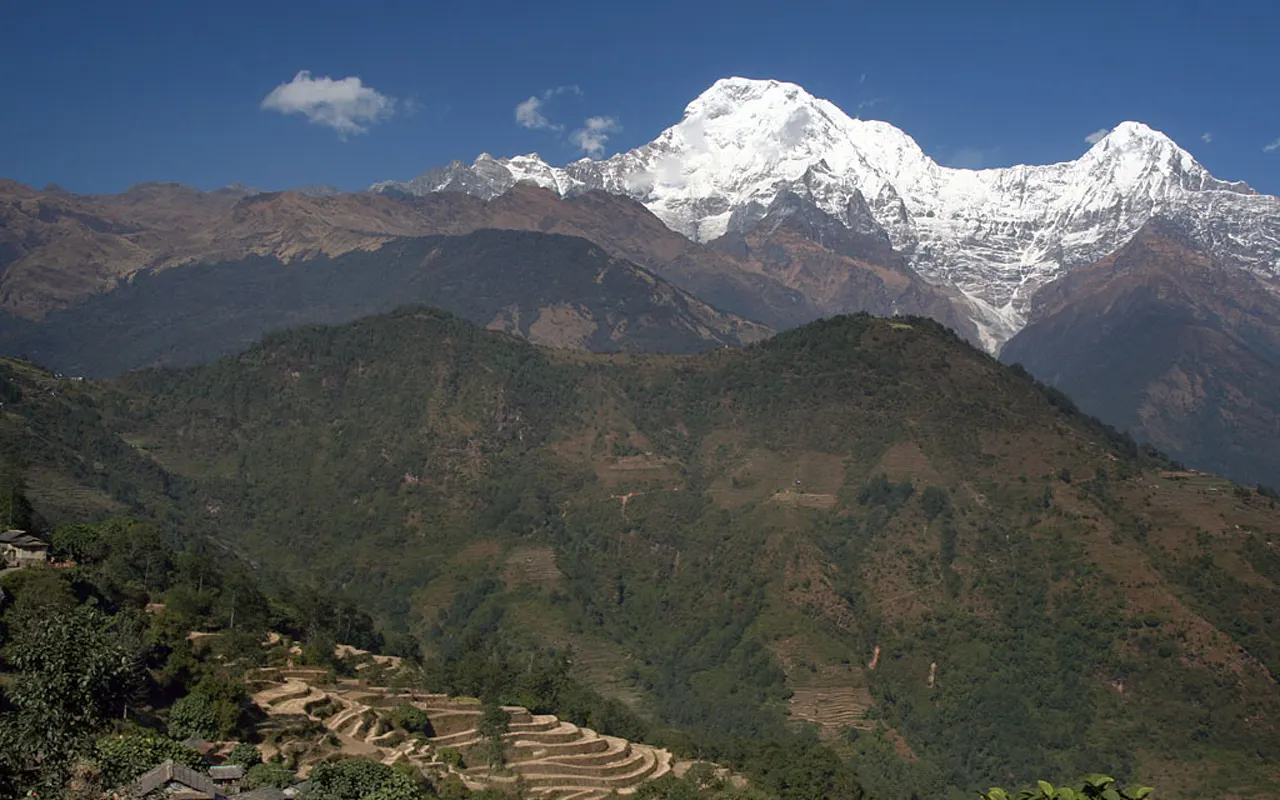
The Poon Hill Trek is one of the most popular short treks in Nepal. It has beautiful views of mountains, serene forests, and friendly villages. This is an ideal trek if you want to discover the Himalayas without having to climb to very high altitudes. The highest point of the trek is Poon Hill (3,210 m / 10,531 ft), above which there is a panoramic view of the sunrise over the Annapurna and Dhaulagiri Mountain ranges. This is a moderate trail suitable for beginners with a basic level of fitness.
The Poon Hill Trek typically starts at Pokhara (820 m / 2,690 ft), a city located on the lakeshore with hills surrounding it. Starting at this point, you are going to drive to the trailhead and start walking through the small villages, terraced fields, and green forests.
On the way, you go through such places as Ulleri (1,960 m / 6,430 ft) and Ghorepani (2,860 m / 9,383 ft). Simple teahouses are available in each village to rest, have hot meals, and meet other trekkers. The Poon Hill trek is unique as the culture mixes with nature.
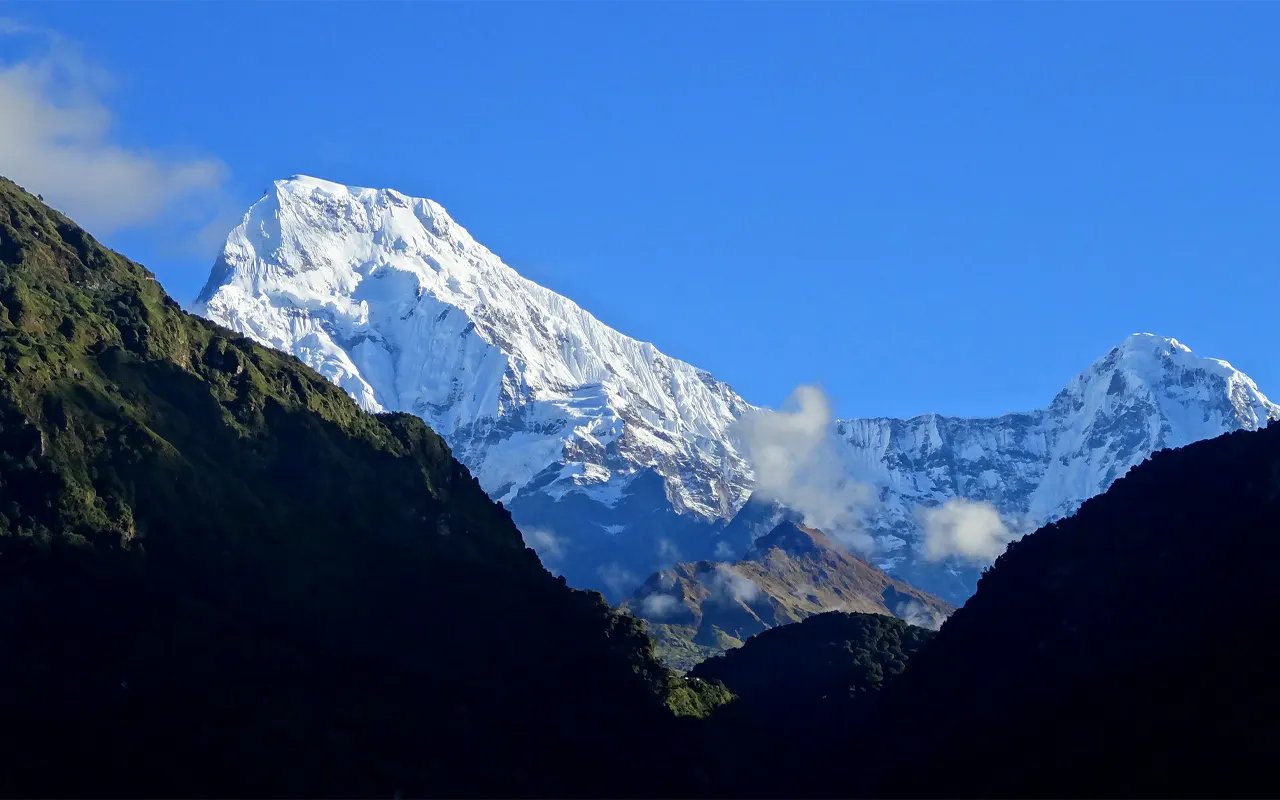
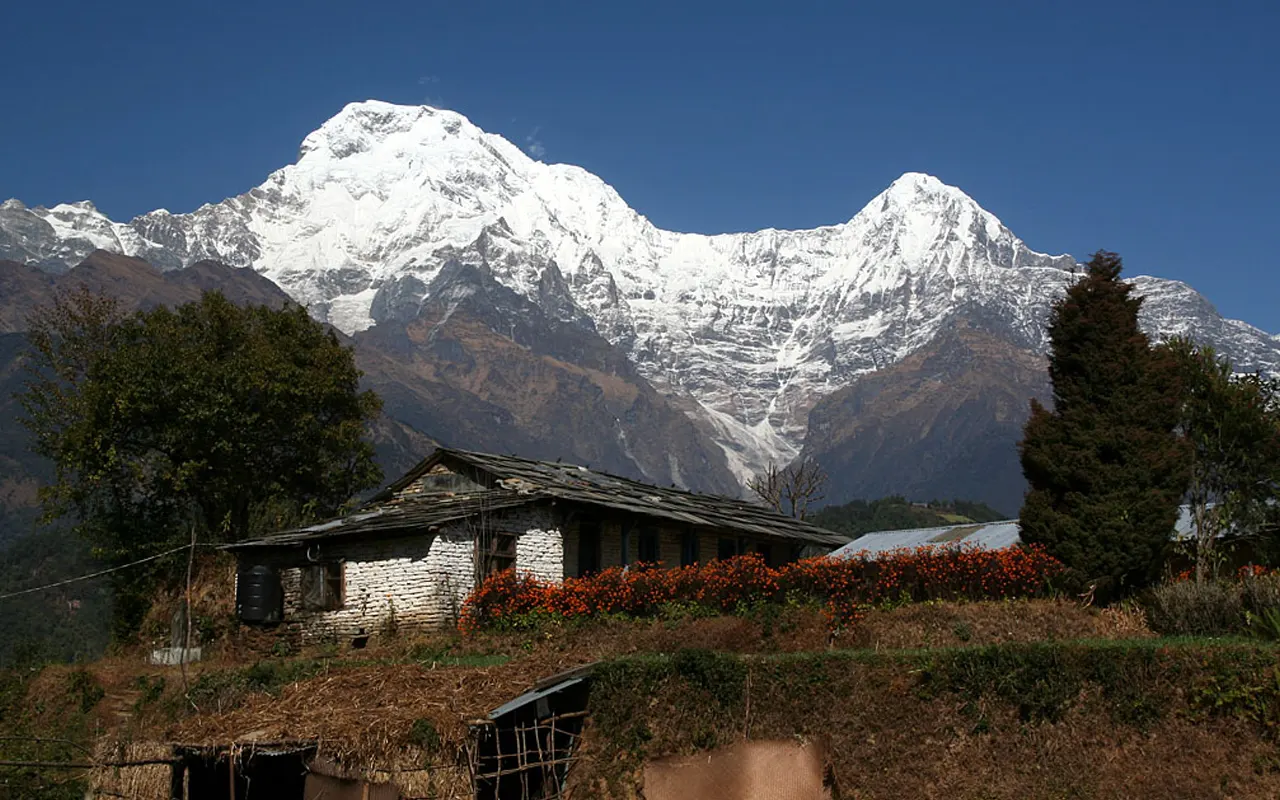
The Poon Hill trek is one of the major attractions in Nepal, and the highlight of the trip is the early morning hike to Poon Hill (3, 210 m / 10, 531 ft). You begin before dawn and walk up the mountain by headlamp. On top, there is a gradual shift in the color of the sky as the sun is rising behind the snow-covered mountains. The golden light illuminates such mountains as Annapurna South and Dhaulagiri. It is a relaxing and satisfying moment of the entire trek.
Cultural experience is also available during the Poon Hill trek. You can get to know about the Gurung traditions and the life of the locals in such villages as Ghandruk (1,940 m / 6,364 ft). The route is clear, and it does not involve any technical climbing. As long as you are well-prepared and in good spirits, the majority of healthy travelers can do this trek comfortably.
The Poon Hill Trek is highly recommended if you want to enjoy a balanced adventure with the views of mountains, village culture, and a moderately challenging altitude. The trek can be successful and pleasant through proper planning and guidance of the Himalayan Pathways to spend a memorable time in the Annapurna region.

The first part of your Poon Hill Trek is the trip from Kathmandu (1,400 m/4,593ft) to Pokhara (820m/2690ft), which is a gorgeous lakeside city. In case you are using tourist buses, the journey will take approximately 8 hours. The highway is followed by rivers, green hills, small towns, and terraced farms. You are able to experience life on the highway and see changing landscapes throughout the day.
In case you select a short flight, it takes approximately 25 minutes, and on any clear day, it provides stunning mountain views.
When you arrive at Pokhara, you get into the hotel along the Phewa Lake. The afternoon is at your leisure, and you may take a walk along the lake, have a rest in some cafe, and get ready for the trek.
You can go shopping to buy trekking equipment in case of necessity. Eat a light dinner, take plenty of water, and go to bed. Your walking adventure starts tomorrow, and therefore, a relaxing evening will make you feel prepared and revitalized.


You drive approximately 1.5 hours from Pokhara to Nayapul (1,070 m / 3,510 ft) after breakfast in Pokhara. You show your permits at the checkpoint of Nayapul and start walking. The path is laid along a river, traversing small villages and agricultural land. The initial section is soft and relaxing.
The trail gets steeper towards Ulleri as you go on. You walk up numerous stone steps, and this may be difficult. Move slowly, have frequent short stops, and consume water frequently.
The gradual ascent provides the rewards of hills and mountains in the distance. Towards the end of the afternoon, you arrive at Ulleri (1,960 m / 6,430 ft). At this level, the air is colder.
You enter a teahouse, have a hot meal, and rest for the night. The peaceful mountain ambiance is a great way of unwinding during your trek.

You leave Ulleri (1,960 m / 6,430 ft) after breakfast and take leisurely forest walks. The route goes through the rhododendron and oak woods. The flowers in spring are bright red and pink and provide the hills with these colors. The path contains rocky steps and mild ascents.
You go through small villages like Banthanti and Nangethanti, where you may have tea or lunch. The woods are cool and refreshing. The slow pace will allow you to save some energy to go on a hike at sunrise the next morning.
Later in the afternoon, you reach Ghorepani at 2,860 m / 9,383 ft. This is where you stay for the night. The village is bustling as trekkers are ready to head to Poon Hill. Take hot drinks, have a good dinner, and go to bed. Here, the air is finer, and rest is necessary.
You wake up before dawn and walk early in the morning out of Ghorepani to Poon Hill (3210 m / 10531 ft). The hike takes about 1.5 hours. It is freezing, and warm clothes are required. This place offers beautiful sunrise views of the Annapurna and Dhaulagiri Mountain ranges from the top. The mountains are shining in gold.
You then go back to Ghorepani, where you have breakfast after the sunrise. You go on to walk on forest ridges later to Poon Hill (2,630 m / 8,629 ft). The trail contains both uphill and downhill. The landscape varies with the walk-through silent forest trails.
Towards the end of the afternoon, you arrive at Tadapani and take rest in your teahouse. Take you dinner, and sleep after this good day.
A breakfast at Tadapani is followed by a downhill walk to Ghandruk (1,940 m / 6,364 ft). The path takes one through wood and small clearings. The walk is not as difficult as it had been earlier.
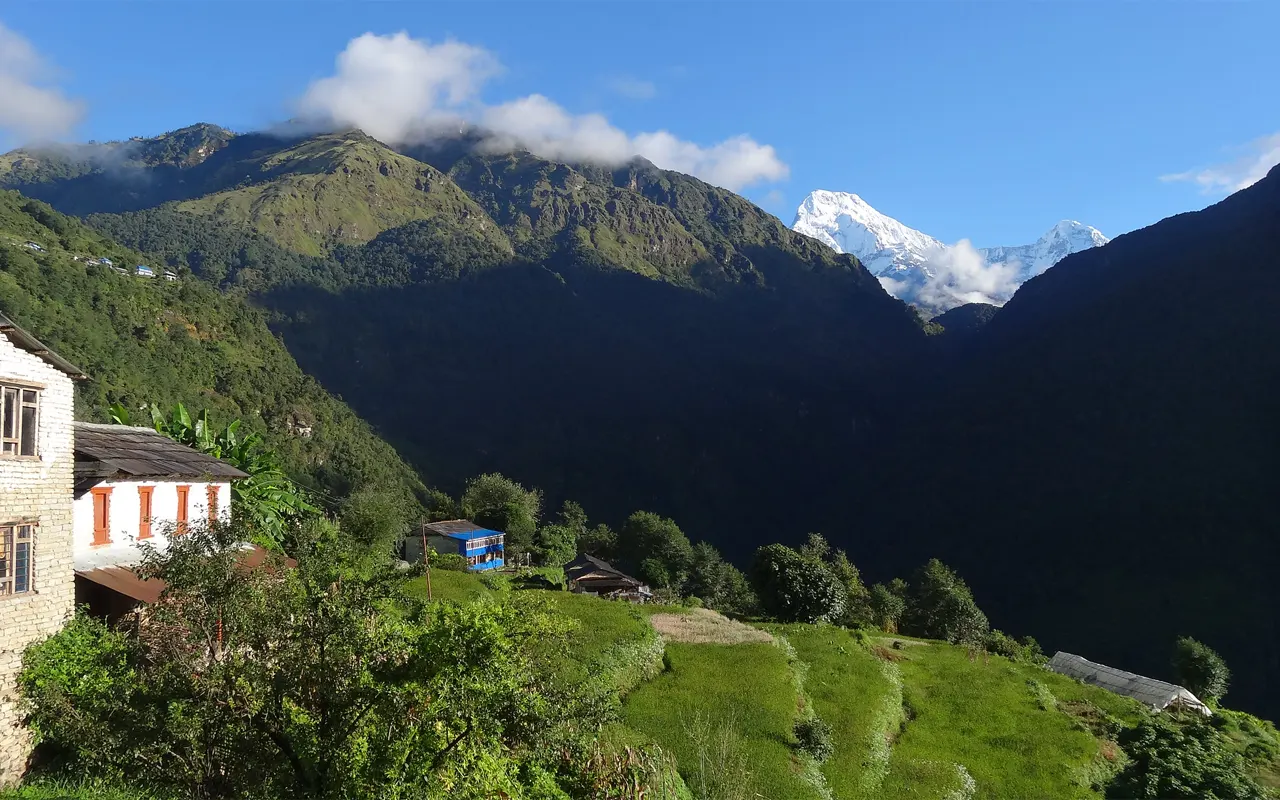
Terraced fields as well as traditional stone houses can be seen as you head towards Ghandruk. Ghandruk is a big village of the Gurung community with a great culture. During the afternoon, you can explore the village, visit Gurung Museum, and have a view of the mountain. The views of Annapurna South and Hiunchuli are spectacular from here.
The evening is peaceful. You take dinner and go on to reflect on your trekking adventure. Breathing is easier tonight because of the low altitude.
You wake up in Ghandruk and start a brief walk down to Kimche, which is approximately 1,640 m / 5,381 ft. The walk takes about one hour. You walk over farms and country houses.
Your vehicle will meet you at Kimche, and you will be driven back to Pokhara (820 m). It takes approximately 2 to 3 hours to drive. The next thing you do after arriving in Pokhara is to stay in your hotel, where you get to enjoy all the modern amenities, such as a hot shower and a comfortable bed.
In the evening, you are at liberty to have some rest at Phewa Lake, eat well, and celebrate your trek.
You also come back to Kathmandu (1,400 m / 4,593 ft) after breakfast in Pokhara. The tourist bus travels along the river highway and takes about 8 hours to complete the journey. You can see the villages, hills, and rivers during the drive.
You can also take a flight back to Kathmandu, which takes around 25 minutes in atan additional cost. The flight offers beautiful mountain views from the sky.
Upon reaching Kathmandu, you move to your hotel. You can shop at Thamel or spend some time in a cafe. It is time to remember your Poon Hill Trek and the magnificent pictures of the mountains that you had.
Your one-week trip comes to its end with splendid recollections of forests, villages, and Himalayan sunrises.


The Poon Hill Trek is an easy trek that any beginner who loves to walk and feels comfortable when they are on hills can do. The paths are easy and well-travelled, and they lead through villages, woodland, and long, lying stone stairways.
The hike to Ulleri and the last stretch to Ghorepani may be difficult; thus, gradual progress is significant. It does not require any climbing experience, though you must be prepared to take 4 to 6 hours of walking per day.
Poon Hill at 3,210 m / 10,531 ft is the highest point of the trek. You spend most of your nights at lower altitudes, which allows your body to get used to it. Weather can also create challenges, such as cold mornings or rainy days, when the steps become slippery.
As the Poon Hill Trek is an easy-to-moderate trek, most healthy travelers can go through the journey with ease with the help of simple training, good pacing, and trekking poles to support them throughout.
Autumn and spring are considered the most suitable seasons to go on the Poon Hill Trek. The monsoon is followed by clear skies and good mountain scenes in the autumn. It is warmer in the spring with rhododendron forests all along the trail. The weather in these seasons provides favorable weather and walking conditions.
Rain and humidity are prevalent in summer and monsoon, and in lower villages such as Nayapul. Trails become muddy, or leeches may appear. Winter days start with chilly mornings with freezing temperatures and maybe snow at Poon Hill (3,210 m / 10,531 ft). Snow can be beautiful, but it can make the trail slippery and risky.
Regardless of the time of the year, mornings present the best mountain scenes. On the Poon Hill Trek, Himalayan Pathways suggests beginning the sunrise trek prior to dawn in order to enjoy the best experience.
Teahouses in the Poon Hill Trek serve nutritious and simple meals. During the trek, breakfast, lunch, and dinner are included in your package. Dal bhat, noodles, fried rice, soups, eggs and pancakes are generally served. These meals are served hot and give you enough energy for long walking days.
Hot beverages and soup make you warm and keep you hydrated at elevated altitudes such as Ghorepani (2,860 m / 9383 ft). Having food rich in carbohydrates provides continuous energy to walk in the afternoon.
Consumption of water is highly essential, even when the atmosphere seems chilly. Water bottles can be refilled in teahouses, but make sure you only drink boiled, filtered, or treated water to stay safe.
Avoid drinking alcohol, especially before reaching Poon Hill at 3,210 m / 10,531 ft, because it can disturb sleep and cause dehydration.
In case you have dietary requirements, inform Himalayan Pathways beforehand so that suitable arrangements may be made in time in the course of your Poon Hill Trek.
Even though the Poon Hill Trek is not as high as most of the Himalayan trails, one may develop altitude sickness. The highest point is Poon Hill at 3,210 m / 10,531 ft. Most nights are spent at lower elevations, such as Ghorepani at 2,860 m / 9,383 ft, to reduce risk.
In order to remain safe, it is important to walk slowly and consume a lot of water. Monitor such symptoms as headache, nausea, dizziness, and uncharacteristic fatigability. In case you have any symptoms, tell your guide at once. Rest and slow down. In case of the symptoms, moving down to a lower altitude is the most appropriate remedy.
This itinerary is designed to help your body adjust gradually to the altitude. Coming fresh and not overworking on the first day is helpful. Himalayan Pathways promotes the free flow of information to ensure that any issues raised by the guides are addressed in time during the Poon Hill Trek. Adequate information and easy measures make the Poon Hill Trek more comfortable and fun.
The Poon Hill trek is made enjoyable due to good preparation. Walk at least 45 minutes at least 3 to 5 days a week. Add some hills or stair climbing, as some parts of the path, such as Ulleri, demand good leg strength. Do some practice walks with a light backpack to have your body become accustomed to additional weight.
Strength exercises like squats, step-ups, and calf raises help in preventing knee injuries on long descents. Stretching makes muscles flexible and eliminates soreness. The Poon Hill Trek covers 3,210 m / 10,531 ft; basic stamina is significant even though the trip is not a high-exertion type.
Prepare your gear carefully. Wear in your boots, and bring on a few layers of clothes to change with the varying weather between Pokhara (820 m / 2,690 ft) and higher in the Himalayas, such as Ghorepani (2,860 m / 9,383 ft). It is recommended to keep your bag light. The Poon Hill Trek is a smooth experience that can be facilitated by simple and consistent training and a positive attitude.
A majority of the travelers arrive in Nepal with a tourist visa, which is obtained upon arrival at Tribhuvan International Airport. Poon Hill Trek also requires trekking permits to the Annapurna region before the start of the trek. You will need the Annapurna Conservation Area Permit (ACAP) and a TIMS card (Trekkers’ Information Management System).
The trek goes through designated regions and villages to Poon Hill (3,210 m / 10,531 ft), and therefore, one should have valid permits. The checkpoints on the way can request to examine them. Carry a printed copy and keep a photo on your phone as a backup.
Depending on the service you choose, Himalayan Pathways will help with the permit process by obtaining all the permits for you when doing the trekking package. Carry copies of passports and passport-sized photos since they can be requested in offices. Your Poon Hill trek will start without any problems as the documents are made ready beforehand.
Poon Hill Trek is important in terms of safety. Although the trek is rated as moderate, it is your responsibility to take care of hydration, pacing, and communication. Before the trek starts, notify your guide of any personal medical conditions. Carry a backpack with enough personal medication.
Be good at hygiene on the trail. Wash your hands before taking meals and apply sanitizer when there is a lack of water. Eat freshly cooked food, particularly in some of the higher villages such as Ghorepani (2,860 m / 9,383 ft). Sleep early so that your body can rest.
There is also the need to take precautions when it comes to road transportation between Kathmandu (1,400 m / 4,593 ft) and Pokhara (820 m / 2,690 ft). Himalayan Pathways is a safety-oriented planner in order to make the Poon Hill Trek very comfortable and stress-free.
The Poon Hill Trek starts with a drive from Kathmandu to Pokhara. It will be possible to use a tourist bus or a short flight. Buses are cost-effective and have a countryside experience, although flights are time-saving. The flight offers stunning mountain views and a thrilling experience at an additional cost.
If you choose road transportation, the vehicle will be according to your group size, like a car, van, microbus, or standard tourist bus. All of these vehicles will be comfortable with experienced driver.
From Pokhara, you drive to Nayapul at 1,070 m / 3,510 ft to start walking. After finishing the trek near Ghandruk at 1,940 m / 6,364 ft, you return to Pokhara by road. The time of travel can be different depending on the traffic and weather.
Himalayan Pathways will be able to hire personal cars to be more comfortable. Proper transport planning will make sure that you enjoy the Poon Hill Trek without having to experience avoidable fatigue. Flexible timing during busy seasons helps keep the itinerary smooth and stress-free.
It is highly recommended to purchase travel insurance for the Poon Hill Trek. Although the highest point is 3,210 m / 10,531 ft, unforeseen disease or accident may occur. Select a policy that takes care of trekking and emergency evacuation at this altitude or above.
There is also the risk that standard travel insurance will not cover a helicopter rescue, so pay close attention to your policy. Inquire about medical insurance, trip insurance, and evacuation insurance before travel. Always have your policy and emergency contacts on your phone, and have a printed copy in your wallet.
Even though the Poon Hill Trek is not extreme, appropriate insurance brings relief. Himalayan Pathways recommends that every trekker make appropriate coverage in advance. With the right protection and preparation, you can safely enjoy the mountain views and village life.
The Poon Hill Trek trail has alternative route choices. Some trekkers reduce the length of the trek by driving to the trailhead, thereby cutting the number of walking days. Other people spend the additional nights in villages where they take their time to savour the local existence. You may spend additional time around Tadapani (2,630 m / 8,629 ft), or you may explore around Ghorepani (2,860 m / 9,383 ft).
Another option is to walk the loop in the reverse direction. Alternatively, you can start at Ghandruk (1,940 m / 6,364 ft) and hike slowly upwards until you get to Poon Hill (3,210 m / 10,531 ft) without hiking to Ghorepani. This alters the feel of the stair sections and diffuses the climbing.
Since the Poon Hill Trek is linked with many other mountainous trails, Himalayan Pathways can customize the itinerary according to your fitness, family, or even photography requirements without compromising the legendary sunrise view.
During the Poon Hill Trek, the package does not cover some individual expenditures. These usually include hot showers, Wi-Fi, phone charging, boiled drinking water, snacks, and extra drinks, which you need to pay for separately. In higher villages such as Ghorepani (2,860 m / 9,383 ft), the supplies are limited, making services more expensive.
You can also use additional money in Pokhara (820 m / 2,690 ft) or Kathmandu (1,400 m / 4,593 ft) to eat whatever is not included in your itinerary. Bring sufficient Nepali money from Kathmandu or Pokhara as the ATM is not reliable on the trail. Small extras like chocolate, extra tea, or a better room can also be added to your budget.
There is also the culture of tipping guides and porters after the trek. A small additional budget will help you plan a stress-free trip.
The national language of Nepal is Nepali, and the local ethnic languages are prevalent in villages during the Poon Hill Trek. The teahouse owners in tourist trekking spots are usually conversant in simple English, particularly in ordering food and room requests.
The use of a few simple Nepali words during the trek can help you build better relationships with people in the villages. There is a warm greeting, namaste, which means Hello, and dhanyabad means thank you. When you are trekking to Poon Hill, it is easy to use these expressions and make people smile and have more cultural interchange.
Your guide is significant in communication. They contribute to the explanation of traditions and local customs, and respectful behavior during the trek. Through Himalayan Pathways, you will have the opportunity to enjoy the trek and have good relationships with the local communities.
The Poon Hill Trek is not very connected in terms of mobile signals. Mobile signal and paid Wi-Fi are available in some villages, although it varies according to location and weather conditions. Larger villages like Ghorepani (2,860 m / 9,383 ft) and Ghandruk (1,940 m / 6,364 ft) usually have better access and facilities than smaller settlements.
It costs you a little bit to charge your phone or camera battery. Power supply may be insufficient, particularly along the trail. Carry a power bank and turn devices to airplane mode when not using conserve battery. Download or carry offline maps of the trails from Pokhara (820 m / 2,690 ft.
In case you must be in touch with family members, schedule brief intervals rather than being on all the time. Himalayan Pathways recommends setting your expectations before the trek so you can enjoy a more peaceful Poon Hill Trek experience.
At the Poon Hill Trek, you should not hurry up steep staircases, particularly at Ulleri and the walk to Ghorepani (2,860 m / 9,383 ft). It is more fatiguing and dangerous when you move too rapidly. Do not ignore symptoms like headache or nausea when getting closer to Poon Hill (3,210 m / 10,531 ft). Do not inform your guide if you are not feeling well.
Respect the environment. Throwing plastic bottles or snack wrappers on the trail is forbidden. Bring reusable water bottles, and bring trash back to bigger cities like Pokhara. Do not pick flowers or touch animals on the trails.
It is always better to ask for permission before taking close shots of people. Never fly drones without a license. Himalayan Pathways promotes the development of respectful behavior to ensure your Poon Hill Trek is a positive experience for both the tourists and the local people.
It is possible to extend the Poon Hill Trek. Some proceed to Chhomrong and to the area of the Annapurna Sanctuary, and provide an additional mountain view on top of Poon Hill. This alternative adds days and difficulty.
In case you would like to have a lighter extension, you can spend more days in Pokhara at elevations of 820 m / 2,690 ft, enjoying boating in Phewa Lake or see famous sunrise from Sarangkot (1,600 m / 5,249 ft). You can visit heritage sites and cultural landmarks in Kathmandu (1,400 m / 4,593 ft).
The Himalayan Pathways can tailor your extended Poon Hill Trek itinerary, depending on whether you like more time in the mountains, more visits to the culture, or just relaxing. Flexible planning allows you to maintain the traditional sunrise experience and acquire additional experiences.
The Poon Hill Trek offers amazing photography opportunities at sunrise from Poon Hill at 3,210 m / 10,531 ft. Light in early mornings produces a dramatic color of mountains. Always keep your camera ready, as the light and views can change quickly. Never take pictures of people and places without permission in a village, such as Ghandruk (1,940 m / 6,364 ft).
In Nepal, the use of drones is strict and registered. Drone rules limit how high you can fly and restrict flying near airports or over crowded areas. Regulations in local and conservation areas should always be observed before flying a drone in your Poon Hill Trek.
In case you want to do official photography or aerial work, then contact Himalayan Pathways beforehand. Proper planning will make sure your creative plans are lawful and do not violate the privacy of the community.
Poon Hill Trek can be given some extra meaning by festivals. During autumn, colorful decorations and family get-togethers spread all over the villages during major Hindu festivals like Dashain and Tihar. At the smaller local events in the spring, the occasion can involve music and communal meals.
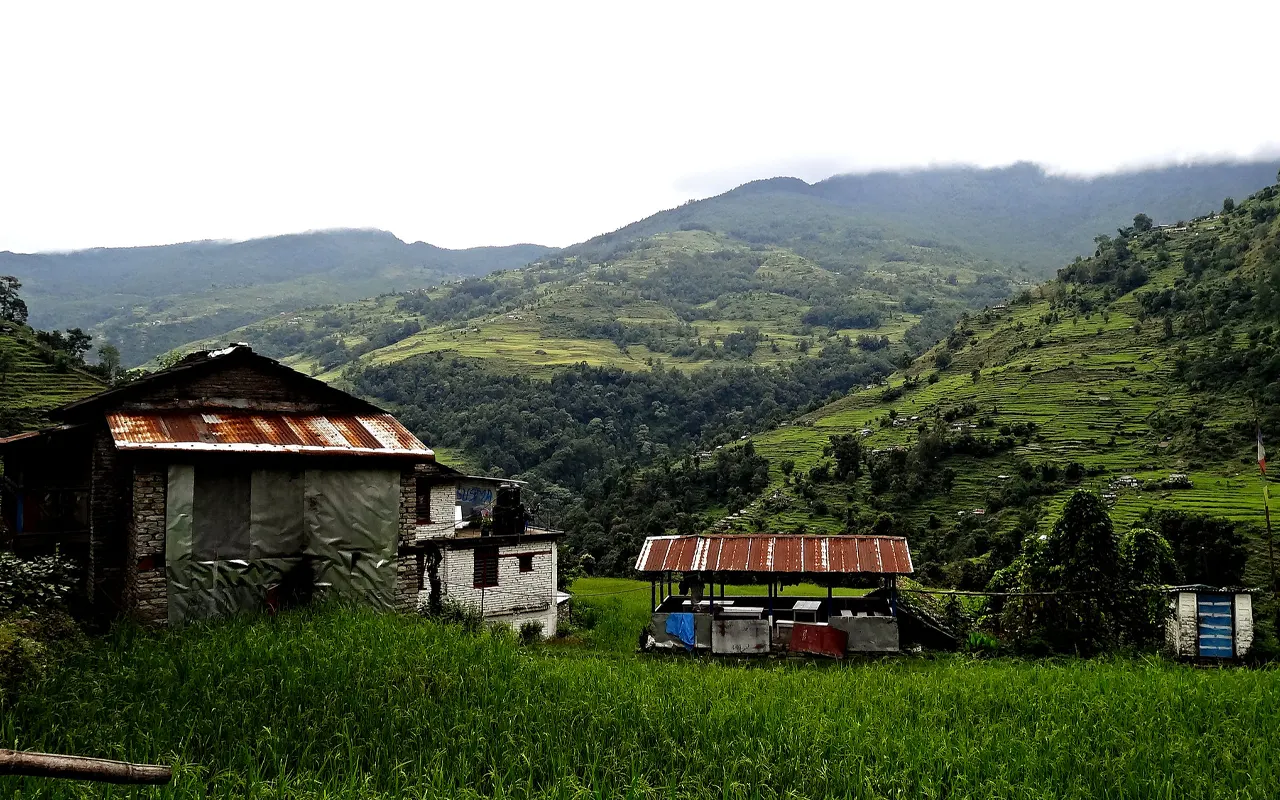
Life in the trail is full even on non-festival days. You may gain knowledge about Gurung traditions and village culture in Ghandruk. Rural life can be seen by watching farmers work in terraced fields or children walking to school.
If you want to make your Poon Hill Trek coincide with some festival season, consult Himalayan Pathways during planning. We could offer the most appropriate months to combine the perfect mountain sceneries with the colorful cultural holidays.
Patience is a key factor to first time visitors. In Nepal, travelling may vary depending on the weather or traffic from Kathmandu (1,400 m / 4,593 ft) to Pokhara (820 m / 2,690 ft). Add a buffer day where feasible.
Pack light but smart for the Poon Hill Trek. Bring some warm clothes because the weather can change in temperature between the lower village and the higher terrain, such as Ghorepani (2,860 m / 9,383 ft). Take photocopies of your passport and permits. Wash your hands before and after the means and always use clean water for drinking.
Respect local customs. Do not wear shoes in residential places and seek permission to take pictures of individuals. The Poon Hill Trek with Himalayan Pathways, guided by experienced trekking guides, helps you understand the culture, manage logistics, and enjoy the journey with confidence.

No, the mountain views are dependent on the weather, but the autumn and the spring are the seasons when the sunrise is likely to be clear.
Usually 45–60 minutes before sunrise, starting from Ghorepani at 2,860 m / 9,383 ft.
No, the teahouses have regular blankets, so bring a sleeping bag in winter.
Sometimes yes, if they are in bigger villages such as Ghorepani or Ghandruk.
Yes, at an elevation, there is an increase in price because of the difficulty in transport.
Rarely. Above 2,000 m / 6,562 ft, most bathrooms are shared.
Yes, there are small bakeries, which sell snacks, coffee, and cakes during high seasons.
Yes, when filtered, purified with purification tablets, or after boiling, the tap water is safe to drink.
Yes, the majority of hotels securely store the additional luggage when you go on a trek.
Tipping the guides and porters is not mandatory, but it is expected.
Yes, particularly in far-off villages when the weather is bad.
Yes, mountain roads can be winding, so motion sickness medicine may be helpful.
Yes, Pokhara has numerous gear shops where one can shop at the last moment.
There are small shrines and prayer locations, but no monasteries on the trail.
Yes, but be prepared for a cold morning and potential snow around 3,210 m / 10,531 ft.

