Duration
10 Days


 Unbeatable Holiday Offers - Save Up to 20% on Your Next Adventure!


Duration
10 Days
Trip Difficulty
Difficult
Max. Altitude
5545 Metres
Group Size
2-16 People
Best Season
Mar-May, Sep-Nov
Transportation
Flight
Accommodation
Teahouse, Hotel
Meals
Breakfast, Lunch & Dinner
The Short Everest Base Camp Trek is a perfect journey for travelers who want to experience the beauty of the Himalayas in a limited time. This journey will give you a glimpse of some of the most renowned scenery in Nepal, providing a combination of mountain scenery, local culture, and natural beauty.
The Short Everest Base Camp Trek begins with a flight to Lukla (2,860 m / 9,383 ft) before proceeding along familiar paths through picturesque villages, rivers, and forests. You will witness beautiful scenes of snow-capped mountains on your journey, including Mount Everest. The trek will be less challenging, yet it will provide you with an opportunity to stand at Everest Base Camp (5,364 m / 17,597 ft) to make the journey worthwhile.
This Short Everest Base Camp Trek goes through renowned villages such as Namche Bazaar (3,440 m / 11,286 ft), a bustling mountain town and a key resting point of trekkers. As you climb up, the landscape turns to be rocky instead of green forests.
You will also be visiting Tengboche (3,860 m / 12,664 ft), a well-known monastery in a peaceful setting. This trip lets you enjoy nature and experience the local culture. The 10-day Everest Case Camp Trek is designed to be balanced between the trekking and acclimatization periods of the trip so that you can adapt to the higher altitude and have fun in the process.
This Everest Short Trek is recommended to trekkers who have simple fitness and an adventurous nature. Even though the itinerary is shorter, it must be noted that it includes several hours of walking per day and high altitudes. A good experience becomes safe and enjoyable with proper preparation and a steady, gradual approach.
You will go through Sherpa villages, cross bridges, and tracks by the Dudh Koshi River during the Short Everest Base Camp Trek. The trek is further enhanced by the changing scenery and the warmth offered by the local people.
Everest Base Camp Short Trek is not all about the destination but also about the steps along the way. The thrill of being at the base camp of Everest can be remembered as well as the breathtaking scenery at the higher altitudes, such as Kalapatthar (5,545 m / 18,192 ft). This adventure is a whole Himalayan journey within a shorter time period.
It is possible to have a safe, comfortable, and memorable experience in the Everest region with the proper guidance and support of experienced teams such as the Himalayan Pathways.

You start your Short Everest Base Camp Trek in the early morning in the quiet Kathmandu Valley. You will be picked up by a private vehicle and taken to the airport, where you will get on a flight to Lukla. The 30-minute journey is a glorious sight of green hills and the snow-clad Himalayan mountains.
Once you land at Lukla (2,860 m / 9,383 ft), you will start your walk to Monjo. The path cuts across small villages, forest and rivers, which give a nice introduction to the trek. A walk of approximately 4-5 hours will give you the pleasure of fresh mountain air and beautiful scenery. The way is generally smooth, and so is a pleasant beginning to the journey.
By afternoon, you will arrive at Monjo (2,835 m / 9,301 ft), where you will stay for the night.


The day starts with gorgeous mountain views. You will begin the trek to Namche Bazaar after breakfast. The path runs along the river Dudhkoshi, and it goes through the forest and through small villages. You will cross the popular Hillary Suspension Bridge, which is exciting and scenic.
Next, the road narrows and gets steeper as you ascend to Namche. You will have lunch along the way, admiring the views around. In a couple of hours of walking, you will arrive at Namche Bazaar (3,440 m / 11,286 ft).
It is a vibrant mountain town that is encircled by hills and has a beautiful landscape. You can even have the first sight of Mount Everest. You stay here for the night.
Having spent the morning in Namche Bazaar, you will start your walk to Tengboche on this day. The path has smooth climbs and descents. You are going to walk the rhododendron forests and have a glimpse of the mountains.
The trail goes down to the Dudh Koski Valley and then back up to Tengboche. You will go through small Sherpa villages and serene scenery along the way. After some hours of walking, you will reach Tengboche (3,860 m / 12,664 ft).
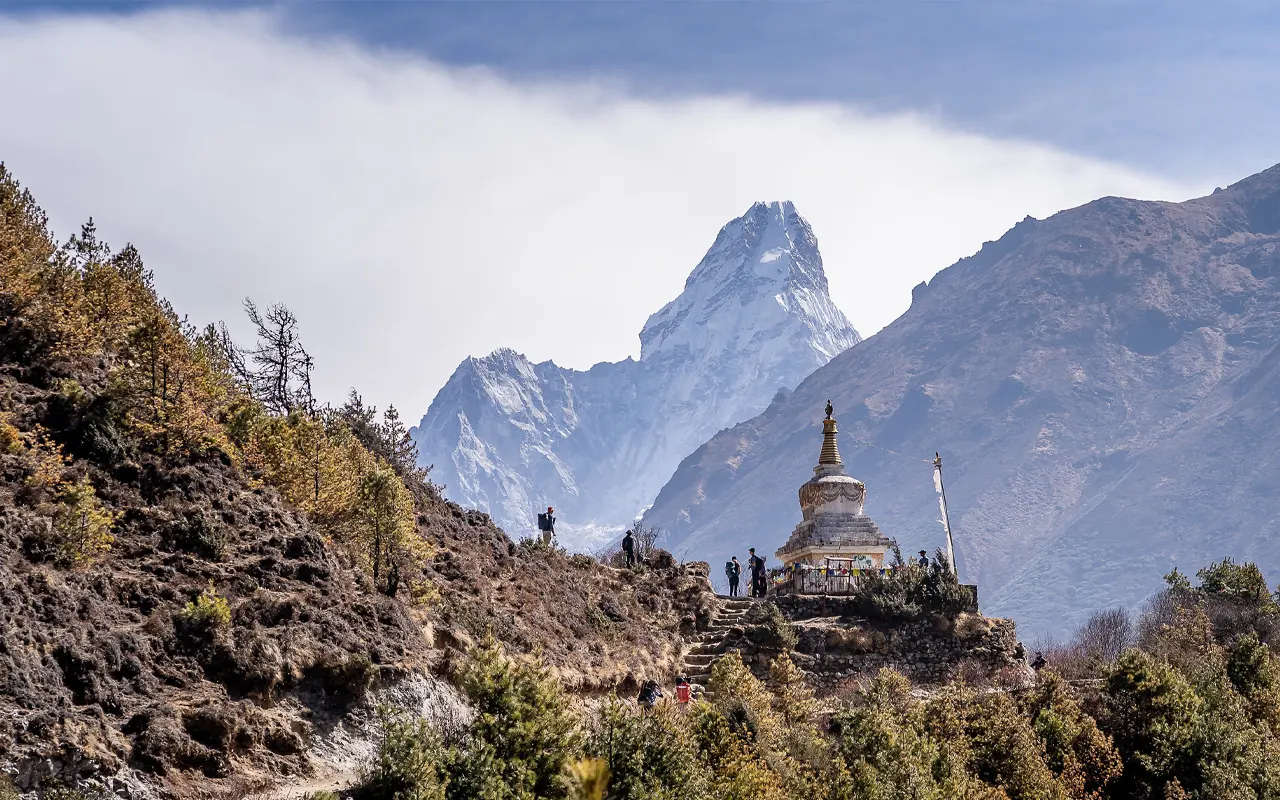
It is possible to visit the popular Tengboche Monastery, which has some beautiful artwork and a spiritual aura. This is a picturesque place where you will spend the night.
You will wake up to a beautiful scenery of Ama Dablam. You will then proceed with your walk to Dingboche after breakfast. The track is ascending and traverses woods, brooks, and small villages.
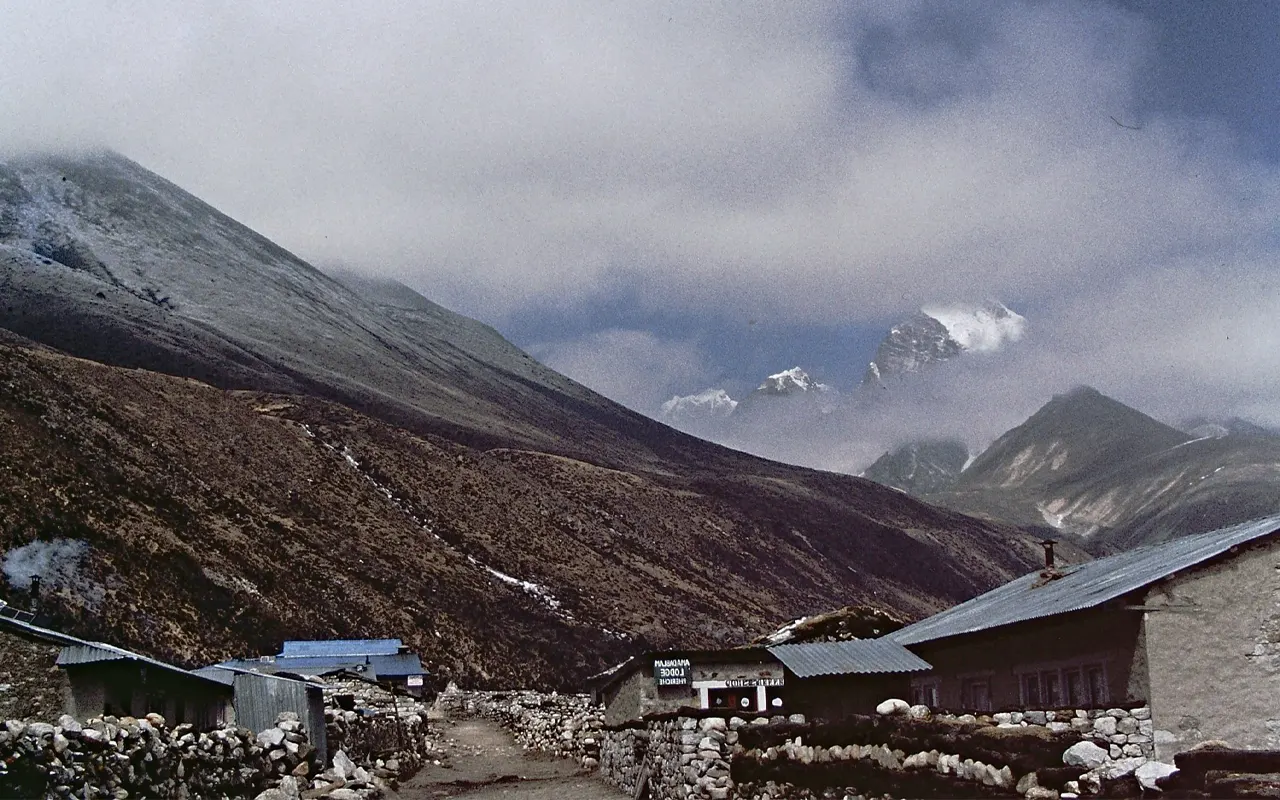
You will take the Imja Khola and go through the little villages on your way. The scenery is more open as you ascend. You will pass by Pheriche and a green grassland before getting to Dingboche (4,410 m / 14,468 ft).
This is a quiet village with a picturesque landscape and is encircled by mountains. You will stay here, sightseeing around and have a sleep.
The journey is difficult now because you have to go higher. The path gets steeper and the flora is slowly disappearing, giving way to rocks. You will move to Dughla and ascend to Memorial hill where there are climbers’ memorials.
After a brief rest, you will resume trekking towards Lobuche. The trail consists of rocky and snowy areas, and the trip is more challenging.
Within several hours of walking, you will arrive at Lobuche (4,910 m / 16,109 ft). The views around the mountains and valleys are remarkable. You will spend the night in Lobuche and get ready for the following day’s adventure.
It is one of the most thrilling days of the Short Everest Base Camp Trek. You start trekking to Gorakshep after breakfast. The route is along the Khumbu Glacier and is rocky and difficult.
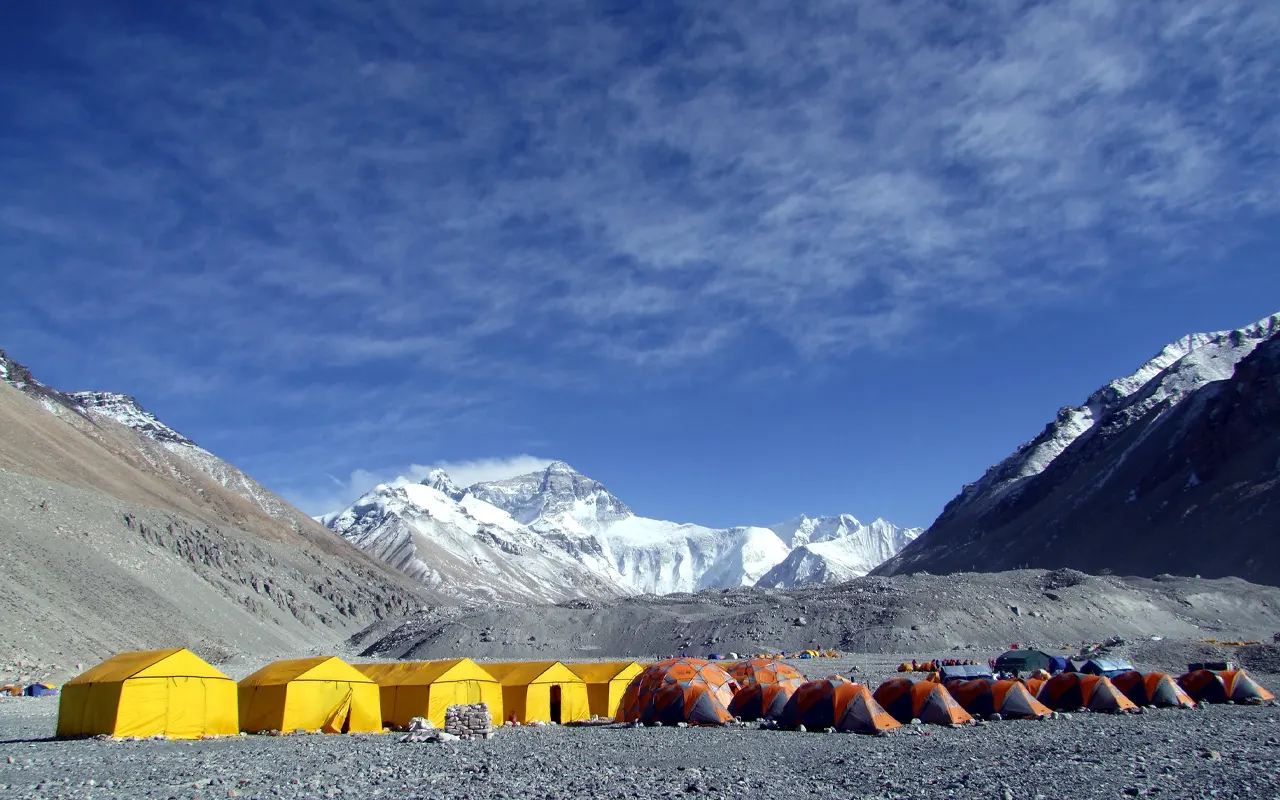
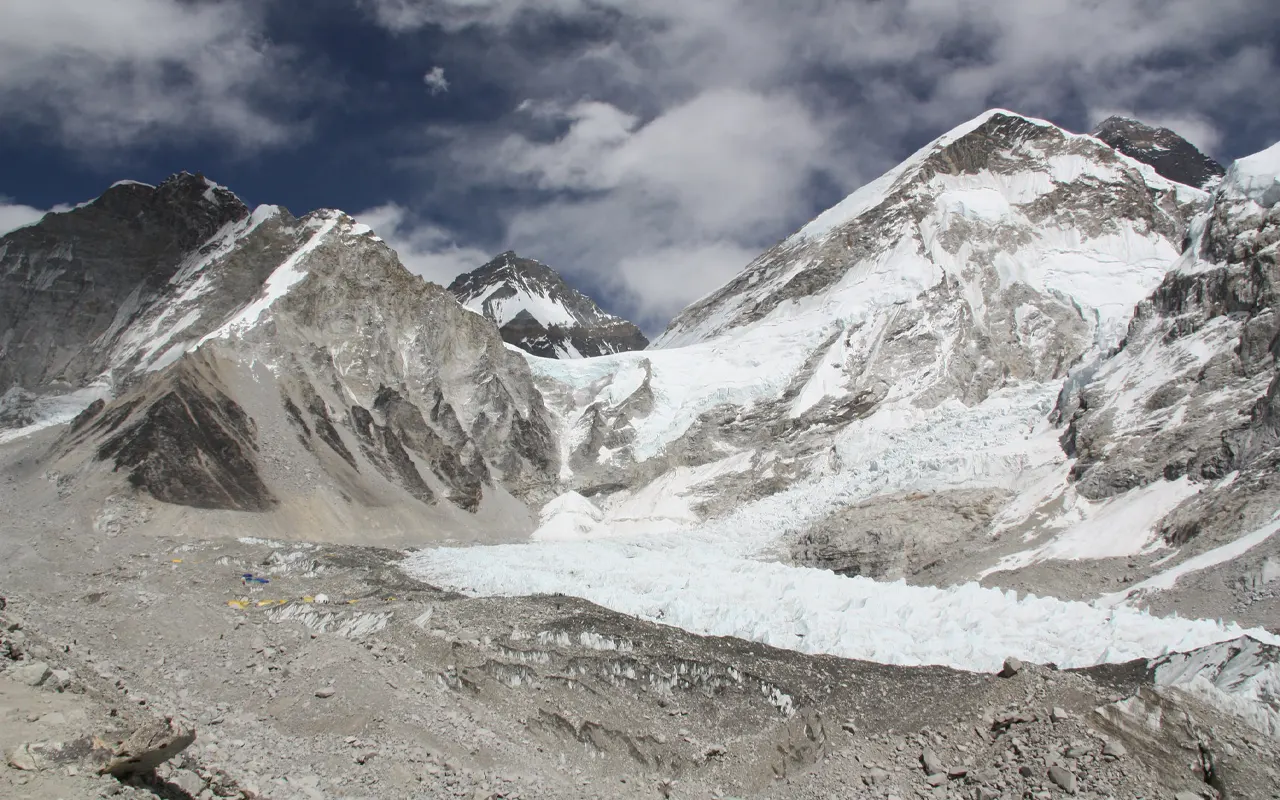
After reaching Gorakshep (5,164 m / 16,942 ft), you will take a short rest before continuing to Everest Base Camp. The path is difficult but rewarding. In a couple of hours, you will reach the Everest Base Camp (5,364 m / 17,597 ft).
At the base camp, you will be able to have splendid views of Everest and other nearby peaks. You will spend some time at the base camp, after which you will return to Gorakshep to spend the night.
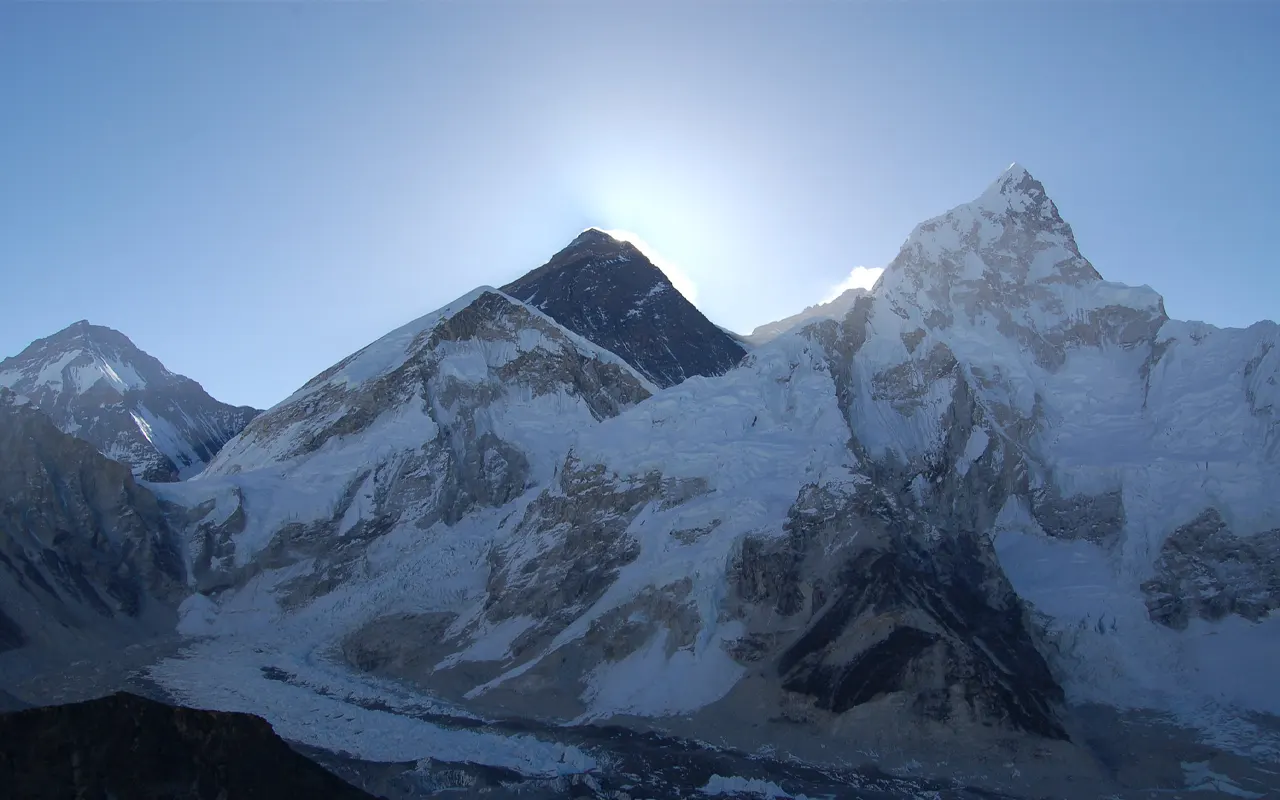
In the early morning, you will walk to Kalapatthar. It is a steep climb with breathtaking views. From Kalapatthar (5,545 m / 18,192 ft), you will be able to have a panoramic view of Mount Everest and other nearby mountains. It is particularly during the beautiful sunrise.
When you have seen the views, then you will go down the trail again. The trail goes on along the Khumbu Valley to Pangboche. The walk is easier as you lose altitude.
You will arrive at Pangboche (3,985 m / 13,074 ft) in the evening, where you will spend the night in a teahouse.
You will start the descent to Namche Bazaar in the morning after breakfast. It is not a difficult trail when you go down the hill with forests and villages. You will go through Tengboche and will see the monasteries and natural scenery.
The path goes on through green trees and fresh mountain air. Beautiful hills and valleys will be seen as you walk. Several hours later, you will arrive in Namche Bazaar (3,440 m / 11,286 ft). You will stay the night here and have your rest after the long hike.
You are going to walk back to Lukla today. The route is along the river Dudhkoshi and crosses through forests and suspension bridges. On the way, you will find birds and wildlife, including the national bird, Danfe.
The walk has descents and little ascents. You will have the pleasure of seeing Everest, Lhotse, and Nuptse as you go on. After several hours of walking, you will reach Lukla (2,850 m / 9,350 ft). This is the last day of your Short Everest Base Camp Trek. You will spend the night in Lukla.
You take a short flight back to Kathmandu on the last day. You will go to Lukla airport after breakfast. The 30-minute flight is a final opportunity to see the Himalayas. You will observe mountains, hills, and valleys above.
On reaching Kathmandu, you will be taken to your hotel by a private vehicle. That is where your Short Everest Base Camp Trek journey ends. You may have some free time or sightsee the city.


The weather is a significant factor that is significant in the planning of the Short Everest Base Camp Trek. Spring (March to May) and autumn (September to November) are the most appropriate seasons to visit. The skies are generally clear during these months, and the mountain views are at their best.
The weather is moderate, so trekking is comfortable during the day, but at night, it remains cold, particularly at higher altitudes such as 5,364 m (17,597 ft). The spring season has rhododendron forests, and the autumn season has clear air and excellent visibility.
Winters are much colder, and snow covers the trails; monsoon season rains and clouds in the sky make travelling more challenging. The right season must be selected to have a safer and more enjoyable Short Everest Base Camp Trek experience.
In the Short Everest Base Camp Trek, the trail will have numerous healthy and delicious meals. The majority of teahouses have local food such as dal bhat, rice, lentils, and vegetables. This is a favorite meal since it will give one energy to last longer days during trekking.
There are also such items as noodles, soups, fried rice, and bread. Food varieties can be reduced as you climb up, particularly around such locations as Tengboche. Hot beverages like tea, coffee, and hot lemon are easily accessible and keep you warm.
It is also necessary to drink a lot of fluids to be hydrated and prevent issues with the altitude. Food is simple but fresh and nourishing. Eating in the mountains is part of the Short Everest Base Camp Trek adventure, and you are presented with an opportunity to savor local flavors.
The issue of altitude sickness is prevalent in the Short Everest Base Camp Trek. When you are getting higher, and particularly above 3,000 m (9,843 ft), the air becomes thinner, and your body takes time to adapt to it.
The symptoms can be described as a headache, dizziness, nausea, and tiredness. One should walk slowly and rest when necessary. It can also help to be hydrated and avoid alcohol. This is especially important in the 10-day Everest Base Camp Trek, where the shorter schedule requires careful attention to proper acclimatization.
If the symptoms become serious, it is best to go lower. It is important to listen to your body. Altitude sickness can be controlled with proper planning and awareness, and you can comfortably enjoy the Short Everest Base Camp Trek and arrive at your destination.
The Short Everest Base Camp Trek requires good preparation. Even though it is a shorter itinerary, long walking hours and elevated altitudes are still involved in the trek.
A couple of weeks before your trip, you need to start training. Pay attention to such activities as walking, hiking and light cardio exercises to develop stamina. Leg and core strength training can be useful. You do not need to be excessively fit but having a basic level of fitness makes the trek easier and more enjoyable.
The Everest Short Trek involves mental preparation because the path involves steep areas and different landscapes. It is necessary to pack the appropriate gear such as warm clothes and appropriate shoes. You need to be well prepared to meet the challenges of the trek and enjoy the experience.
You must get your visa and permits before beginning the Short Everest Base Camp Trek. A Nepal visa is available on arrival at the Tribhuvan International Airport for most of the travelers.
To do trekking, you will require a Sagarmatha National Park and Khumbu Pasang Lhamu Rural Municipality permit. Such permits are needed to travel and walk in the Everest area. It is easy to do and can be organized through your trekking agency.
Himalayan Pathways obtains all the required documents to make your Short Everest Base Camp Trek hassle-free. It is also important to carry your permits with you everywhere since they are inspected along the trail. The right paperwork will make your trek legal and safe so that you can enjoy the mountains.
The Short Everest Base Camp Trek is very sensitive to health and safety. Trekking at high altitude, particularly above 4,000 m (13,123 ft), is physically strenuous. Good hygiene, consumption of safe water, and intake of well-cooked food should be maintained.
It is advisable to have a first aid kit. The guides and porters assist you throughout the trek. The weather is unpredictable, which is why it is better to keep up with it. Risks may be avoided by following safety rules and listening to your guide.
The Everest Base Camp Short Trek is not particularly hazardous as long as it is planned ahead of time, and preparation and awareness are important.
The Short Everest Base Camp Trek with Himalayan Pathways includes transportation. It typically starts with a Kathmandu to Lukla flight. It is a short flight that has spectacular scenery of the mountains and serves as the primary entry point to the Everest area.
Starting at Lukla, walking is done throughout the Everest region. The journey back also involves the flight back to Kathmandu. The weather can cause flight delays in certain instances, and a flexible schedule can be useful.
There are private transfers of vehicles in Kathmandu from the airport to hotels. The flight and trekking make the Short Everest Base Camp Trek journey one of a kind and thrilling. With good planning of transportation, the beginning and end of your adventure will be smooth.
The Short Everest Base Camp Trek is highly recommended to be under travel insurance. As the trek is high, and goes to 5,545 m (18,192 ft), there is a constant danger of falling ill or getting hurt due to altitude.
An efficient insurance plan must include high-altitude trekking and helicopter rescue. There is a shortage of medical facilities in remote areas, and therefore, evacuation may be required in severe cases. Insurance also gives you a sense of peace so that you can concentrate on the experience.
Before buying a policy, ensure that it covers the entire period of your visit and includes trekking activities. Proper insurance is a good and sensible decision to be made by any trekker going into the Himalayas.
The Short Everest Base Camp Trek has several alternative paths that can be taken, which provide varied experiences. There are those itineraries that have days of acclimatization and others that carry slightly different routes along the villages and valleys.
These choices allow the trekkers to tailor their adventure according to their time and preferences. Some options might not go through busy trails and offer a more serene experience. Others can be scenic vistas or cultural attractions. Your route can be chosen based on the time you have available.
Himalayan Pathways has the ability to come up with an appropriate itinerary that allows comfort, safety, and adventure. Taking other trails may help you make your journey more special, and yet you can still get to the Everest Base Camp and experience the beauty of the area.
In the Short Everest Base Camp Trek, one should consider additional costs to the package. These can be personal expenses like snacks, bottled beverages, hot showers, Wi-Fi, and charging electronic devices.
The higher the altitude, particularly towards 5,164 m (16,942 ft), the higher the prices will be because it will be hard to deliver products. You might even wish to tip guides and porters, and it is a usual tradition in Nepal. Villages along the trail have souvenirs and other small items of local interest.
It is advisable to carry some cash since the available options for card payment are limited. It is prudent to have such extra costs, as they will contribute to making the Short Everest Base Camp Trek less inconvenient. It is important to budget in order to have a comfortable and easy time during the journey.
The Short Everest Base Camp Trek is generally easy in terms of communication. The primary language is Nepali, but a significant number of the locals employed in the tourism industry can speak basic English. Communication is not normally an issue in the popular trekking regions.
Knowing a bit of Nepali language will make your stay easier and allow you to communicate with native people. Communication can be a little bit hindered as you climb up to greater heights, such as 3,440 m (11,286 ft), but guides are never too far away to help you.
It is also an excellent chance to communicate with Sherpa communities and get to know their culture on the Everest Short Trek. Respect and patience in communicating will make your Short Everest Base Camp Trek more worthwhile and pleasant.
The Short Everest Base Camp Trek has internet and mobile network, which are not very fast or reliable. Most of the teahouses have Wi-Fi at a fee. Mobile networks such as NTC and Ncell can be used in certain places, particularly at lower altitudes. The higher you get, though, the less connected it is.
Electronic devices can be charged at teahouses, although a small fee may be charged. It is suggested to have a power bank or spare batteries. It is a good practice to keep your devices warm in order to preserve the battery life in cold environments. Although it is possible to remain connected, this trek is also an excellent opportunity to take a digital detox and see nature.
It has some significant things to keep in mind when it comes to the Short Everest Base Camp Trek. Do not walk too fast as it can lead to exposure to altitude sickness, particularly at elevations higher than 3,000 m (9,843 ft).
Be careful to avoid untreated water and always follow safe drinking practices. Do not neglect the symptoms of tiredness or sickness. Do not litter the trail because it is necessary to preserve the environment.
Observe local customs and traditions and do not enter into religious places or people’s houses without permission. Do not smoke or drink alcohol at higher elevations. By adhering to the following easy tips, it is possible to make sure that the experience of trekking is safe and responsible.
The Short Everest Base Camp Trek can be done by beginners with basic fitness. Though it is a long walk and the path gets to altitudes such as 5,364 m (17,597 ft), it does not require any technical climbing skills.
Even first-time trekkers can make the trip with proper preparation. Everest Base Camp Short Trek is a is aimed at people who have very little time but are still able to have an enriching experience. It is significant to walk slowly and have enough rest.
It is possible to have a guide and make the trek easier and safer. The beginners can have this adventure with the right attitude, preparation and assistance from Himalayan Pathway and make it to the Everest Base Camp.
A large number of trekkers opt to extend their Short Everest Base Camp Trek in order to cover greater areas in Nepal. Once the trek is over, you may visit such places as Pokhara, Chitwan, or Lumbini. These are the places that are going to provide various experiences, including lakes and jungles, and cultural sites.
Some trekkers also extend their stay in the Everest region to explore other viewpoints or villages in the region. Although the trek reaches high altitude, such as 5,545 m (18,192 ft), you can extend your journey afterward to relax and enjoy sightseeing.
Himalayan Pathways assists in making tailored extensions according to your preferences. The additional days to your trip can help you have a complete and pleasant experience of traveling in general.
The Short Everest Base Camp Trek provides numerous possibilities for photography. Endless moments can be captured: mountain views, local culture, and so on. Nevertheless, it has some rules to be observed.
Always seek permission before taking pictures of people or monasteries. The use of drones is not allowed in most places, particularly in Sagarmatha National Park. Flying drones need special permits, and there are rules that need to be adhered to.
At higher altitudes like 5,364 m (17,597 ft), weather conditions can affect photography and drone use. Adherence to these regulations would ensure the preservation of the environment and the local culture, as well as enable you to have fun taking photos of your trek.
The Short Everest Base Camp Trek does not purely focus on mountains but on culture. On the way, you will be exposed to local festivals in the Sherpa community. Festivals such as Mani Rimdu have been held in monasteries and have traditional dances, prayers, and rituals.
Such events provide a better insight into the local traditions. In even the villages of 3,860 m (12,664 ft), you are likely to encounter colorful prayer flags and religious rituals. The trek has a special meaning because of these cultural experiences. Treating the local cultures and traditions with respect may make your travel more worth remembering and richer.
When it comes to your first Short Everest Base Camp Trek, you can have a few easy tips that will help you have a smoother trip.
Prepare in advance by training properly and bringing the right equipment. One should always walk at a regular pace and keep hydrated, particularly at higher levels such as 4,410 m (14,468 ft). Bring along a basic first aid kit, warm clothing, and a reusable water bottle.
Listen to your guide and take safety precautions. Bring some spare money to meet the little expenses on the road. It is also good to be flexible with your schedule because of potential flight delays.
When well prepared and in the right attitude, the experience of your first trek can be safe, fun, and memorable.

Lukla flights are subject to weather changes which are usually delayed or rescheduled. Travelers are advised to have buffer days so that they can comfortably cope with any form of itinerary disruption.
There is an ATM only at Namche Bazaar (3,440 m / 11,286 ft), and it is not reliable. Bring enough cash in advance from Kathmandu.
The teahouse lodges offer basic twin sharing rooms with simple beds, blanket and common bathrooms. Facilities are more primitive the higher the altitude.
There is bottled water that is costly and not environmentally friendly. Instead, purification pills or filtered water should be used.
The majority of teahouses offer squat or western toilets. At elevated altitudes, amenities are less complex, and they might lack running water.
Solo trekking is limited in most places. Having a licensed guide is safe, there is facilitation on navigation, and a more educational trekking experience.
The night temperatures may fall lower than the freezing point above 4,000 m (13,123 ft). Sleeping bags and warm clothes are necessary.
In certain villages, such as Namche, there are basic medical posts. Severe cases need to be evacuated because there are few developed medical centers.
Use water purification pills, UV purifiers or boiled water as supplied by teahouses. Waterborne illnesses should be prevented by avoiding untreated sources.
You can find Himalayan tahr, musk deer and colorful birds such as Danfe. In the lower forested areas, it is more likely to see wildlife.
Flights to Lukla usually permit approximately 15 kg of total luggage, including hand carry. Additional charges can be made for extra weight.
Arrangements can be made for descent or helicopter evacuation. Guides will help you to arrange safe alternatives according to your condition.
Tipping is not obligatory, but very welcome. It is seen as a decent means of appreciating the work of trekking staff.
Observe local traditions, dress modestly, go clockwise around places of worship, and do not take pictures without permission.
It is advisable to book at least a month or two before peak seasons in order to secure flights, guides, and accommodation availability.

