Weather and Best Season
Dhampus Sarangkot Trek could be experienced during any season, but spring and autumn are the most appropriate. In spring (March-May), it is not very hot, and the hills are full of flowers, particularly rhododendrons. The autumn (September-November) has clear skies and consistent weather and is thus ideal for mountain views. The climate is pleasant, particularly in the low altitudes.
This Short Dhampus Sarangkot Trek can also be done in winter, but mornings and evenings are cold. During the summer or monsoon, there will be rain, and this will cause the trails to become slippery and also decrease the visibility of the trail, but the scene turns extremely green.
Selecting the appropriate season will assist you in appreciating the entire magnificence of the Dhampus Sarangkot Trek Itinerary. This is a short walk that can be made easily throughout most of the year with a little planning, and the choice of weather and views.
Foods and Drinks
In the Dhampus Sarangkot Trek, you will have basic and nutritious meals at the local teahouses. Traditional Nepali food, such as dal bhat (rice, lentils, vegetables, and pickles), is served in most places. This is a healthy meal and gives one good energy to walk. Noodles, soups, fried rice, pasta, and eggs are also available.
Hot beverages like tea, coffee and ginger lemon honey tea are usual. They are good for the cool mornings and evenings. There is bottled water, but most of the trekkers use purified or filtered water.
Food options are similar throughout the trek, and meals are freshly prepared every day. Himalayan Pathways provides trekkers with clean and safe food on their way so that the journey becomes enjoyable and comfortable.
Altitude Sickness
Altitude sickness is not a significant issue during the Dhampus Sarangkot Trek since the altitude is not high. The highest point of the trek is approximately 1,650 m (5,413 ft) which is usually safe for most individuals.
Nevertheless, it is necessary to pay attention to your body and stay hydrated. On this Short Dhampus Sarangkot Trek, some individuals might experience a bit of tiredness caused by walking or routine alterations but severe symptoms are highly uncommon. A slow pace of walking and short rests will enable your body to adapt.
The trek is gradual and comfortable, so it is considered suitable for beginners and families. Through rest, hydration and awareness, you will be able to enjoy the trek without worrying about the problems caused by altitude.
Preparation and Fitness
Dhampus Sarangkot Trek is said to be an easy and beginner-friendly trek. It does not necessitate any special fitness, although some simple physical conditioning is beneficial. Before the trip, regular walking, light exercise, or little hikes can make your life easier during the trek.
The trail requires walking up and down hills and its surroundings, so being in good shape will make it a more enjoyable activity. This trek requires comfortable walking shoes, light clothes, and a small backpack.
The trek is concise and time-efficient, and is therefore appropriate for most of the travelers. The trek is easy to complete with the right attitude and a little preparation, and you can have all the fun.
Visa and Permits
The tourists visiting Nepal to do the trek require a valid tourist visa. This can be received upon arrival at Kathmandu Airport or at land border points. It is an easy process, and the majority of nationalities are admissible.
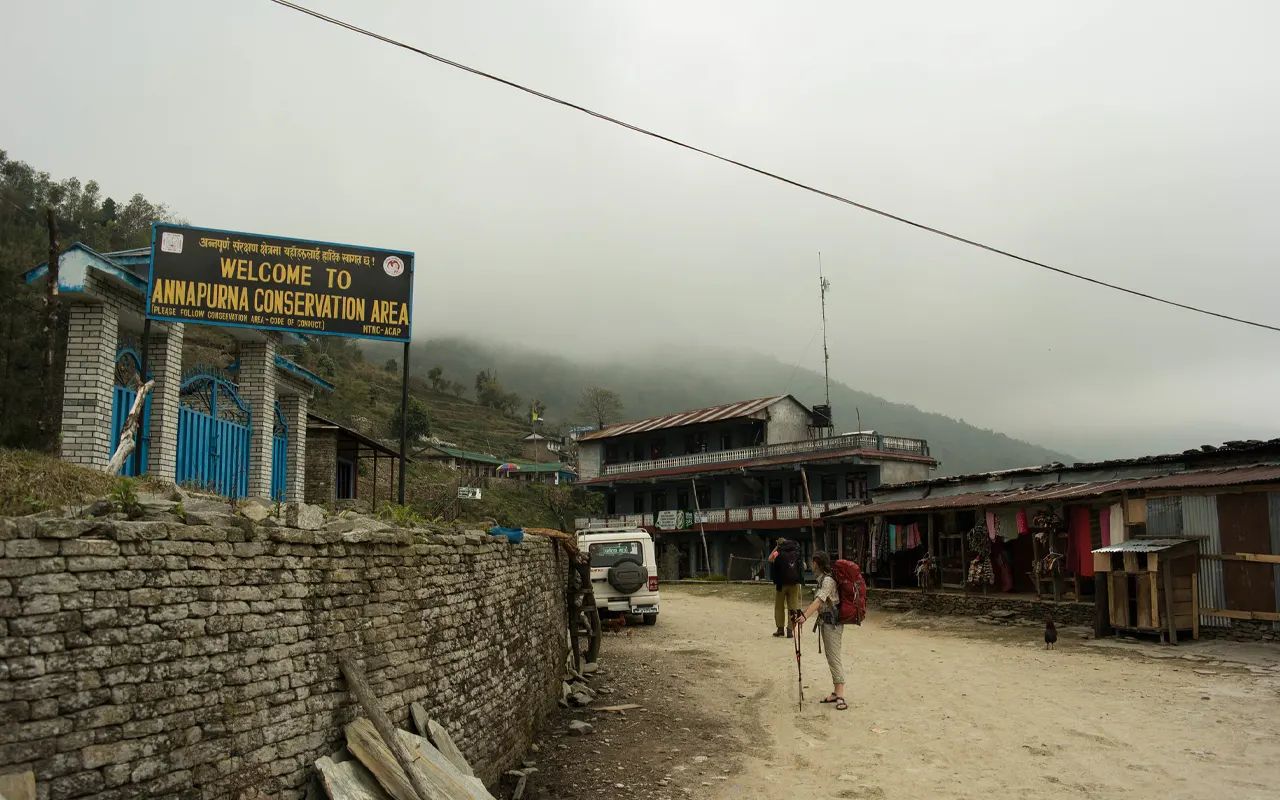
In the case of permits, trekkers typically require an Annapurna Conservation Area Permit (ACAP). The trek extends up to 1,650 m (5,413 ft) in the Annapurna area; therefore, this permit incurs expenses to aid conservation.
It is a simple procedure, and Himalayan Pathways assists in making all the necessary documents. The Dhampus Sarangkot Trek involves these formalities to have a smooth traveling experience.
Health and Safety
The Dhampus Sarangkot Trek is mostly secure and can be undertaken by most tourists. The tracks are well-marked and go through the villages, and one can easily get assistance when required. The maximum height is approximately 1,650 m (5,413 ft), and therefore, there are low health risks.
Basic first aid, hydration, and proper clothing are important. The weather may change so it is a good idea to have a light jacket and rain protection. Taking small steps on stones and rough trails can prevent minor injuries.
Himalayan Pathways provides adequate guidance and support during the trek. Dhampus Sarangkot Short Trek is safe, so you can enjoy the trip without worrying. This awareness and preparation will enable you to enjoy a good and safe trekking experience.
Transportation
The Dhampus Sarangkot Trek transportation is easy and comfortable. The trip normally begins with a ride from Pokhara to Phedi, which takes approximately 30-40 minutes. Once you are through with the trek, you come back to Pokhara by walking.
Depending on your choice, local bus or private transport can be booked. The roads pass through picturesque countryside and villages. This renders the traveling experience easy and pleasant.
The trek includes all transportation details, making it easy for trekkers to plan their trip. Himalayan Pathways provides you with comfortable transfers, so that your trek will be smooth and fun.
Travel Insurance
Even though the Dhampus Sarangkot Trek is a low-altitude and short trek, it is advisable to have travel insurance. Insurance covers the unforeseen events like sickness, accident, or delay of trips. It is always advisable to be prepared even at low altitudes such as 1,650 m (5,413 ft).
An effective insurance policy must encompass insurance in health and emergency. Although this trek is not associated with high risks, insurance would provide an added safety and peace of mind.
Dhampus Sarangkot Trek Itinerary is easy and secure, yet unexpected circumstances may occur during travel. To help trekkers have a stress-free time, Himalayan Pathways recommends obtaining insurance before going on the trek.
Alternative Routes
The Dhampus Sarangkot Trek has a number of other trails you can follow. Some trekkers decide to make the trip longer by including nearby villages or viewpoints. As an example, you may add Australian Camp or proceed to other foothill trails of Annapurna.
These choices can enable you to tailor your trek depending on time and interest. The trails are not challenging and can be followed by beginners.
Himalayan Pathways has the capability to develop customized routes that suit your needs. You wish to walk a little more or to take another scenic route, the trek has numerous options to discover the beauty of the Annapurna region in an easy and fun manner.
Your Extra Expenses
Most of the basic expenses, such as meals and accommodation, are normally provided as part of the package during the Dhampus Sarangkot Trek. Nevertheless, some additional costs have to be taken into consideration.
Snacks, bottled beverages, and hot beverages could be an additional cost at trail teahouses. You can also make expenditures on souvenirs, tips for guides and porters, or minor personal purchases in the nearby villages.
Some places may also charge for charging electronic devices, using Wi-Fi, or having a hot shower. These are minor costs that tend to accumulate when the trip is in progress.
The trek is not very complicated, and it is good to have some additional cash in Nepali rupees so that it is convenient to purchase anything you need on the trail. It is best to plan for these small extra costs in advance so you can enjoy your trek without any worries.
Language and Communication
Language is not a significant obstacle in the Dhampus Sarangkot Trek. Nepali is the native language of most locals, although simple English is common in teahouses and villages. This facilitates communication among the travelers during the trek.
Basic greetings such as Namaste are welcomed and contribute to establishing cordial relationships with locals. People on the trail are friendly and helpful. Communication is generally easy and understandable, even with a language barrier.
Himalayan Pathways guides can fill in any communication gaps and exchange any helpful information regarding the culture and surroundings. The trek is a wonderful chance to get to know local people and have a friendly and peaceful atmosphere.
Internet, Gadget Charging, and Mobile Network
During the Dhampus Sarangkot Trek, internet and mobile connectivity are present, although they might not be of great speed. Villages such as Dhampus and Sarangkot in the elevations of approximately 1,650 m (5,413 ft) have numerous teahouses which provide Wi-Fi at a minimal charge. The connection can, however, be slow.
There is mobile network coverage in most parts of the trail, although there are places where the signal is weak. During the trek, it is useful to notify family or friends of limited connectivity.
Teahouses usually charge an extra fee for charging phones and cameras. Carry a power bank for backup. Simple preparation enables you to be in touch and, at the same time, enjoy the quiet nature.
Don’ts of This Trip
While enjoying the Dhampus Sarangkot Trek, it is important to follow some simple guidelines. Littering should be avoided on the trails, and the natural environment should be respected at all times. The area surrounding is beautiful and clean, and it is the duty of everyone to maintain it.
Do not disturb local culture or traditions. Wear modest clothes and ask permission before taking pictures of people. Loud behavior and disrespectful actions should be avoided in villages and teahouses.
It is also not advisable to rush the trek. The trek is organized in a leisurely manner, and therefore, you should take your time and savor the adventure. These are the few, easy-to-remember don’ts that will make the Dhampus Sarangkot Short Trek a respectful and delightful event for all.
Is the Trip Beginner-Friendly?
Yes, the Dhampus Sarangkot Trek is quite suitable for beginners. It is a steep and simple walk with clear paths and a slow ascent. The highest point is approximately 1,650 m (5,413 ft) and thus is comfortable for most people.
Its walking distance is easily achievable daily, and the trek gives one enough time to relax and have fun. They do not need prior experience in trekking, and this makes it suitable for families, individual travelers, and first-time trekkers.
A person with basic fitness and the right attitude can do this trek. Himalayan Pathways provides guidance and support, ensuring a safe and enjoyable journey. This trek is a great introduction to trekking in Nepal.
Trip Extension
Dhampus Sarangkot Trek can be extended in various ways depending on time availability. Once you have covered the Dhampus region, you can proceed to other nearby attractions like Australian Camp or visit other villages of the Annapurna region.
Alternatively, you can choose to spend more time in Pokhara and do other activities such as boating in the Phewa Lake or going to local viewpoints. These extensions can enhance the flexibility of your Dhampus Sarangkot Trek and make it more fun.
Himalayan Pathways will help in designing an appropriate extension depending on your interests and time. The trek will provide you with a lot of opportunities to have a better traveling experience in any way you want, whether you want to have a longer walk or you want to relax more.
Photography and Drones Regulations
Dhampus Sarangkot Trek has numerous scenic landscapes; hence, it is ideal for photography. In villages, mountainous scenery, and numerous opportunities to make memorable shots are available.
Always show respect and request permission before taking their photo. This will ensure that there are appropriate relationships with the community.
The utilization of drones in Nepal must be provided with special permission from the authorities. Rules should be checked before bringing or flying a drone. Most regions do not permit unauthorized flying of drones.
This trek consists of numerous picturesque places; thus, you can have a great photography experience without a drone. Obedience to rules leads to a hassle-free and respectful travelling experience.
Cultural Festivals on the Trails
Dhampus Sarangkot Trek traverses through the villages where local culture is still very much alive. When you visit during festive seasons, you can witness celebrations like Dashain or Tihar. These are colorful festivals and replete with local customs.
In the villages, residents decorate their homes, prepare special meals, and gather with family. Tourists are usually warmly welcomed, and they might have an opportunity to see or participate in small festivals.
This trek is even more special during such times, as it is a more cultural experience. When indulging in these moments, it is important to respect the local customs and traditions. Festivals give a special flavor to the entire trekking experience.
Travel Tips for First-Time Visitors
When you are going to the Dhampus Sarangkot Trek, it is possible to have a pleasant trip with the help of simple preparation, in case you are going to this region for the first time. Bring minimal but pack necessities such as comfortable shoes, warm clothes, and a reusable water bottle.
Maintain a slow pace and have frequent rest stops to prevent fatigue. Eating frequently and staying hydrated will keep you active. A small amount of cash also comes in handy because not all places accept card payments.
By adhering to the Dhampus Sarangkot Trek Itinerary and heeding your guide, you will find it easy. With a little preparation, your trek will be a pleasant and memorable experience.
 Unbeatable Holiday Offers - Save Up to 20% on Your Next Adventure!