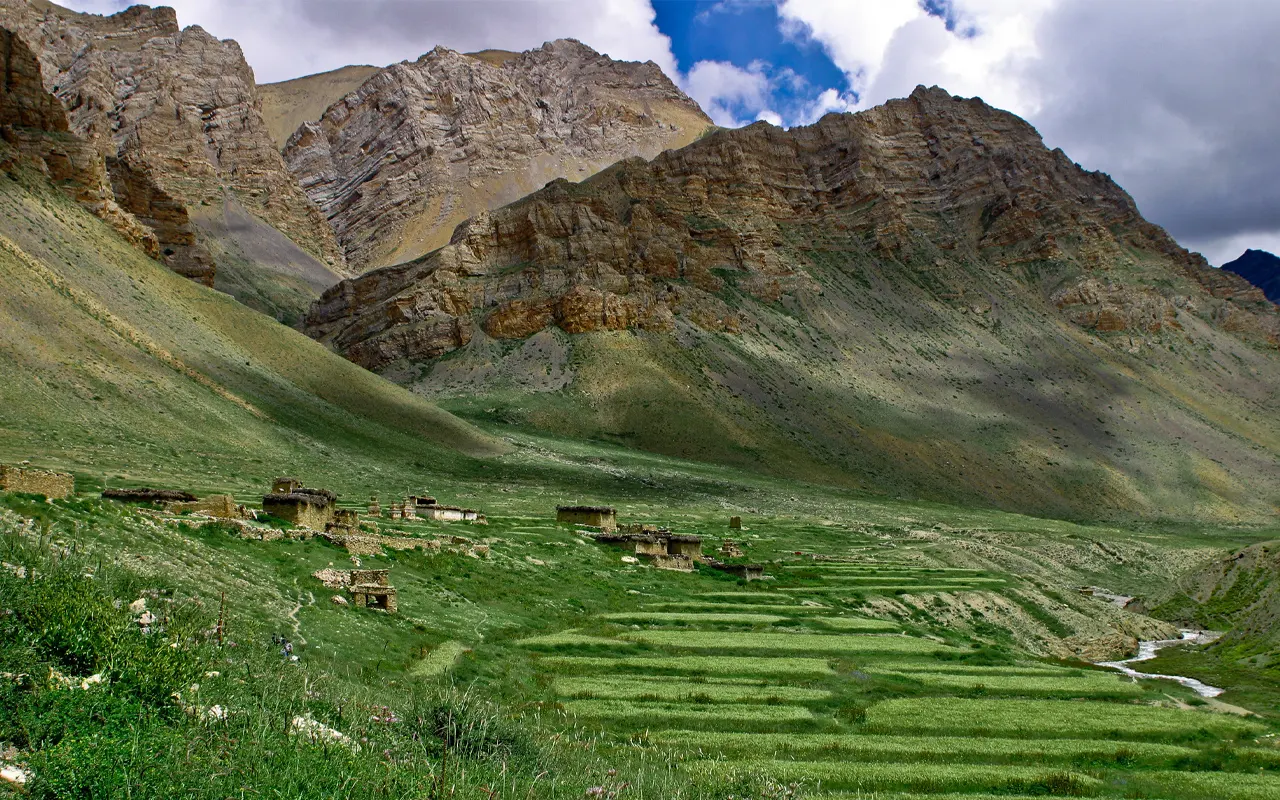
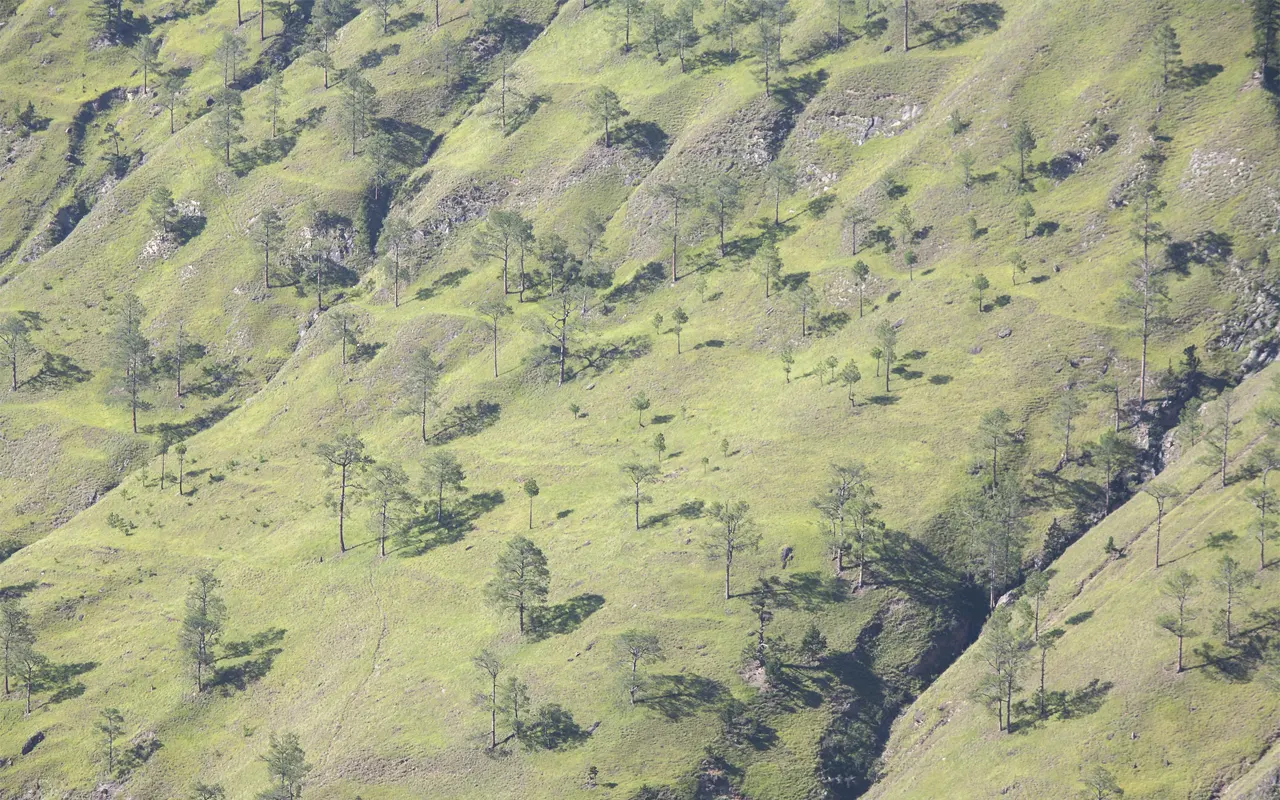
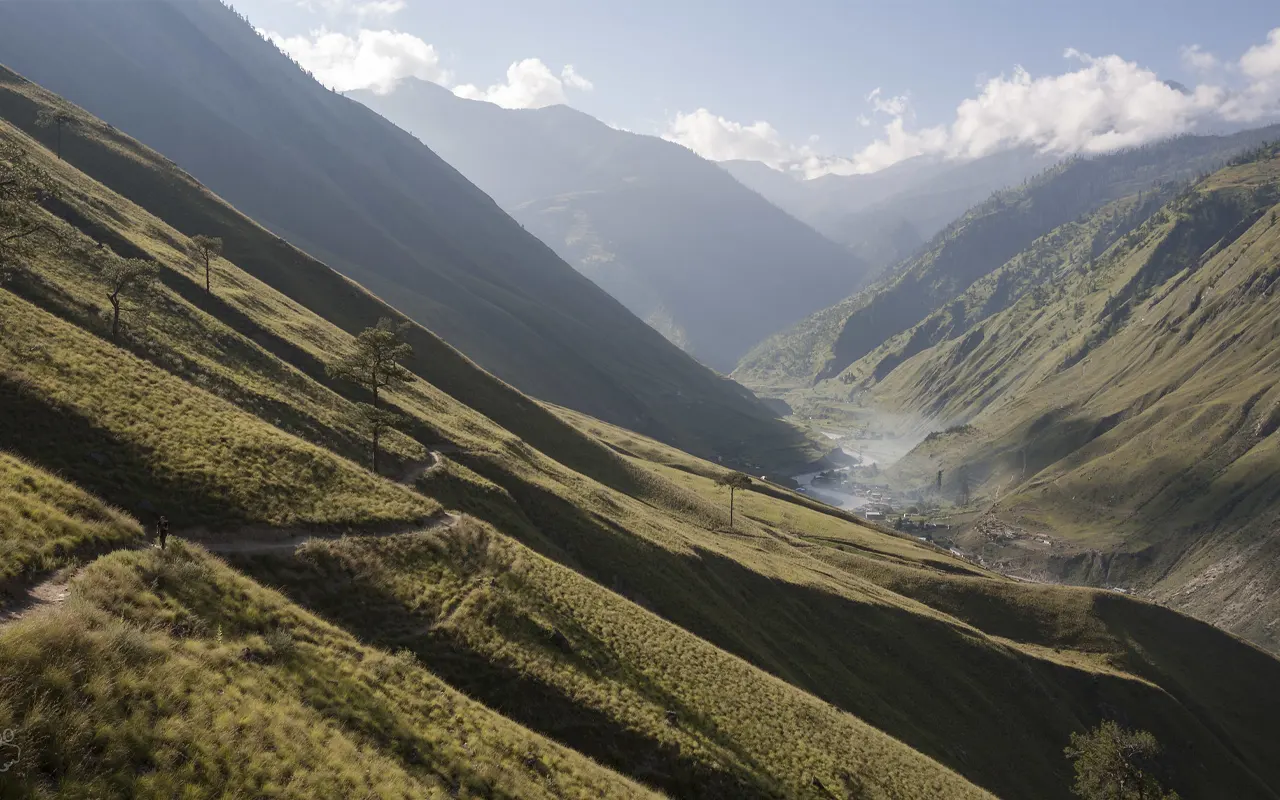
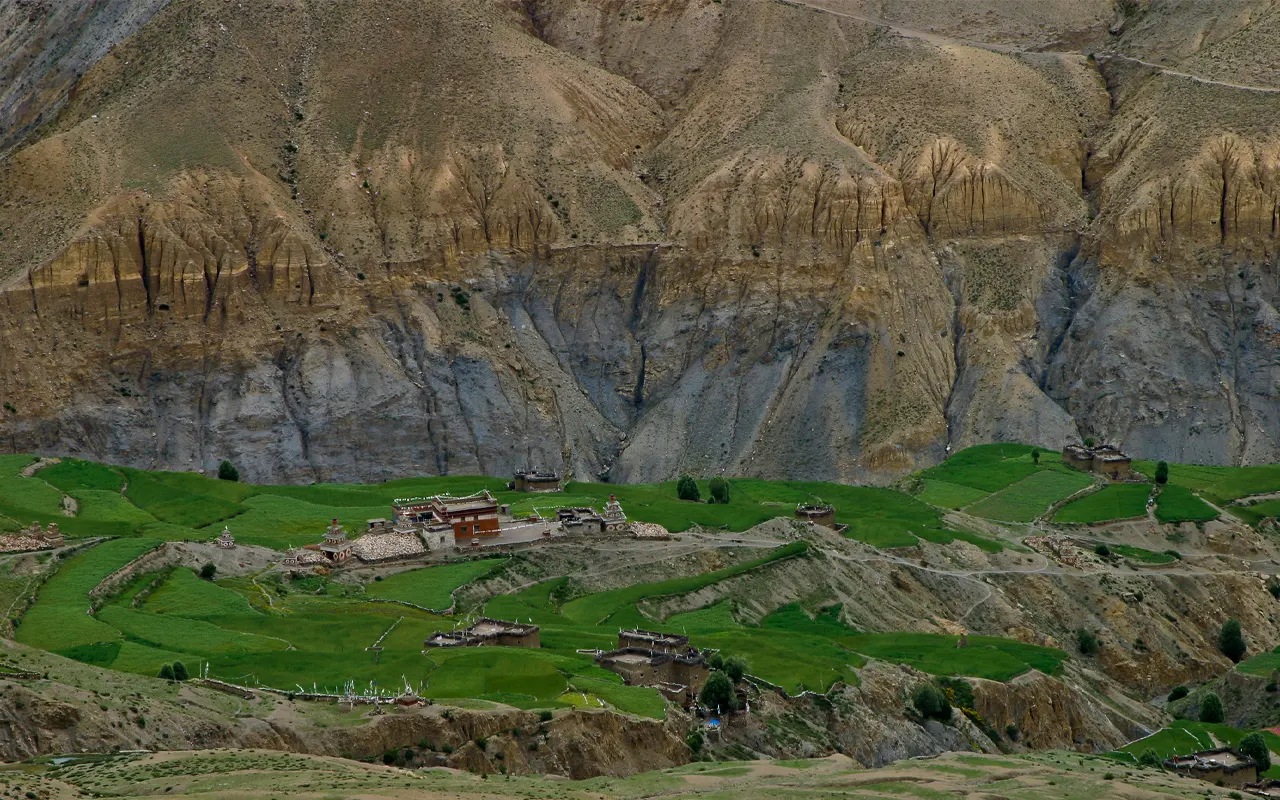
Weather and Best Season
The most appropriate time of the year to have the Upper Dolpo Circuit Trek is in spring (April-June) and autumn (September-October). The seasons are well-balanced with reliable weather, clear skies, and comfortable temperatures for trekking.
During spring, the trekkers are able to see beautiful alpine flowers blooming on the trail and take pleasure in good weather. In autumn, there are good mountain and dry trails.
During winter, there is a lot of snow in the high places, whereas during summer, monsoon seasons can cause the low places on the trails to be wet and slippery.
Foods and Drink
The trekking staff serves trekkers with simple yet healthy food during the Upper Dolpo Circuit Trek. Himalayan Pathways offers a combination of Nepalese, Tibetan, and a few international products for breakfast, lunch, and dinner. Foods eaten in common are rice, lentil soup (dal), vegetables, noodles, pasta, potatoes, and soups. Breakfast can consist of porridge, eggs, bread, and tea.
In higher villages over 3,600 m / 11,811 ft, food choices are reduced, hence the meals are the simplest yet nutritious. It is important to drink as much safe water as possible when the trek is on. During trekking, a minimum of three to four liters of water should be consumed, particularly when you are at high altitudes of approximately 4,500 m / 14,764 ft.
Altitude Sickness
The Upper Dolpo Circuit Trek has the potential for altitude sickness since the walk takes you to high elevations. Certain sections of the trek exceed 5,000 m / 16,404 ft, where the oxygen level is reduced. The typical presented symptoms are headache, nausea, dizziness, and fatigue.
The itinerary of Himalayan Pathways is well-planned, including an acclimatization day in such places as Phoksundo Lake (3,611 m / 11,847 ft), to help the trekkers to adapt to the elevation.
Slow walking, consuming sufficient water, and proper resting are also major remedies for the prevention of altitude sickness. Guides keep a check on the trekkers and take safety measures. The secret of the successful completion of the trek is good acclimatization.
Preparation and Fitness
The Upper Dolpo Circuit Trek can be made safe and fun with the help of good preparation. The trek is characterized by many long trekking days, 5-7 hours a day on average, and elevations of more than 5,000 m / 16,404 ft.
Physical training by the trekkers should start a few weeks prior to the trek. Taking regular hiking, walking, cycling, or cardio activity will build stamina. Leg and core muscle strength training are also useful. Short hikes using a light pack should be practiced before the trek.
Mental training is also necessary since certain regions of the Dolpo area are isolated and primitive. By being fit and well-equipped, trekkers are able to make the adventure more comfortable.
Visa and Permits
Individuals who engage in the Upper Dolpo Circuit Trek require various permits as the area is restricted. The international visitors are expected to have an authentic Nepal tourist visa.
Moreover, trekkers need a Restricted Area Permit of Upper Dolpo and an entry permit of Shey Phoksundo National Park.
Himalayan Pathways deals with the permit system to facilitate the travel of the visitors. The trek goes through conservation zones and ascending mountainous places of over 4,000 m / 13,123 ft; as such, permits are significant in conservation and safety. Permits should be carried at all times when travelling.
Health and Safety
The Upper Dolpo Circuit Trek is very important in terms of health and safety. The trek is done in isolated mountain terrain with few medical centers. Himalayan Pathways offers seasoned guides to maintain good health. Drinking clean water, eating well, and getting good rest are necessary.
Cold climate at a higher altitude of 4,800 m / 15,748 ft. is also an aspect that needs protection by taking personal medicine, sunscreen, and warm clothes. Guides get prepared in case of an emergency and altitude problems. Most travelers safely go through the journey with proper planning and careful trekking.
Transportation
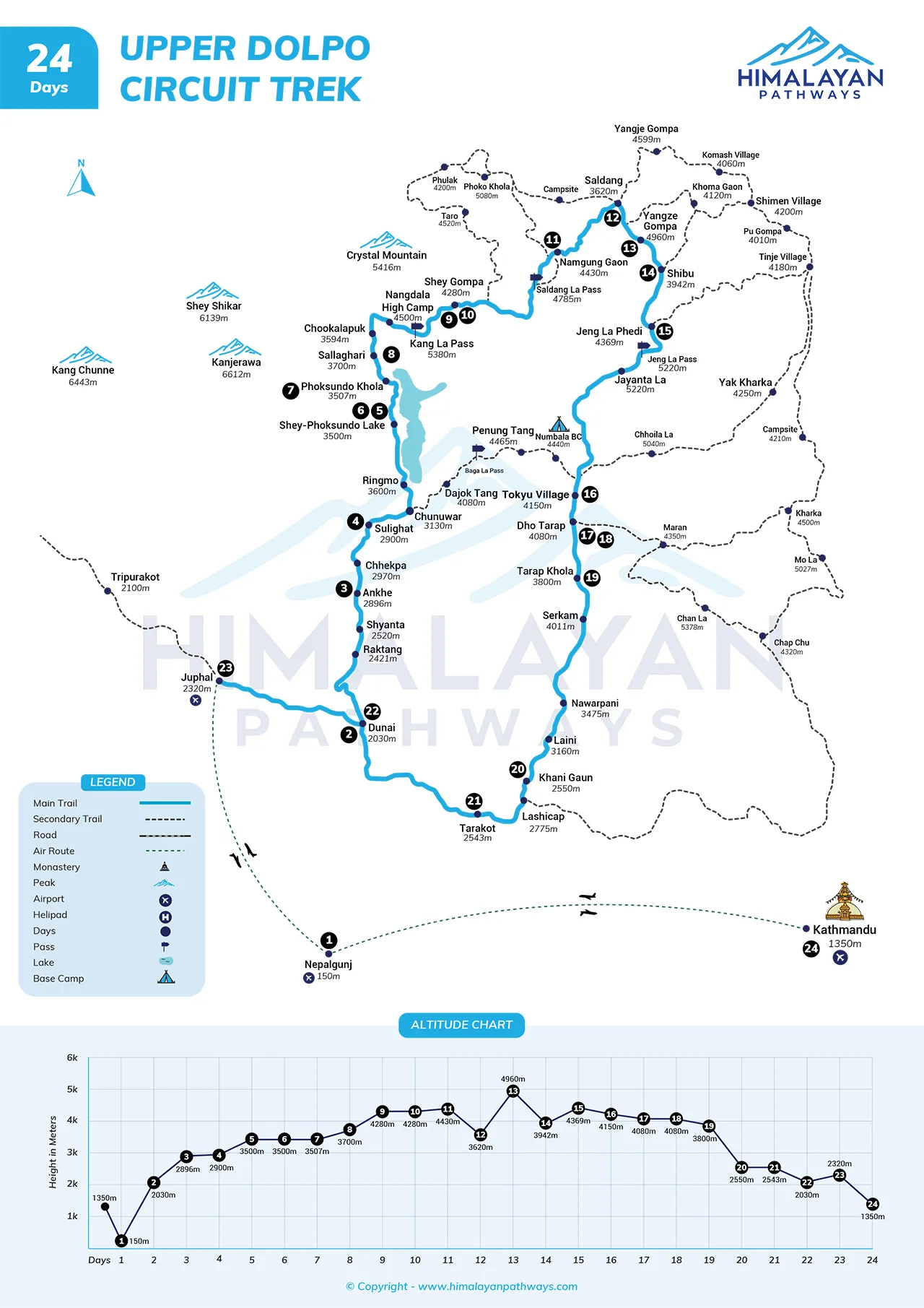
The Upper Dolpo Circuit Trek can typically be accessed by having a flight from Kathmandu to Nepalgunj. From Nepalgunj, a little mountain flight to Jhupal at 2,475 m / 8,120 ft is taken, which is the beginning of the trek. These flights provide a picturesque scenery of hills and the Himalayas. All the transport for the trekkers is organized by Himalayan Pathways, such as airport transportation and domestic flights.
Upon the completion of the trek, the travelers are flown back to Nepalgunj from Jhupal and further to Kathmandu. Due to the reliance of the flight on the weather situation within the mountains, there can be certain delays, particularly in places with elevated areas.
Travel Insurance
Anyone going to the Upper Dolpo Circuit Trek should highly consider travel insurance. High-altitude trekking, medical care, and helicopter evacuation against any emergency are to be covered by insurance in remote mountain areas that might be more than 5,000 m / 16,404 ft. deep.
Since the Dolpo region is remote, evacuation can be done by helicopters in serious cases of high-altitude sickness or injuries. Proper insurance is a source of peace and protection. Trekkers are advised to review their insurance policy to ensure that high-altitude trekking is covered by the insurance policy.
Alternative Routes
Although the Upper Dolpo Circuit Trek is the most frequented trail in the area, other trails can also be undertaken in Dolpo on treks. Some trekkers prefer the Lower Dolpo Trek, which tours the beautiful mountain surroundings around the Phoksundo Lake at 3,611 m / 11,847 ft with fewer high passes.
The other alternative is the Shey Phoksundo Trek, which emphasizes the national park area primarily.
The Himalayan Pathways is able to organize tailor-made trekking trails based on the time and experience of trekking. These options continue to provide beautiful Himalayan views, Tibetan culture, and isolated mountain walking experiences, though they offer a bit shorter or less challenging trekking.
Your Extra Expenses
Most of the key expenses of the trek, including guides, meals, accommodation, and permits, are typically covered within the trekking package during the Upper Dolpo Circuit Trek. Nonetheless, personal costs should also be planned by the trekkers. This can be snacks, cold beverages, hot showers at certain villages, or minor purchases in the local shops.
In isolated communities above 4,000 m / 13,123 ft, supplies are scarce and can even be costlier due to the fact that the good is carried by animals. Himalayan Pathways suggests that one carry a bit of additional cash in Nepalese rupees to spend on one’s own.
Guides and porters also usually receive tips at the end of the trek, which is not included in the package.
Language and Communication
Nepali is the official language of Nepal, even though there are numerous variations of local dialects in the Dolpo region. Trekking guides speak English, so international visitors can communicate easily during the Upper Dolpo Circuit Trek. Local people usually speak Tibetan dialects.
It is valued when an outsider learns some simple Nepali greetings like Namaste. It may not be easy to communicate with the villagers all the time, yet there are those smiles and basic gestures that can be used to establish good interaction with the people during the trek.
Internet and Charging Mobile Network.
During the Upper Dolpo Circuit Trek, there is limited network coverage on mobile phones since the area is remote. Some mobile signal can be obtained in the lower villages, such as Dunai. Network coverage, however, is extremely weak or non-existent in higher places above 4,000 m / 13,123 ft. The trail also has little access to the internet.
Himalayan Pathways recommends the communication of family and friends before the trek, as communication might be restricted. In certain villages, it might be possible to charge for the use of electronic devices at an extra fee. It is good to carry a power bank or a solar charger on the trek.
Don’ts on This Trip
Another important thing when doing the Upper Dolpo Circuit Trek is that one should pay respect to the local culture and nature. Trekkers are not supposed to litter and carry the garbage until it can be deposited. One should also avoid disturbing wildlife in the Shey Phoksundo National Park.
Travelers who are visiting a village and a monastery should dress decently and seek permission before taking pictures of people. Himalayan Pathways promotes sustainable trekking in order to serve the environment and local culture. One should not engage in loud behavior, the destruction of religious places, or neglect of the local practices.
Is the Trip beginner-friendly?
The Upper Dolpo Circuit Trek is regarded as a difficult trek, not an adventure on a beginner level. The trail has many trekking days and mountain passes over 5,000 m / 16,404 ft. There are remote locations that have few amenities. This trek is for individuals who have prior experience in trekking or are physically fit.
Nevertheless, beginners who train and keep fit can make it through the journey with proper guidance. It is significant to train, get acclimated gradually, and act according to the instructions of the guide. The distant sceneries and unique culture make the journey highly rewarding to resolute trekkers.
Trip Extension
Following the completion of the Upper Dolpo Circuit Trek, most of the visitors decide to continue with their journey to see more of Nepal. Among the trendy activities are sightseeing in Kathmandu, the cultural city of Bhaktapur, or going to Pokhara to enjoy the mountain view and relax. Other trekkers also combine the Dolpo trip with a trip to Lumbini, the birthplace of Buddha.
Himalayan Pathways will be able to organize tailor-made extensions of your trip based on interested activities and timeline. Such other experiences give the travelers an opportunity to appreciate the culture, history, and the landscapes of Nepal outside the high trekking routes above 4,000 m / 13,123 ft.
Photography & Drone Rules
The Dolpo Circuit Trek is a great trek that has brilliant photography chances, consisting of dramatic mountains, lakes of turquoise, and traditional villages. One of the most photographed locations in the area is Phoksundo Lake at 3,611 m 11,847 ft.
Trekkers are expected to observe local traditions and not take pictures without seeking permission from people or celebrating religious events.
The drone operations in Nepal are controlled and must be approved by the government. Himalayan Pathways may offer recommendations in case you want to carry drones. It is illegal to operate flying drones without permission.
Practical photography is a way of conserving the beautiful nature of the Dolpo region.
Cultural Festivals on the Trail.
During the Upper Dolpo Circuit Trek, you might get to encounter local cultural festivals, provided that you visit in time. Numerous villages have traditional Buddhist festivals in the monasteries. In some places, such as Shey Gompa (4,343 m / 14,249 ft), religious rites and gatherings are held.
These festivals involve traditional music, bright masks, and religious dances by the monks. Himalayan Pathways urges trekkers to be respectful of such events. The festivals belong to the local culture and will give a better insight into the spiritual practices that influence life in the Dolpo region.
Travel tips to Nepal First Time Visitors.
Visitors on the Upper Dolpo Circuit Trek should respect the local culture and natural environment, which may be new to them. Nepal is home to various landscapes, such as low valleys and high mountains with heights of over 5,000 m / 16,404 ft. Kathmandu requires a day or two before the actual trek to help one adapt and get equipment ready. Consumption of bottled or purified water is important to prevent for water borne diseases.
Local practices must be respected, and you must dress decently. Warm layers of clothes must be worn during high altitudes, like 4,800 m / 15,748 ft, and should also be carried by the travelers. Through proper planning, tourists can have a memorable trip in Nepal.
 Unbeatable Holiday Offers - Save Up to 20% on Your Next Adventure!