notification-icon Unbeatable Holiday Offers - Save Up to 20% on Your Next Adventure!

divider

Best Time for the Annapurna Base Camp Trek: Seasonal Guide for Trekkers

The Annapurna Base Camp Trek is one of the most popular trekking journeys in Nepal. The trek is a blend of cultural significance, beautiful scenery and a variety of landscapes, all centered in the heart of the Annapurna region. The trail goes through the lovely villages of Gurung and Magar people, thick forests, terraced fields and alpine areas until finally reaching Annapurna Base Camp (4130m/13550ft). En route, trekkers will have panoramic views of Annapurna I, Annapurna South, Hiunchuli, Machhapuchhre and many other peaks that dominate the sky.

This trek is so popular because it is accessible to all people. Annapurna Base Camp can be tackled in a relatively short time period and is one of Nepal’s more remote trek destinations, compared to some of the more lengthy routes. The route involves the presence of tea houses and lodges, which makes it an ideal route for experienced as well as first-time trekkers to the Himalayas. The variety of the scenery along the trail makes each day different, starting in the warm lower valleys and ending at the base camp with rougher terrain.

One of the most important things to consider when planning a successful trek is the season. The weather, visibility, trail conditions and temperatures can change significantly from season to season and affect the overall trekking experience.
Annapurna Base Camp Trek Adventure

Understanding the Annapurna Base Camp Trek

The Annapurna Base Camp Trek takes place in the largest protected area of Nepal, called the Annapurna Conservation Area. The majority of itineraries begin with a drive from Pokhara to the trailhead and then travel through villages like Chhomrong, Sinuwa, Bamboo, Deurali and the Machhapuchhre Base Camp to the final destination. As the trek goes on, the trekkers slowly rise in altitude, crossing from one climatic zone to another and seeing a wide range of scenery in a pretty short distance.

The journey typically takes 7-12 days, depending on the route, speed, and acclimatization plan. It is a medium hike but will involve a fair amount of climbing and descending. The summit of this trek is Annapurna Base Camp (4,130m /13,550ft), where the trekkers are wrapped by a natural amphitheater of snow-covered mountains. This is the only place where one can see a close-up view of some of the highest peaks of the Annapurna range, making this a memorable highlight for visitors.

Trail conditions can vary markedly, as the trail is above 4,000m (13,123ft). Depending on the season, it can change from sunny to rainy and snowy within the hour. Sometimes the morning sunshine is followed by clouds, rain, or snow. The four seasons have an impact on visibility, comfort, and safety, and you must be aware of the distinctions between the four seasons to determine when to go on the trek.

Why Season Matters

Weather conditions are one of the most crucial things to consider on any hike in the Himalayas. The day can be clear with beautiful views of the surrounding mountain ranges and clouds and rain can obscure the peaks. Other factors also affect trail conditions depending on the rainfall, snowfall and temperature.

The best time for the Annapurna Base Camp Trek mainly relies on the type of experience a Trekker desires. Some prefer routes with weather that is nice and is clear of clouds; others may prefer more peaceful routes with fewer people. Some seasons are great for photography while others offer distinctive cultural and changing landscape experiences.

These differences are important to recognize and take into account when planning a trek and making informed decisions.
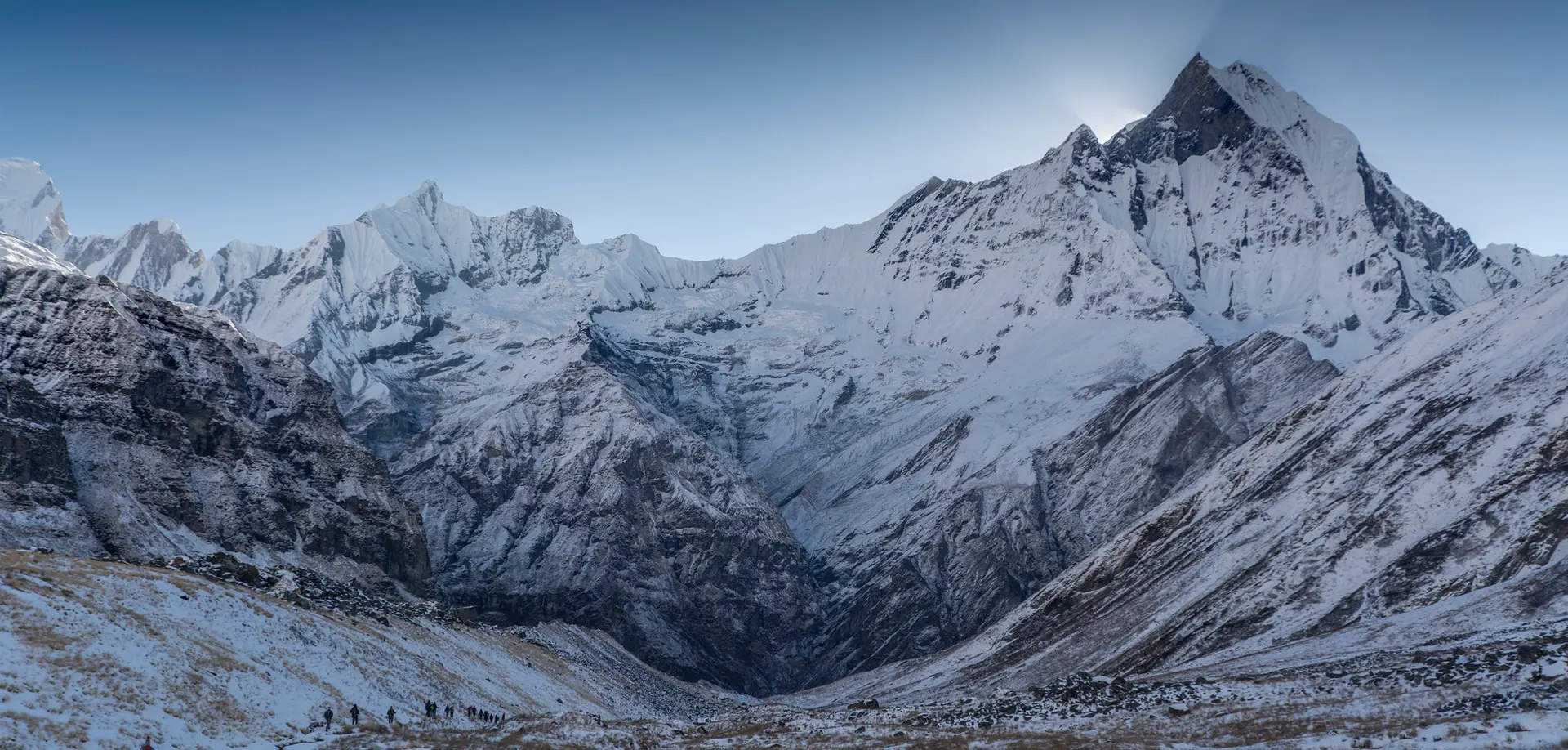
Annapurna Base Camp Trek Travel Guide

Spring Season: March to May

Spring is one of the best seasons in which to trek in Nepal. Spring is a time of gradually rising temperatures after the cold winter months so trekking is more comfortable on various levels.

Because of the beautiful weather and vibrant colors, the Annapurna Base Camp Trek in Spring is popular among trekkers. The forests along the route are alive with the flowers of the rhododendron, adding splashes of colour to the route. Daytime temperatures are typically 10-20°C at lower altitudes and cooler near Annapurna Base Camp at 4,130 m (13,550 ft), where they can fall below freezing in the morning and night.

The greatest thing about spring is it’s a mixture of a nice temperature and good mountain views. Clear skies are common in the mornings, providing clear views of the peaks like Annapurna I, Annapurna South, Hiunchuli and Machhapuchhre. This is also the time when wildlife is active. A range of different birds can be seen, and the greenery which emerges after the winter months is also welcome.

Annapurna Base Camp trek in spring is an ideal option for those who are visiting the trek for the first time, as the weather is mostly stable and the route is accessible. Tea shops are functioning, and the road service is generally good. Spring moves into late April and May, and temperatures continue to increase. Clouds increase in the afternoon, while mountain vistas are still impressive in most mornings.

Autumn Season: September to November

Many experienced guides and trekkers believe that autumn is the best season for trekking to Annapurna Base Camp. In the summer monsoon, the dust and haze are washed out of the atmosphere and the mountain views are very clear. The best time to trek to Annapurna Base Camp is during the Autumn season as the weather is fairly stable. Conditions can be quite good, and the scenery is superb along the way.

Fall weather is ideal for walking. The lower parts of the trail are cool in the day, and the higher parts are cool and manageable. October is followed by a gradual drop in temperatures, with November being colder above 3000m (9843ft).

Mountain views are usually reliable in the fall, which may be another reason that some people prefer to travel in this season. Clear skies are more likely to occur in the majority of the season. The atmospheric conditions and weather stability can make sunrise and sunset photography an especially rewarding experience.

One of the other highlights of the fall season is the festival season in Nepal. This is the time of the year when there are usually large events, and trekkers can enjoy local traditions and other cultural activities in the mountain villages. In the Autumn season, another popular trek in Nepal is the Annapurna Base Camp Trek, which also has dry trails to enjoy. Once the monsoon period is over, green landscapes are present, and the threat of heavy rainfall is greatly reduced.

The trekking season in the Annapurna area is the busiest in the fall due to these benefits. This tea house can be full and popular during October. It is thus recommended to make advance plans.
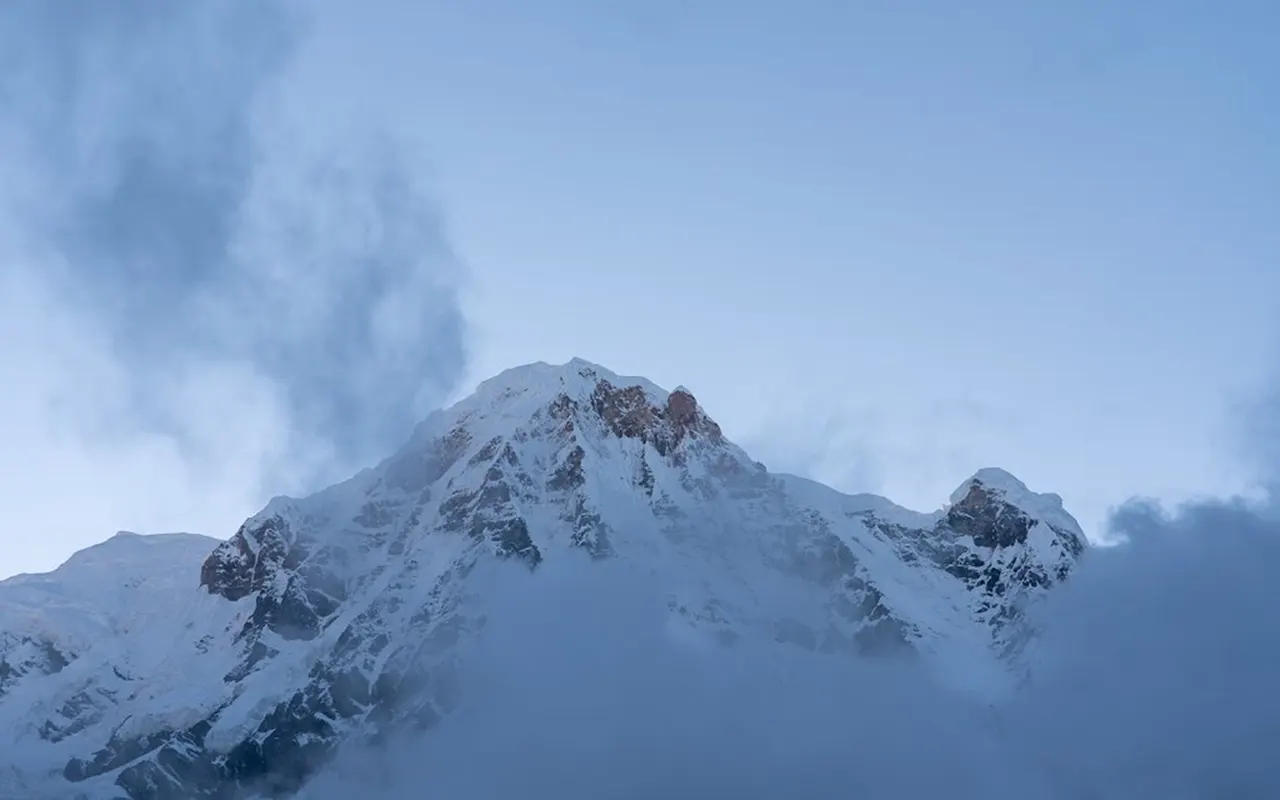
Annapurna Base Camp Trek Seasonal Guide

Winter Season: December to February

Annapurna region gets fewer tourists and colder weather during the winter season. This season can be very rewarding for the trekkers who do not dread the crowds and desire to experience the solitude of the mountains. It is fairly cool during the day, but colder at higher altitudes. During the night, it can get very cold near Annapurna Base Camp (4130 m /13550 ft).

Higher parts of the trek, such as around Deurali, Machhapuchhre Base Camp and Annapurna Base Camp, are covered with snow in certain seasons. Temporary disruption of trekking schedules may be caused by heavy snow, but many treks do run during the winter season when conditions are relatively stable.

The biggest benefit of winter is the smaller number of trekkers. Tea houses are quieter, trails less busy, and the mountain setting may seem more tranquil. There are also many days of good visibility in the winter. Depending on the temperature, there can be very clear skies and great sightings of the Annapurna range.

But it is the duty of the trekkers to make careful preparation. Warm clothing, quality sleeping bag  and good layering systems become necessary. Morning departures are possible when icy trails are in shaded areas. Winter may not be a prime time for Annapurna Base Camp trekking for novice trekkers, but it is a great time for those with experience.

Monsoon Season: June to August

Monsoon is the time when the heaviest rainfall occurs in a lot of Nepal. The sight and conditions of the trails are often disturbed by frequent rain showers in the Annapurna region. This season is avoided by many trekkers as the trails become muddy and the mountain views are often not visible. During periods of heavy rainfall, leeches can also be found in forested areas.

Though these are the difficulties, there are some benefits to monsoon trekking. It becomes very green and flourishing, with vigorous waterfalls running down hills and valleys. It is still relatively warm, with temperatures mostly high at lower elevations. Tea houses are still running in many places, but with fewer trekkers visiting at this time.

Rainfall doesn’t necessarily happen all day. The sky can be clear in the morning, which then gets filled in with clouds later in the afternoon. Those planning on traveling during the monsoon season should pack the essentials such as waterproof gear, backpack covers and quick-drying clothing to be ready for wet conditions. Flexible, as there may be weather-related delays.

Although the monsoon is not a widely considered “Best Time” to trek to Annapurna Base Camp, it can be attractive to those who prefer solitude and greener areas.
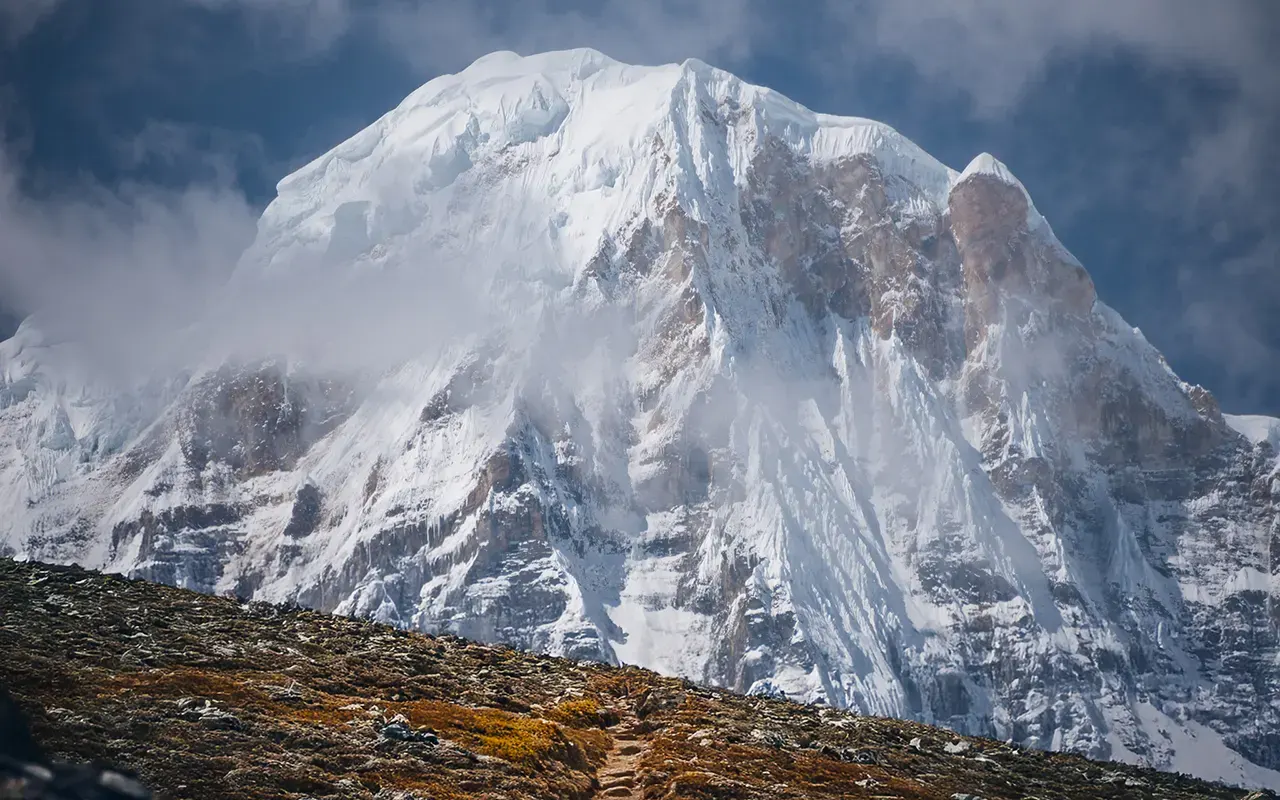
Annapurna Base Camp Trek Best Season

Comparing the Four Seasons

The different seasons offer different kinds of trekking. Spring is a blend of pleasant weather, vibrant forests, and the spring-blooming rhododendrons. Fall offers outstanding visibility and weather conditions and is well enjoyed by trekkers.

Winter provides quiet trails and snow, but needs to be prepared for the cold conditions. Expect lush landscapes and fewer visitors in monsoon, but be prepared for limited visibility and potentially trekking difficulties due to heavy rains.

Spring and autumn are still generally the best seasons to visit, as the weather is nice, scenery is abundant, there’s plenty of access, and it’s safe.

Temperature and Weather at Higher Elevations

As one ascends, the weather becomes more and more of a factor. The higher (above 3,000 m or 9,843 ft) areas have cooler temperatures year-round. Even at Base Camp of Machhapuchhre (approx. 3,700 m/12,139 ft), there can be a significant drop in temperature after sunset even in summer. It’s even colder at Annapurna Base Camp (4,130m /13,550 ft).

Spring and autumn are the most pleasant seasons for the temperature balance between day and night. More insulation and suitable cold weather clothing are needed in the winter. With the onset of monsoon comes warm weather, and an increased risk of rain and humidity.

Weather in the mountains is unpredictable and changes rapidly; always be prepared for changing weather and layers accordingly, in any season.

Crowds and Trail Atmosphere

The number of people in the group may affect the enjoyment of the trek. Tea Houses are very vibrant during fall and spring, when lots of trekkers visit the area. There are lots of social contacts and a lot of trekking infrastructure in operation.

The winter season is quieter as there are not as many hikers on the track. Many travellers enjoy the relaxed experience and reduced hassle of staying in a holiday rental. Monsoon has the least amount of people around it, making it the loneliest. For some travellers, though, the benefit may be outweighed by the weather. Best Time for Annapurna Base Camp Trek should also be dependent on individual preferences for busy times, in addition to the weather.

Which Season Is Best for First-Time Trekkers?

Spring and autumn are typically the best times for beginners. Favorable weather, trail conditions, and temperature make many of the high-altitude trekking challenges less of an issue.

The Annapurna Base Camp Trek in Spring is appealing to those who are looking for a colorful landscape and moderate temperature during the trek. Able to see reasonably well and enjoy a vibrant, welcoming trail environment.

The Annapurna Base Camp Trek in Autumn is also the best choice for first-time trekkers due to its good weather conditions and very good views of the mountains. Fall is the season when many guides say that you can find the best clear skies. Both seasons are perfect for gaining confidence in Himalayan trekking.
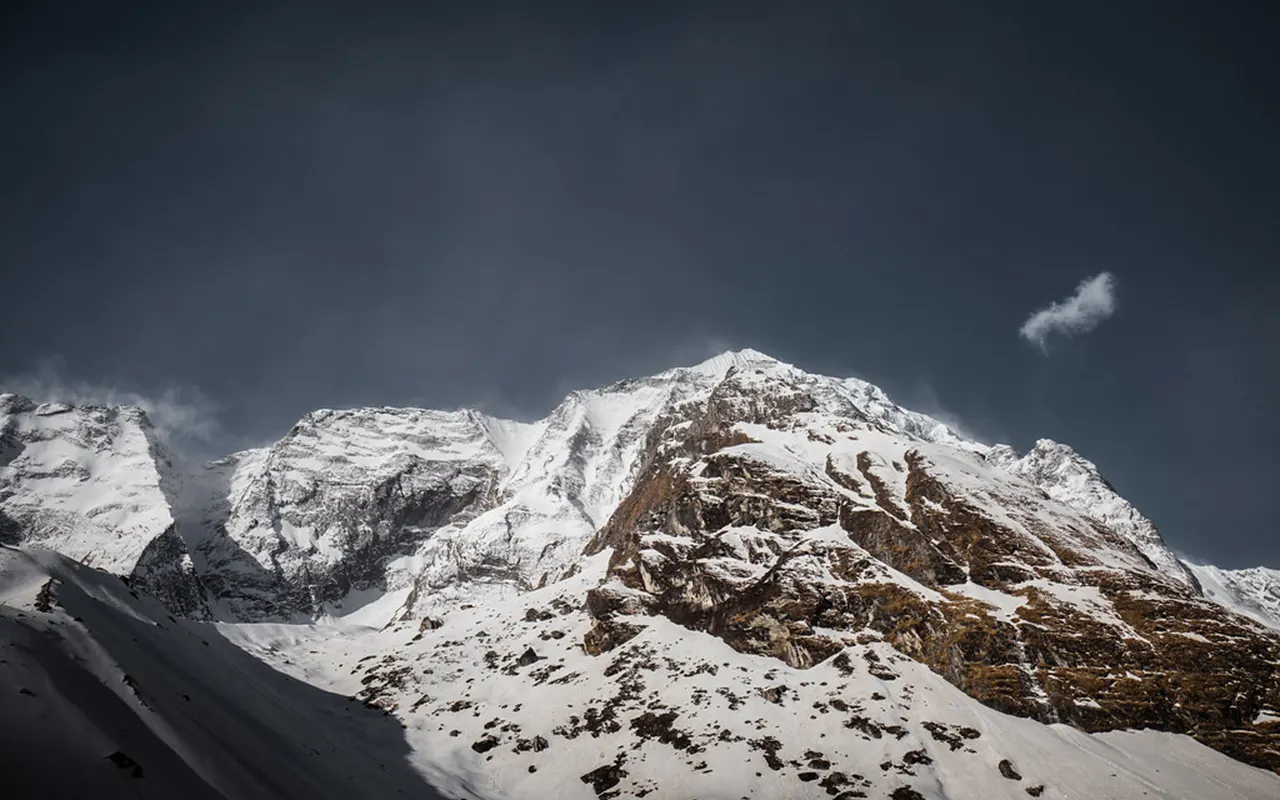
Annapurna Base Camp Trek

Final Thoughts

The best time for Annapurna Base Camp Trek is ultimately based on preferences. Spring is a popular season for travelers who are interested in seeing the flowers and enjoying the warm weather. Autumn is a popular time for those seeking the least cloudy mountain weather and the best visibility. The trails are quiet and the snowy scenery is a bonus in winter and lush with land and solitude in the monsoons.

Spring and autumn are the most predictable seasons for most trekkers. They offer great visibility, pleasant weather, easy hiking trails and stunning views of the Himalayas. Regardless of the season picked, careful planning and realistic expectations will help to make the trip safe and enjoyable.

It’s easy to see that Annapurna Base Camp is available to experience at any time of the year, enjoying the beautiful colors of spring, the clear skies of autumn, the tranquility of winter or the green forests of the monsoon season.
Everest Base Camp Trek in October: Weather, Crowds & Mountain Views

October is the month we recommend most consistently when someone asks us when to do the Everest Base Camp trek. It sits at the heart of the autumn trekking season in Nepal, and over many years of sending clients into the Khumbu, it is the month that delivers the most reliable combination of good weather, clear mountain views, and enjoyable trail conditions.

That said, October is not a perfect month without any trade-offs. It is also the busiest month on the trail, and that comes with its own set of things to plan around. In this guide, our team walks you through everything you need to know about doing the Everest Base Camp trek in October, from the weather patterns and temperature ranges to the crowd situation and what the mountain views are actually like at this time of year.

We want to give you an honest picture so you can decide whether October is the right fit for your plans, and if it is, how to make the most of it.

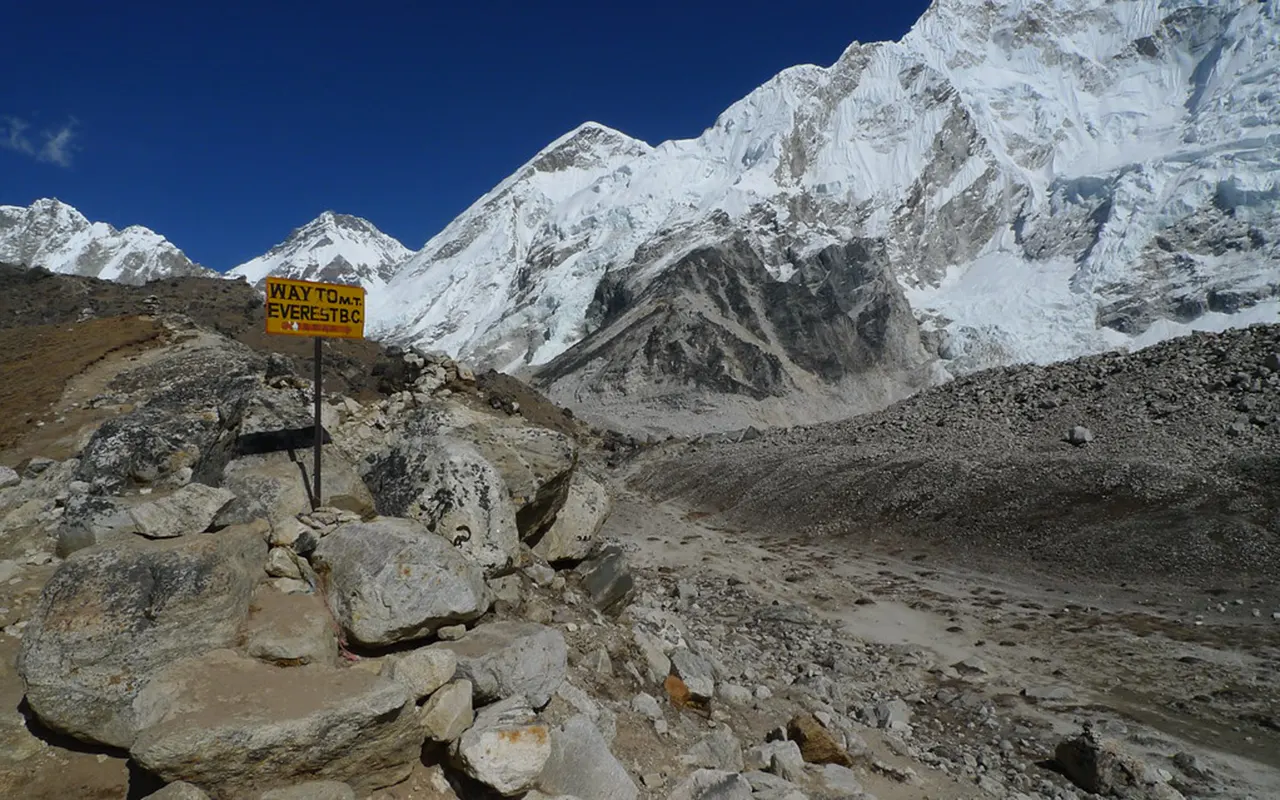
Everest Base Camp Trekking October

Why October Works So Well for Everest Base Camp

Nepal has two main trekking seasons: spring (March to May) and autumn (September to November). October falls right in the middle of the autumn window, which means you get the full benefit of what makes this season so good for high altitude trekking.

The monsoon rains that cover Nepal from June through August clear out by the end of September. By October, the sky has been washed clean and the air is clear and dry. The visibility at high elevation is at its best during this period, which means the mountain views are sharp and wide open for most of the day. For a trek whose whole purpose is to take you close to the highest peak on earth, this matters a great deal.

The temperature in October is also in a comfortable range for walking. Not too hot at lower elevations, not unbearably cold at higher ones, though you will absolutely need warm layers once you go above Namche Bazaar. October sits in that sweet spot where the conditions ask something of you without making the experience unnecessarily hard.

October Weather on the Everest Base Camp Trail

Weather is the factor trekkers ask about most when planning this trip. Here is what our team has observed over many October seasons in the Khumbu region.

Temperature at Different Elevations

  • Lukla (2,860 meters): Daytime temperatures are mild, typically between 10 and 15 degrees Celsius. Nights drop to around 2 to 5 degrees. Light layers work well during the day.
  • Namche Bazaar (3,440 meters): Days are comfortable at 8 to 12 degrees Celsius. Nights feel noticeably colder at around 0 to 3 degrees. A warm mid layer is needed after sunset.
  • Dingboche (4,410 meters): Daytime temperatures sit around 5 to 8 degrees Celsius. Nights drop below zero, often reaching minus 3 to minus 6 degrees. A good down jacket is essential from here upwards.
  • Lobuche and Gorak Shep (4,900 to 5,100 meters): Days are cold with temperatures around 2 to 5 degrees Celsius. Nights regularly fall to minus 8 to minus 12 degrees or lower. Proper cold weather gear is not optional at this elevation.
  • Everest Base Camp (5,364 meters) and Kala Patthar (5,644 meters): Daytime temperatures can drop below zero even on clear days. Wind makes it feel significantly colder. Early morning starts for Kala Patthar mean setting out in temperatures well below zero.

Rain and Snow in October

Rain in October is uncommon but not impossible. The tail end of the monsoon can sometimes extend into very early October, bringing a day or two of light rain at lower elevations. By mid October, rainfall is rare.

Light snowfall is possible above 4,500 meters from mid October onwards, particularly toward the end of the month. This usually melts by mid morning on clear days and does not block the trail in October. However, a fresh snowfall above Lobuche can make the path to Base Camp and Kala Patthar more slippery and cold, so having gaiters and trekking poles is useful.

In general, trekkers doing the Everest Base Camp route in October experience mostly dry and clear days. Wind at higher elevations can be a more significant factor than rain or snow during this month.

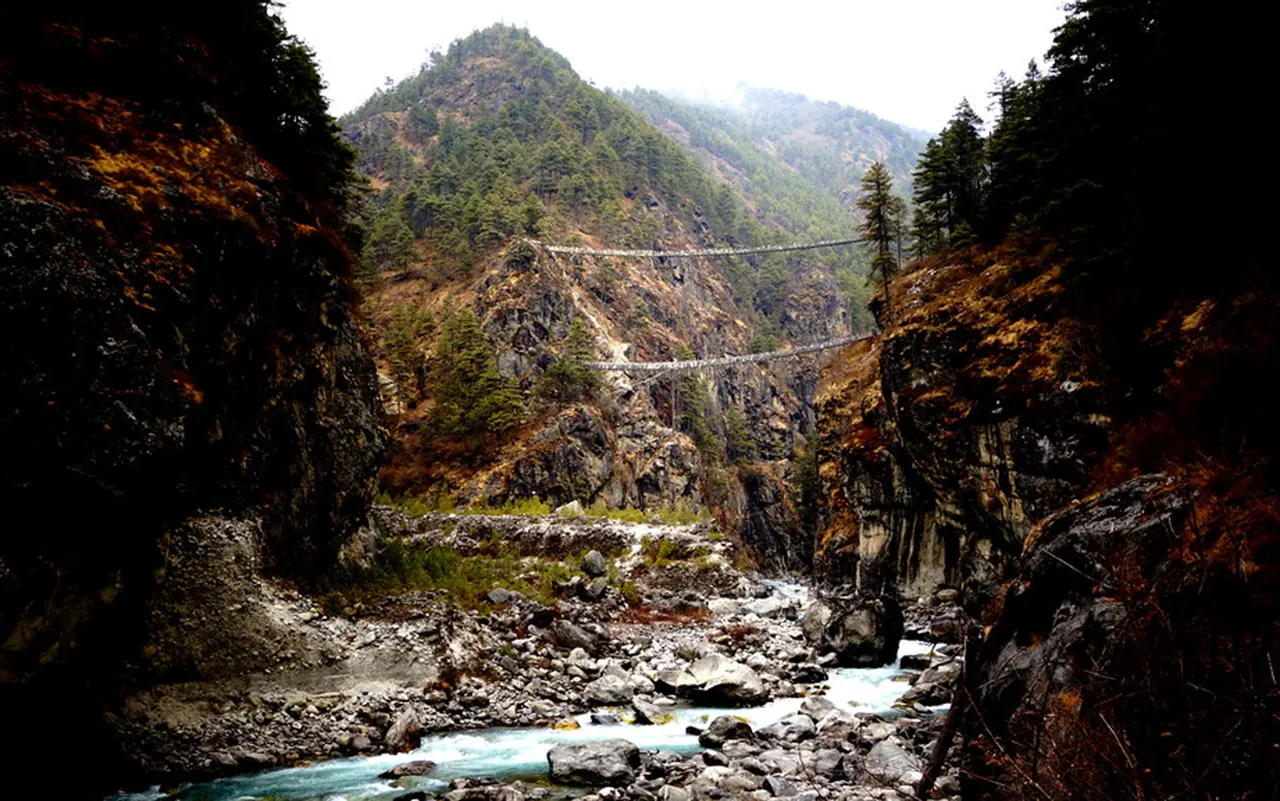
Everest Base Camp Scenic October

Mountain Views in October: What to Expect

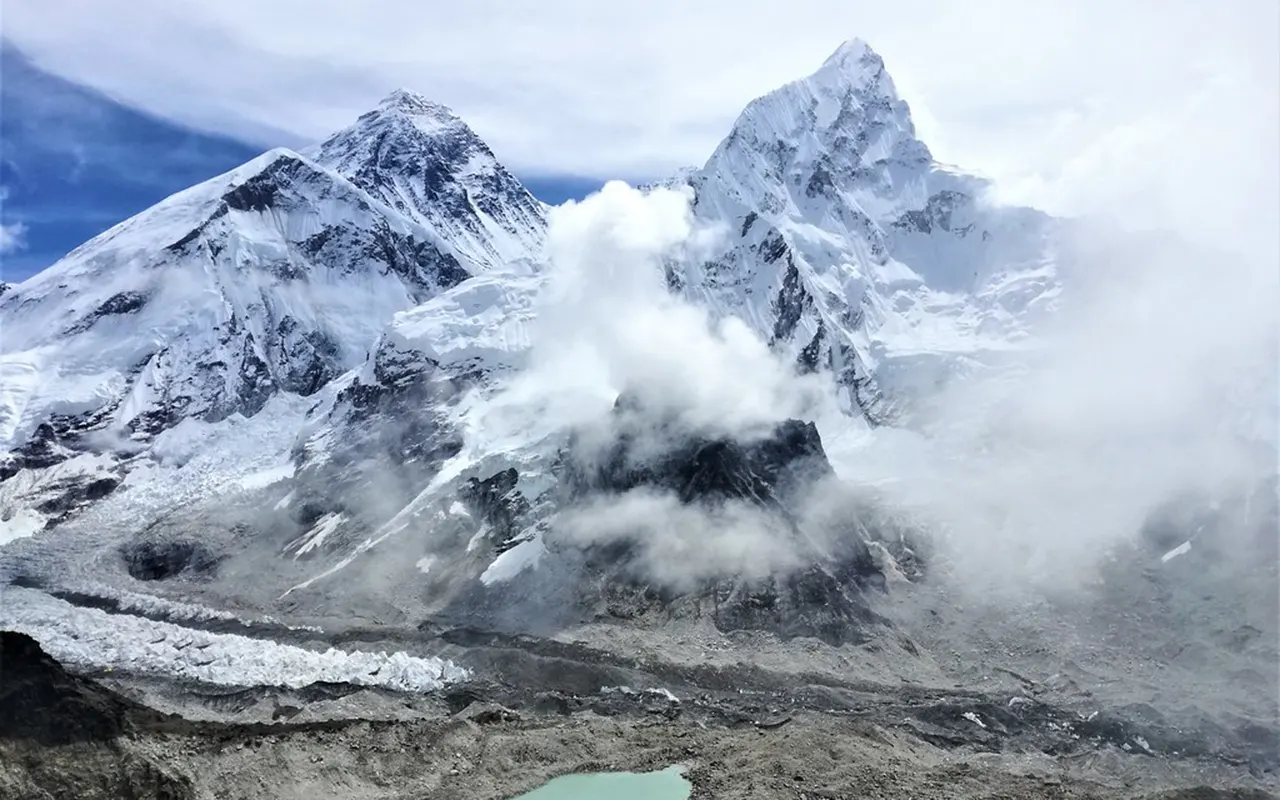
This is where October truly earns its reputation. The post-monsoon atmosphere means the air carries very little dust or moisture, and the result is that the high peaks appear with a clarity and sharpness that is hard to describe unless you have seen it.

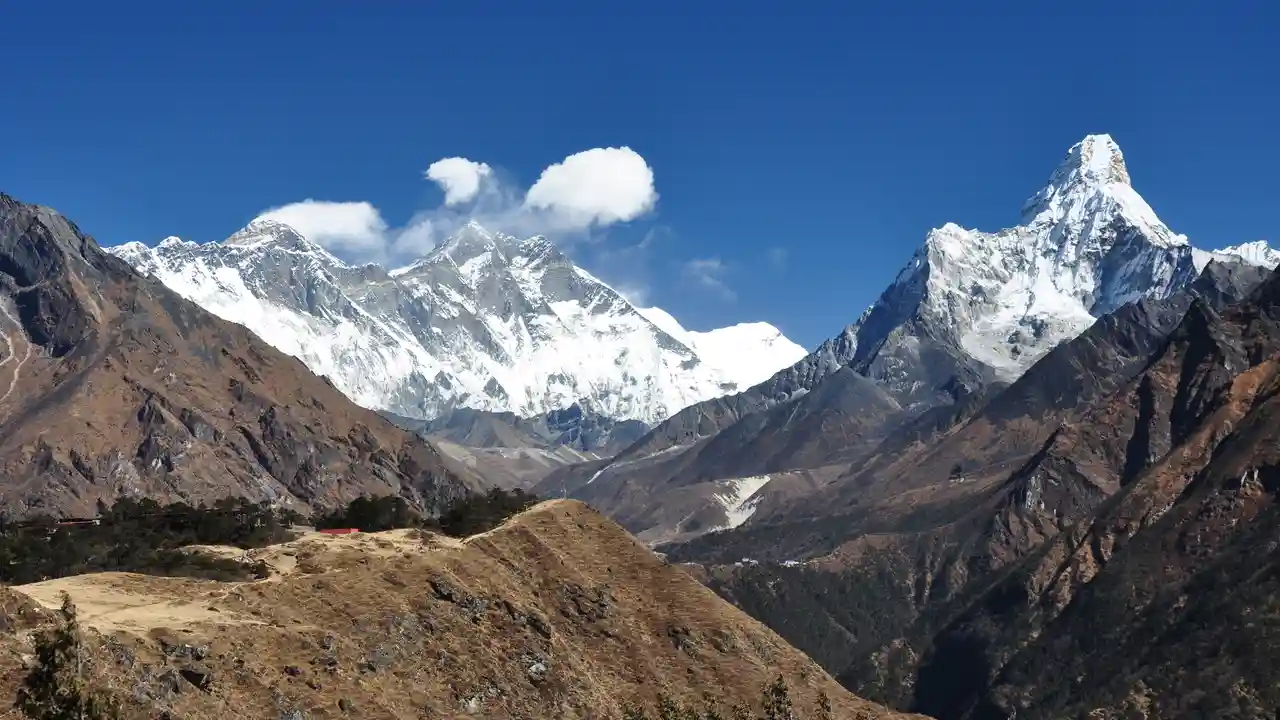
From the trail above Namche, you get your first clear views of Everest, Lhotse, and Ama Dablam. Many trekkers tell us that seeing Ama Dablam from the Tengboche area on a clear October morning is one of the most powerful moments of the whole trek. It rises almost perfectly above the surrounding ridgeline and in October the sky behind it is a deep, clean blue.

Key Viewpoints and What You Will See

  • Namche Bazaar area and Everest View Hotel hill: Your first clear sighting of Everest. The view from the ridge above Namche on acclimatization day is a good introduction to the scale of the peaks ahead.
  • Tengboche Monastery: Wide views of Ama Dablam, Kantega, and Thamserku. On a clear October morning this is genuinely one of the finest viewpoints on the entire route.
  • Dingboche: Excellent views of Island Peak, Lhotse, and the surrounding valley walls. The light in October is warm and golden in the late afternoon.
  • Kala Patthar (5,644 meters): The best ground level view of Everest available to trekkers without a climbing permit. In October, the sunrise from Kala Patthar is one of the most sought after experiences on the trail. The peak catches the early light while the valley below is still in shadow.
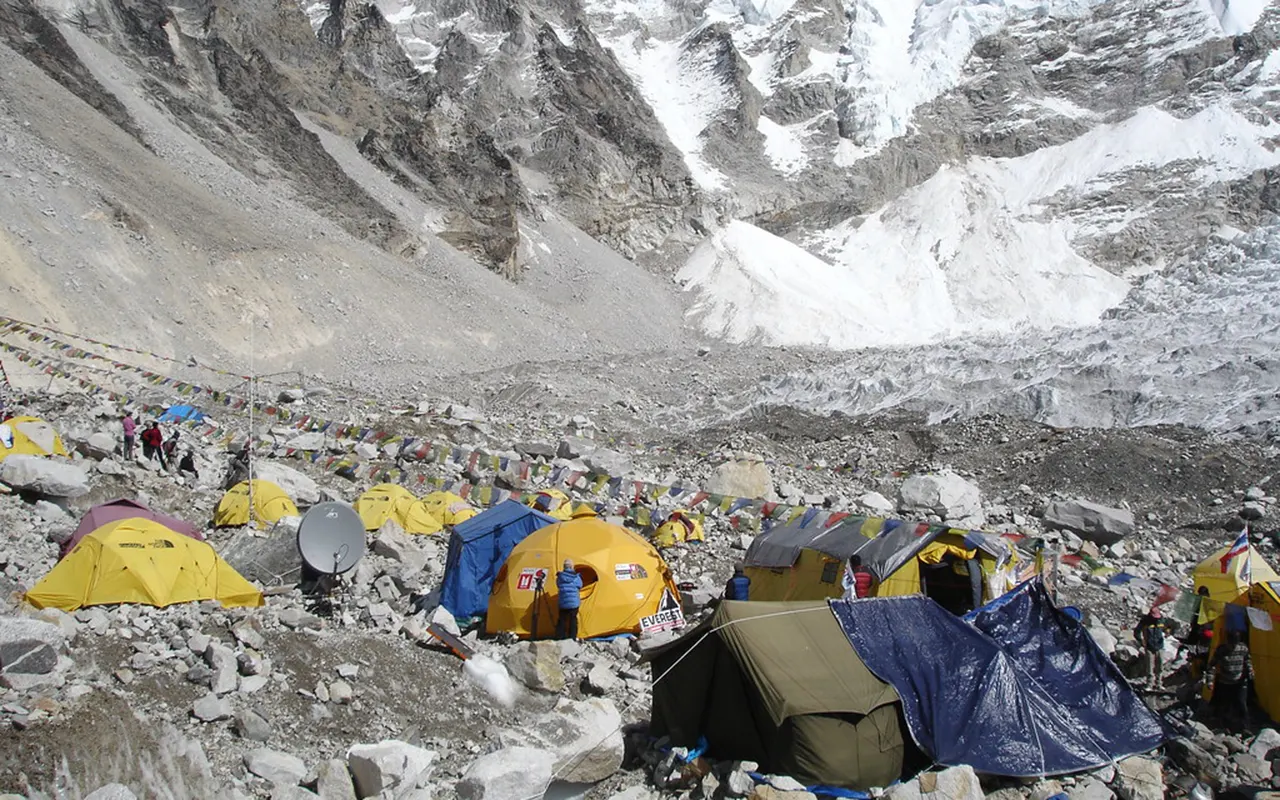
  • Everest Base Camp itself: You will not see the summit of Everest from Base Camp due to the surrounding terrain, but you look directly onto the Khumbu Icefall and the lower flanks of the mountain. In October, after the climbing season has ended, the camp is quiet and the scale of what surrounds you is deeply felt.

One practical note from our team: the clearest views are almost always in the morning. By mid afternoon, light cloud tends to build up around the higher peaks even on otherwise clear October days. We always advise trekkers to plan their key viewpoint visits for early morning whenever possible.

Crowds in October: The Honest Picture

We will not pretend that October is a quiet month on the Everest Base Camp trail. It is the most popular trekking month in Nepal, and the Khumbu region reflects that. If you are expecting a remote wilderness experience with empty paths and solitude at every teahouse, October is probably not the right time for that.

What October actually looks like on the trail is this: busy but manageable. The main path between Namche and Lobuche sees a steady flow of trekkers throughout the day. Popular lodges in Namche, Tengboche, Dingboche, and Lobuche fill up quickly, especially on weekends and around Nepali public holidays. Teahouses at Base Camp and Gorak Shep can be very full on peak nights.

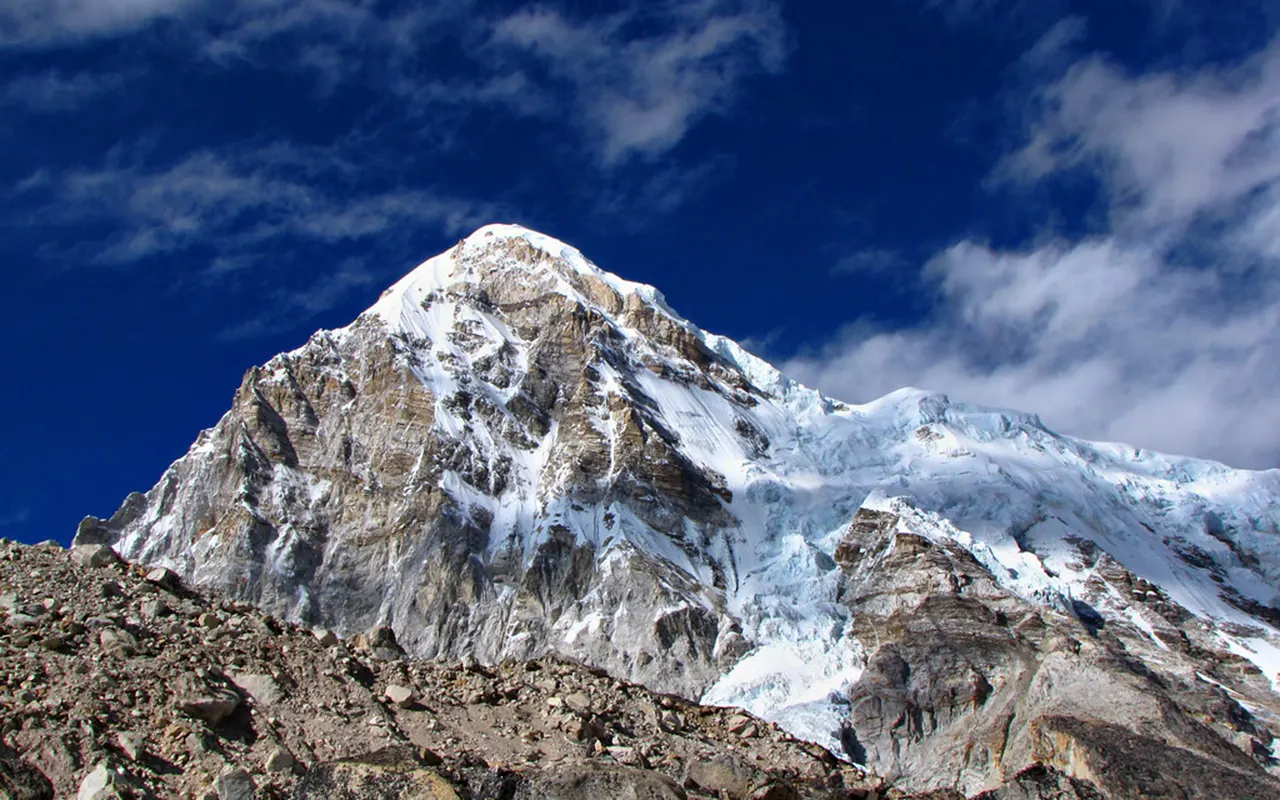
Everest Base Camp Fall Season Trek

How to Handle the October Crowds

  • Book your teahouses in advance. This is the single most important piece of planning advice for an October trek. Our team arranges all accommodation ahead of time for every client we send in this season. Do not rely on walking in and finding a room, particularly above Namche.
  • Start your trekking days early. Most groups leave teahouses between 7 and 9 in the morning. If you set off by 6:30 or 7, you often have the trail to yourself for the first hour or two.
  • Consider trekking in the third week of October rather than the first two weeks. The trail is slightly quieter after the initial surge of the season.
  • Take side trails where possible. The main Everest Base Camp route has well-known alternatives on certain sections, such as the high route via Mong La or the Cho La pass variation, which carry far fewer trekkers.
  • Be patient at viewpoints. Kala Patthar in particular can be crowded at sunrise in early October. Arriving a little earlier or planning for the second morning if your schedule allows can make a difference.

From our experience, most trekkers who go in October come back without any complaints about the crowds. The trail is wide enough in most places, the teahouse culture is sociable and welcoming, and meeting fellow trekkers from around the world adds something to the experience rather than taking away from it. It is a different kind of journey than a quiet November trek, but it has its own energy and warmth.

Festivals and Cultural Life in October

October often overlaps with some of Nepal’s most celebrated festivals, which adds a genuine cultural dimension to the trekking experience. Dashain, the biggest festival in Nepal, usually falls in October. Villages along the route and in Namche Bazaar take on a festive feel, with families gathering and traditional ceremonies taking place.

Tihar, Nepal’s festival of lights, sometimes falls in late October or early November. If your trek overlaps with Tihar, you may see oil lamps and marigold garlands decorating teahouses and doorways along the trail. It is a warm and welcoming time to be walking through Sherpa communities.

One practical note: during Dashain, some teahouse staff may take a few days away to celebrate with their families. This is rare on the main Everest Base Camp route but worth being aware of if you are planning a trek in the first two weeks of October. Our team always checks for this when preparing itineraries for this season.

What to Pack for an October Everest Base Camp Trek

October calls for layers. The range of temperatures you experience from Lukla at the start to Kala Patthar at the top is wide, and your pack needs to cover both ends.

  • Base layers (thermal top and bottom): Essential for cold mornings and evenings from Namche upwards. Merino wool or good quality synthetic materials both work well.
  • Mid layer (fleece or light down jacket): For walking during cooler parts of the day and as an extra layer at teahouses in the evening.
  • Outer down jacket: A warm, good quality down jacket is non-negotiable above Dingboche. You will use this every evening and morning from mid-route to the top.
  • Waterproof outer shell: Not used as often in October as in other seasons, but essential to have for wind protection at high elevation and the occasional shower at lower altitudes.
  • Trekking trousers and warm leggings: Convertible trousers work well for the lower sections. Add a warm inner layer for higher elevations.
  • Gloves and warm hat: Thin liner gloves and a warm outer pair cover most situations. A hat that covers your ears is important above 4,000 meters.
  • Sleeping bag rated to at least minus 10 Celsius: Teahouses provide blankets but they are not always enough above Lobuche. A good sleeping bag makes a real difference to sleep quality.
  • Sunscreen and sunglasses: The October sun at high altitude is strong. UV exposure increases significantly with elevation and the reflection off snow and rock adds to it.
  • Trekking poles: Especially useful on the descent and on icy morning paths above Lobuche later in October.

October Compared to Other Trekking Months

If you are weighing October against other times of year, here is how our team sees the comparison:

  • October vs April (peak spring): Both months offer excellent weather and clear views. April has the added color of rhododendron flowers at lower elevations and the energy of the climbing season. October has slightly cleaner post-monsoon air and a green, fresh landscape. Both are busy. It often comes down to which season fits your schedule.
  • October vs November: November is quieter and the views are still very good, but temperatures are noticeably colder, especially in the second half of the month. Teahouses at high elevation start to close toward the end of November. October is warmer and more active but busier. If you want fewer people and do not mind extra cold, November is worth considering.
  • October vs September: Late September can be a good option for trekkers who want autumn conditions with fewer crowds. The monsoon fully clears by mid September in the Khumbu, but the trail can still be muddy at lower elevations in early September. October is more reliably clear and dry throughout.

Everest Base Camp Trek In October

Is October the Right Month for You?

For most trekkers, yes. October offers the best overall package of good weather, clear mountain views, reliable trail conditions, and a well-functioning network of teahouses and services. If you are doing the Everest Base Camp trek for the first time and you have the flexibility to choose your month, October is where we would point you.

The crowds are real, but they are manageable with the right planning. Book your accommodation in advance, start your days early, and move at a pace that suits your body rather than the group around you. With those things in place, October on the Everest Base Camp trail is a genuinely rewarding experience.

Our team has seen hundreds of trekkers complete this journey in October over the years. The ones who prepare well, take acclimatization seriously, and approach the trek with patience almost always come back saying it was one of the best things they have ever done. That is the kind of outcome we work toward for every person we send into the Khumbu.

Planning the Everest Base Camp trek in October? Our team is happy to help you put together the right itinerary, sort your permits, and arrange your accommodation along the route.